You’ve just received a text with “WYFF” and you’re not sure what it means. Don’t worry—you’re not the only one scratching your head over this acronym. The internet is packed with abbreviations that pop up in DMs, comments, and group chats, and WYFF is one of those terms that can mean different things depending on who’s using it and where. Let’s break down everything you need to know about WYFF so you can text with confidence and understand what people are really saying.
WYFF Full Form Explained
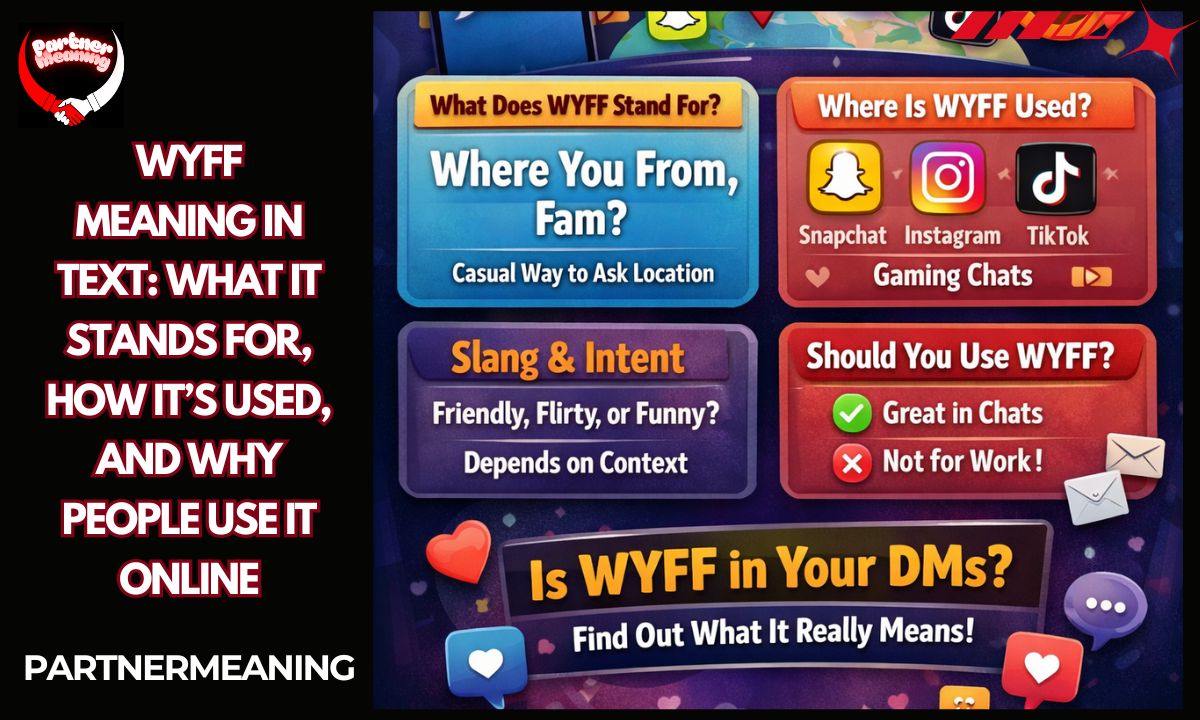
WYFF most commonly stands for “Where You From, Fam?” in casual texting. This is a friendly, informal way to ask someone about their location or background when you’re getting to know them online. The “fam” part makes it sound warm and approachable, like you’re talking to a friend.
However, WYFF can have other meanings too. In some contexts, it means “Would You Flash For Free”—a provocative phrase used in flirty or adult-oriented conversations. There’s also “We’re Your Friend Four,” though this is extremely rare and not widely recognized.
The meaning you should assume depends entirely on the context of your conversation. If someone asks WYFF when you first start chatting, they’re probably asking where you’re from. If the conversation has a flirty or suggestive tone, it might mean something else entirely.
What WYFF Means Online
Online, WYFF usually asks about your location or background. People use it to break the ice when meeting new friends on social media, gaming platforms, or dating apps. It’s quick, casual, and fits perfectly into the fast-paced world of digital communication.
The acronym saves time compared to typing out “Where are you from?” It also sounds more modern and relaxed, which is why younger generations prefer it. You’ll see WYFF in Instagram DMs, Snapchat messages, TikTok comments, and Discord servers.
WYFF works well because it’s direct without being too formal. It shows curiosity about someone without making things awkward. When someone asks WYFF, they’re usually genuinely interested in learning more about you and starting a real conversation.
WYFF Slang Definition
As slang, WYFF is an informal acronym that belongs to texting culture. It’s not something you’d use in professional emails or academic writing. Instead, it thrives in casual, friendly environments where people communicate quickly and naturally.
Slang terms like WYFF evolve from the need for speed and simplicity. Why type out a full question when four letters can do the job? This efficiency is what makes WYFF popular among teens, young adults, and anyone who spends time chatting online.
The slang category means WYFF changes based on context, tone, and relationship. What might be friendly in one chat could feel different in another. Understanding this flexibility helps you use WYFF appropriately and respond correctly when you see it.
Origins of WYFF Term
WYFF’s origins trace back to urban slang and online chat culture where short phrases became essential. The use of “fam” (short for family) grew popular in hip-hop culture and urban communities before spreading to mainstream internet language. Adding “fam” to questions made them feel more personal and friendly.
The acronym likely emerged on platforms like Twitter, Instagram, and Snapchat where character limits and quick replies matter. As texting became the primary way people communicate, abbreviations like WYFF naturally developed to keep conversations flowing smoothly.
Gaming communities also contributed to WYFF’s spread. When players meet teammates online, asking “WYFF?” helps build connections quickly. The term traveled across platforms, from gaming chats to dating apps, becoming a universal way to ask about someone’s background.
WYFF Usage In Texting
In texting, WYFF appears when someone wants to know your location or origin. You might see it after matching with someone on a dating app, joining a new Discord server, or starting a conversation with a follower on social media. It’s an icebreaker that keeps things light and friendly.
People text WYFF because it saves time and sounds casual. Instead of writing “Hey, I was wondering where you’re from,” you can just type “WYFF?” and get the same information. The brevity matches how people actually talk in real life—quick, direct, and to the point.
WYFF works best in one-on-one conversations or small group chats. It’s not typically used in formal group announcements or public posts. When someone sends you WYFF, they’re usually addressing you specifically and expecting a personal response.
WYFF Meaning On Snapchat
On Snapchat, WYFF keeps the same meaning—”Where You From, Fam?” People use it when they add new friends or start conversations after viewing someone’s story. Snapchat’s casual, photo-based environment makes WYFF a perfect fit for quick, friendly exchanges.
Users might send WYFF as a text snap or as part of a chat to get to know someone better. Since Snapchat emphasizes real-time, temporary communication, WYFF matches the platform’s fast-paced vibe. It’s a way to show interest without being too serious or formal.
Replying to WYFF on Snapchat is simple—just share your city, state, or country. You can keep it brief or add details depending on how comfortable you feel. Many people follow up with their own question, keeping the conversation balanced and engaging.
WYFF Meaning On Instagram
Instagram users drop WYFF in DMs when they want to connect with someone new. Whether you’re chatting with a follower, someone who commented on your post, or a mutual friend, WYFF helps start meaningful conversations beyond just liking photos.
The platform’s visual nature means people often use WYFF after seeing your photos or stories and wanting to know more about your life. It’s a natural next step from casual interaction to deeper connection, showing genuine interest in your background.
WYFF on Instagram can sometimes carry flirty undertones, especially if the person uses certain emojis or has been liking your posts regularly. Pay attention to the overall tone of the conversation to understand their intentions clearly.
WYFF In Dating Apps
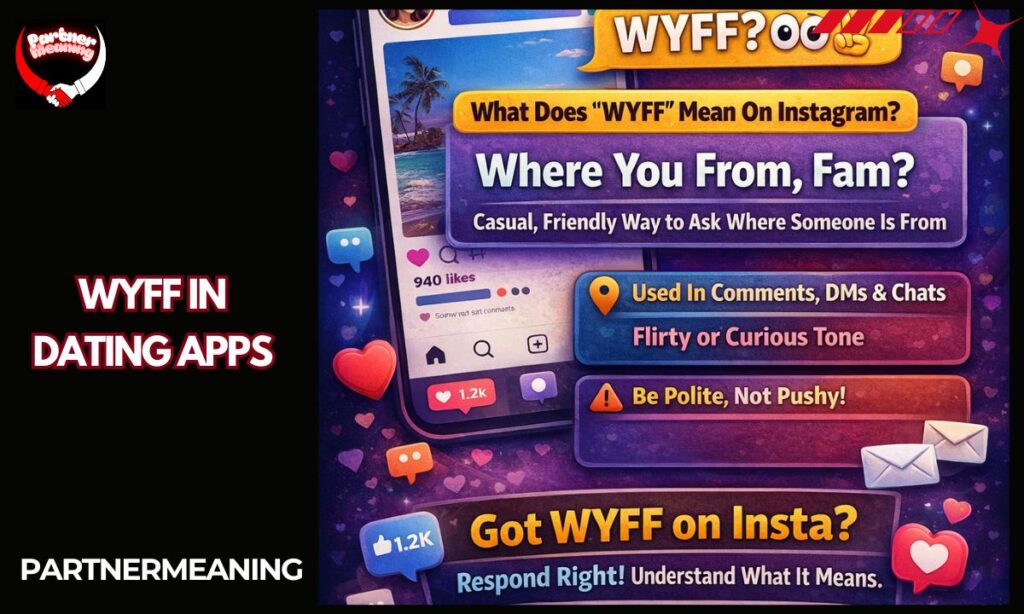
Dating apps like Tinder, Bumble, and Hinge see WYFF used frequently as an icebreaker. After matching with someone, asking WYFF is a smooth way to start learning about them. It’s more specific than “WYD” (What You Doing) and shows you’re interested in their story.
On dating platforms, WYFF can help gauge compatibility early on. If you’re both from the same city or have roots in similar places, it creates instant common ground. Even if you’re from different areas, it opens the door to interesting conversations about travel, culture, and experiences.
WYFF works better than generic openers like “Hey” or “What’s up.” It shows effort and genuine curiosity, which increases your chances of getting a meaningful response. Just make sure to follow up with more questions to keep the momentum going.
WYFF Tone And Intent
The tone of WYFF is generally friendly and casual, designed to make someone feel comfortable sharing personal information. When someone asks WYFF, they’re typically showing interest in you as a person, not trying to invade your privacy or be nosy.
However, intent matters significantly. If WYFF comes with flirty emojis like 😏, 🔥, or ❤️, the person might be trying to create a romantic connection. Without those signals, it’s usually just friendly curiosity aimed at getting to know you better.
WYFF should never feel pressuring or demanding. If someone asks repeatedly or gets pushy about knowing your exact location, that’s a red flag. Healthy use of WYFF respects boundaries and accepts whatever level of detail you’re comfortable sharing.
Different Contexts Of WYFF
WYFF appears in multiple contexts beyond just asking location. In some online communities, particularly adult-oriented spaces, WYFF might mean “Would You Flash For Free”—a provocative request that’s completely different from the friendly version. Always consider where you’re seeing WYFF before responding.
In gaming, WYFF helps build team connections. When you’re playing with new people, knowing where teammates are from can create bonds and make communication easier. It’s a quick way to find common ground and start building gaming friendships.
Meme culture sometimes uses WYFF ironically or out of context for humor. You might see someone comment “WYFF?” on a funny animal video as a joke, playing with how absurd the question sounds in that situation. This humorous use shows how flexible internet slang can be.
Is WYFF Flirty Or Casual
WYFF can be both flirty and casual depending on execution. By itself, it’s a neutral question asking about your background. Add some suggestive emojis or use it in an already romantic conversation, and it becomes flirty. The context determines everything.
Casual WYFF looks like: “Hey! Nice meeting you. WYFF?” This is straightforward, friendly, and appropriate for any new connection. There’s no hidden meaning—just genuine interest in getting to know you.
Flirty WYFF looks like: “You seem interesting 😏 WYFF?” The emoji and overall tone suggest romantic interest. The person is trying to build attraction while learning about you. How you respond sets the tone for where the conversation goes next.
WYFF Professional Use Risks
Using WYFF in professional settings is highly inappropriate and risky. Business emails, work chats, LinkedIn messages, and formal communication require proper grammar and professional language. WYFF belongs exclusively in personal, casual conversations.
Sending WYFF to a colleague or client could damage your professional reputation. It signals that you don’t understand workplace communication standards or can’t distinguish between personal and professional contexts. Always use complete sentences in work environments.
Job seekers should especially avoid WYFF when networking or reaching out to potential employers. Even if you’re young and the company has a casual culture, leading with slang creates a bad first impression. Save WYFF for friends, not professional contacts.
Common WYFF Misunderstandings
Many people mistake WYFF for other acronyms like WYD (What You Doing) or WYA (Where You At). These are similar but ask different things. WYFF specifically wants to know your origin or background, not your current activity or exact location right now.
Another misunderstanding is thinking WYFF is always innocent. While “Where You From, Fam?” is the most common meaning, the provocative “Would You Flash For Free” version exists too. Not knowing this alternate meaning can lead to awkward situations if you misread someone’s intent.
Some people think WYFF is rude or invasive, but it’s generally not meant that way. Unless someone is being pushy or asking for your exact address, WYFF is just friendly curiosity. You can always share as much or as little as you’re comfortable with.
Similar Slang To WYFF
Several acronyms share WYFF’s casual, question-asking vibe:
WYD – What You Doing? Asks about current activity, often used to start conversations or check in with someone.
WYA – Where You At? Wants to know your current location right now, more immediate than WYFF’s general question.
HRU – How Are You? A classic greeting that’s more universal but less specific than WYFF.
HMU – Hit Me Up. An invitation to contact someone, often used when you want to hang out or chat later.
WYF – Where You From. The shortened version of WYFF without the friendly “fam” addition, slightly more direct.
WBU – What About You? Used to return a question, keeping conversations balanced and reciprocal.
These alternatives help you mix up your texting style while maintaining the same casual, friendly energy that WYFF brings to conversations.
Should You Use WYFF
Use WYFF when you’re in casual, friendly conversations with peers, new friends, or people you meet online. It works great for breaking the ice on social media, gaming platforms, and dating apps where informal language is expected and welcomed.
Don’t use WYFF in professional settings, formal communications, or with people who prefer proper grammar. Also avoid it with older relatives or authority figures who might not understand internet slang or could find it disrespectful.
Consider your audience before using WYFF. If you’re talking to someone your age in a relaxed setting, go for it. If you’re unsure whether they’ll understand or appreciate slang, stick with “Where are you from?” instead. Reading the room matters.
Frequently Asked Questions
What does WYFF mean in text?
WYFF most commonly means “Where You From, Fam?” in casual online conversations, though it can carry different meanings depending on context.
Does WYFF have multiple meanings?
Yes. While the most popular usage is location-based slang, WYFF has also appeared with alternative or niche meanings in specific communities.
Is WYFF considered slang?
Yes. WYFF is informal internet slang and is mainly used in texting, social media, and online chats.
Is WYFF offensive or inappropriate?
By default, no. However, meaning and tone depend heavily on context, platform, and the relationship between users.
Can WYFF be used professionally?
No. WYFF is not suitable for professional, academic, or workplace communication.
Where is WYFF used most?
WYFF is most commonly seen on Snapchat, Instagram DMs, TikTok comments, gaming chats, and casual messaging apps.
Conclusion
WYFF has become a staple in modern texting culture, primarily meaning “Where You From, Fam?” and serving as a friendly icebreaker across social platforms. Understanding this acronym helps you navigate casual conversations confidently, whether you’re meeting new friends online, chatting on dating apps, or connecting with gaming teammates.
While WYFF keeps communication quick and casual, always remember to use it appropriately—save it for informal settings and avoid professional contexts. Now that you know what WYFF means and how to use it, you’re ready to text like a pro and respond naturally when someone asks you this common question.

Hayyat is a passionate writer and researcher who loves exploring the beauty and depth of Arabic language and culture. With a special interest in Arabic names, Qur’anic words, and Islamic heritage, Hayyat aims to share meaningful insights with readers who appreciate names with purpose and history.