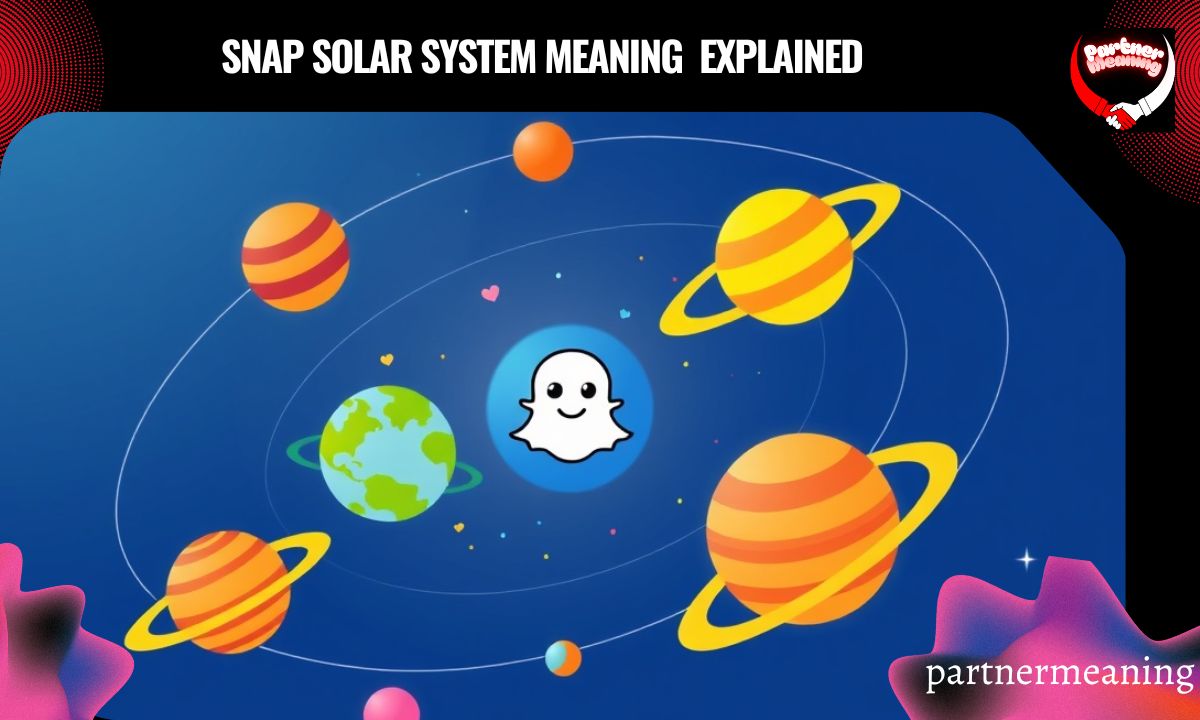
Snap Solar System is one of Snapchat’s most eye-catching features. It turns your everyday chats and snaps into a visual story. Instead of lists, you see planets that reflect how close your friendships really are.
This guide breaks everything down in a simple way. You will understand what the planets mean, how rankings work, and why this feature matters. By the end, the Snap Solar System will feel clear, fun, and easy to use.
What Is the Snap Solar System Feature
Snap Solar System is a premium Snapchat+ feature that visually represents your closest friendships. Instead of showing names in a list, Snapchat places your top friends as planets. Your Bitmoji becomes the Sun, placed at the center of this system.
Each planet reflects how often you interact with a specific friend. Snaps, chats, streaks, and story replies all influence placement. The closer a planet is to the Sun, the stronger the engagement. This makes friendships easy to understand at a glance.
The feature mirrors the real solar system order. Mercury is closest, Neptune is farthest. Snapchat designed it to feel playful rather than analytical. It turns data into visuals without using numbers.
Snap Solar System is optional and must be enabled manually. This gives users control and avoids pressure. It is meant to be fun, not a measure of emotional value.
Who Can Use Snap Solar System
Snap Solar System is only available to Snapchat+ subscribers. Free users cannot access or view planet rankings. This exclusivity makes it part of Snapchat’s premium experience.
Both you and your friend must have Snapchat+ to fully see planets. If only one person subscribes or enables the feature, planets may not appear. This keeps the feature private and intentional.
The feature is turned off by default. New subscribers must manually activate it in settings. Snapchat does this to reduce social comparison and stress. Once enabled, it works quietly in the background. No alerts or notifications are sent. Users choose when and how often to check it.
Why Snapchat Introduced the Solar System Concept
Snapchat introduced planets to make friendship data more engaging. Lists can feel boring and competitive. Visuals feel lighter and more expressive.
The solar system concept fits Snapchat’s creative style. It blends emojis, Bitmojis, and motion into something intuitive. Users instantly understand closeness through distance. It also encourages healthy interaction. There are no scores or numbers. Friends move naturally based on real behavior, not forced activity.
Most importantly, it is optional. Snapchat allows users to opt out anytime. This balance between fun and control is why the feature works.
How Snap Solar System Works
Snapchat tracks how often you interact with friends. It then ranks your top eight contacts. Each rank is assigned a planet based on the real solar system order.
The system updates dynamically. Increased interaction moves a friend inward. Reduced activity pushes them outward. Changes happen quietly.
You can view your position in a friend’s system by tapping their badge. This shows how close you are from their perspective. It keeps insight personal and private.
Interaction Signals Snapchat Uses
Snapchat uses multiple engagement signals to calculate rankings. These signals reflect real interaction patterns rather than passive activity. Snaps sent and received carry the most weight. Chats support depth. Streaks show consistency. Story replies indicate active interest.
Snaps: Direct photo and video snaps strongly influence rankings. Daily snaps often lead to inner planets.
Chats: Text conversations help maintain closeness. Frequent chats strengthen position over time.
Streaks: Long streaks signal ongoing engagement. They help keep friends near the Sun.
Story Replies: Replying to stories adds interaction weight. It shows active attention.
Snapchat does not reveal exact formulas. Rankings reflect overall patterns, not single actions.
Snap Solar System Planet Order and Meaning
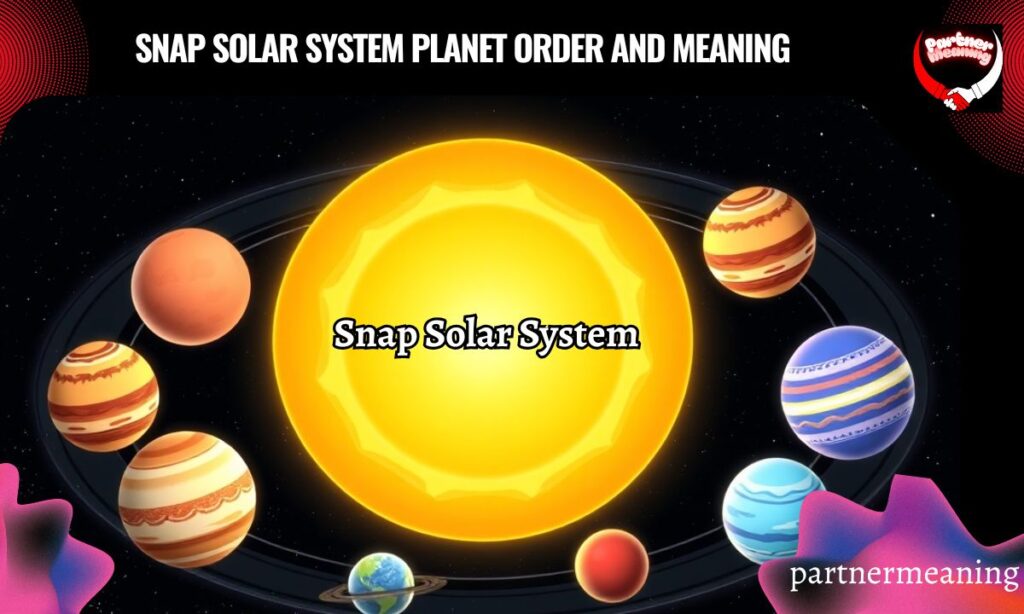
The Snap Solar System includes eight planets. Each planet represents one of your top eight friends. The order mirrors the real solar system.
Mercury is the closest and Neptune is the farthest. Visual cues like hearts and colors indicate engagement strength. Inner planets look more lively.
These planets update automatically. A friend can move up or down based on interaction changes. There are no alerts for movement. Below is a clear explanation of each planet and what it represents.
Mercury – #1 Best Friend
Mercury represents your closest Snapchat connection. This friend receives the most snaps and chats from you. Daily interaction is common. Strong streaks often exist. This is usually your best friend. Mercury appears closest to the Sun. Hearts surround the planet, showing high engagement. This position changes only with consistent behavior shifts.
Venus – #2 Best Friend
Venus represents your second closest friend. Interaction is frequent but slightly less than Mercury. You snap and chat multiple times a week. Engagement feels warm and steady. Venus still belongs to your inner circle. It reflects strong mutual attention. This position often alternates with Mercury over time.
Earth – #3 Best Friend
Earth symbolizes balance and reliability. Interaction is consistent but not constant. You reply to each other regularly. Snaps and chats feel natural and familiar. Earth often represents long-term friends. The connection feels stable. It sits comfortably in the inner orbit.
Mars – #4 Best Friend
Mars reflects energy and activity. You send snaps often but chat less. Interaction may feel spontaneous. Streaks are common but conversations are shorter. Mars shows active engagement without deep daily conversation. It marks the transition from inner to mid-circle friends.
Jupiter – #5 Best Friend
Jupiter represents moderate interaction. Snaps are exchanged but not daily. You may appear in group chats or react to stories occasionally. Engagement is lighter. This position often includes social friends. The connection is friendly but casual. Jupiter sits firmly in the mid-tier orbit.
Saturn – #6 Best Friend
Saturn reflects casual and spaced-out interaction. Communication happens but less frequently. Snaps or chats may occur weekly. Engagement feels relaxed. Saturn often includes friends you like but do not talk to often. The ringed planet shows distance without disconnect.
Uranus – #7 Best Friend
Uranus represents low interaction. Communication is inconsistent. You may snap occasionally or reply after long gaps. Engagement is minimal. This planet often includes newer or fading connections. Uranus sits near the edge of your core circle.
Neptune – #8 Best Friend
Neptune is the farthest planet. Interaction is rare. Snaps and chats happen infrequently. The connection still exists quietly. Neptune completes your top eight. Friends beyond this are outside the system. This position changes easily with renewed interaction.
Snap Solar System Visual Indicators
Snap Solar System relies heavily on visual cues instead of numbers. These visuals help users quickly understand friendship strength without overthinking it. Colors, symbols, and motion all work together to tell a story.
Inner planets appear brighter and more animated. Hearts, sparkles, and warmth suggest frequent interaction. Outer planets look calmer and simpler. This contrast makes ranking feel natural and non-judgmental.
The design avoids exact scores on purpose. Snapchat wants users to feel curious, not pressured. Visual indicators communicate closeness gently, keeping the experience fun and relaxed. Because visuals update quietly, users notice changes only when they check. This keeps emotional impact low while still offering insight.
Best Friends Badge vs Friends Badge
Badges appear on friend profiles when the Snap Solar System is active. They clarify whether a close connection is mutual or one-sided. This helps users understand ranking context clearly.
The Best Friends Badge includes a gold outline. It means both users rank each other in their top eight friends. This reflects balanced and consistent interaction.
The Friends Badge also has a gold outline but no mutual indicator. It means you are in their top eight, but they are not in yours. This often happens with uneven interaction. Badges do not send alerts. They only appear when someone checks a profile, maintaining privacy and avoiding awkward moments.
How to Enable Snap Solar System
Snap Solar System is turned off by default for all users. Snapchat requires manual activation to ensure only interested users see it. This supports emotional well-being. To enable it, you must first subscribe to Snapchat+. Once subscribed, the feature becomes visible in your settings. Activation takes only a few seconds.
Profile: Open Snapchat and tap your Bitmoji icon.
Snapchat+: Enter the Snapchat+ section from your profile.
Toggle: Turn on Friend Solar System and confirm.
You can disable the feature anytime using the same steps.
How to Check Your Planet in a Friend’s System
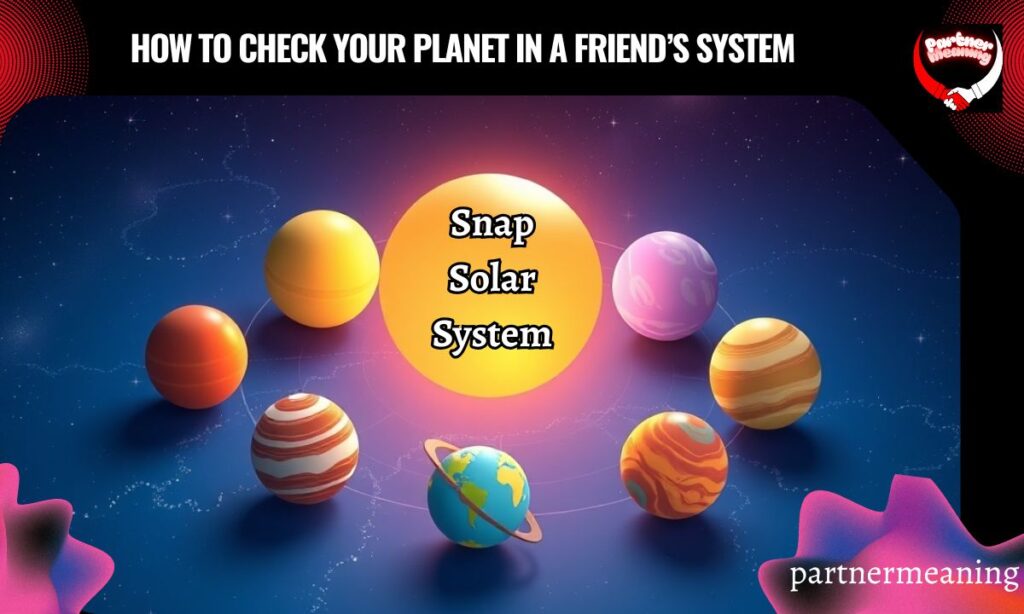
Checking your planet position is a private action. Snapchat does not display this information publicly. You must actively view a friend’s profile. Open the profile of a friend who also has the feature enabled. Look for the Best Friends or Friends badge under their name.
Tap the badge to reveal your planet. This shows how you rank in their Solar System. It does not show their rank in yours. This design keeps insight personal. No notifications are sent when you check or when rankings change.
Why Snap Solar System May Not Appear
Sometimes the Solar System feature does not show up. This usually happens due to eligibility or settings issues. Most problems are easy to fix. The most common reason is lack of a Snapchat+ subscription. Without it, planets will not appear. Another reason is the feature being turned off.
Subscription: You must have an active Snapchat+ plan.
Activation: Friend Solar System must be enabled manually.
Eligibility: You must be in the friend’s top eight.
Updates: An outdated app can hide features.
Updating the app or clearing cache often resolves visibility issues.
Managing Snap Solar System Responsibly
Snap Solar System is designed to be optional. Rankings reflect activity, not emotional closeness. Understanding this helps maintain healthy usage. Planet positions change naturally as interaction patterns shift. A lower rank does not mean a weaker friendship. It simply shows recent engagement levels.
Users can disable the feature anytime if it causes stress. Snapchat intentionally avoids alerts or comparisons to reduce pressure. The healthiest approach is to treat planets as information, not validation. Real connections matter more than visual rankings.
How Rankings Update Over Time
Rankings update dynamically in the background. Snapchat constantly tracks interaction patterns and adjusts planet positions accordingly. Changes are gradual, not sudden.
Consistent interaction matters more than short bursts. Daily snaps and chats strengthen placement. Long gaps slowly reduce closeness.
There are no notifications when rankings change. This keeps the experience calm and non-competitive. Users discover changes only when checking. This quiet updating system helps avoid emotional reactions. It keeps the feature informative rather than disruptive.
Snap Solar System and Privacy
Privacy is a key part of Snap Solar System. Only Snapchat+ users who enable the feature can see planets. There is no public leaderboard. Friends cannot see their rank unless they visit your profile. Even then, they only see their own position, not others.
Snapchat does not notify users about rank changes. This prevents misunderstandings and social tension. Users maintain full control. The feature can be turned on or off anytime without losing data.
Snap Solar System vs Traditional Best Friends List
Snap Solar System improves upon the traditional Best Friends list by using visuals instead of text. This makes relationships easier to understand at a glance.
| Feature | Snap Solar System | Traditional Best Friends List |
| Display Style | Visual planets | Text-based list |
| Ranking Method | Dynamic interaction | Static interaction |
| Emotional Pressure | Low | Higher |
| Fun Factor | High | Minimal |
| Privacy Control | Strong | Limited |
The Solar System feels more expressive and less rigid. It turns data into a playful experience.
Tips to Improve Planet Ranking Naturally
Improving your planet ranking requires genuine interaction. Snapchat does not reward spammy behavior. Consistency is more important than volume. Daily snaps help more than occasional long conversations. Simple engagement over time creates stronger placement.
Consistency: Send snaps regularly, even short ones.
Conversation: Chat naturally and respond thoughtfully.
Engagement: Reply to stories and snaps when relevant.
Authenticity: Avoid forcing interaction just to rank higher.
Natural behavior leads to stable and meaningful rankings.
Common Myths About Snap Solar System
Many users misunderstand how the system works. Clearing these myths helps reduce unnecessary stress.
Myth: Lower planet means weaker friendship.
Reality: It only reflects recent interaction.
Myth:Friends get notified of rank changes.
Reality: Snapchat sends no alerts.
Myth: Planets can be assigned manually.
Reality: Rankings are automatic. Understanding these points helps users enjoy the feature without overthinking it.
Future of Snap Solar System
Snapchat continues to experiment with social visuals. Snap Solar System may evolve with new designs or engagement signals. Future updates could refine planet visuals or add subtle customization. However, the core ranking logic is likely to remain.
Snapchat prioritizes balance between fun and emotional safety. That approach will shape future updates. Overall, Snap Solar System is expected to stay optional, visual, and user-controlled as it grows.
Frequently Asked Questions
What is Snap Solar System
It is a Snapchat+ feature that visually shows your top eight friends as planets based on how often you interact.
Is Snap Solar System available for free users
No, it is only available to Snapchat+ subscribers who enable the feature.
Can I hide my planet ranking
Yes, you can hide it anytime by turning off Friend Solar System in Snapchat+ settings.
Do rankings update automatically
Yes, rankings update automatically based on ongoing snaps, chats, streaks, and interactions.
Can friends see changes in rank
No, Snapchat does not notify friends when planet rankings change.
Final Thoughts
Snap Solar System adds a fun and visual way to understand interaction patterns on Snapchat. It replaces numbers with planets to reduce pressure and keep things light. Rankings change naturally as conversations shift, making it dynamic and realistic. When used mindfully, it enhances curiosity without defining real friendship value.

Hayyat is a passionate writer and researcher who loves exploring the beauty and depth of Arabic language and culture. With a special interest in Arabic names, Qur’anic words, and Islamic heritage, Hayyat aims to share meaningful insights with readers who appreciate names with purpose and history.