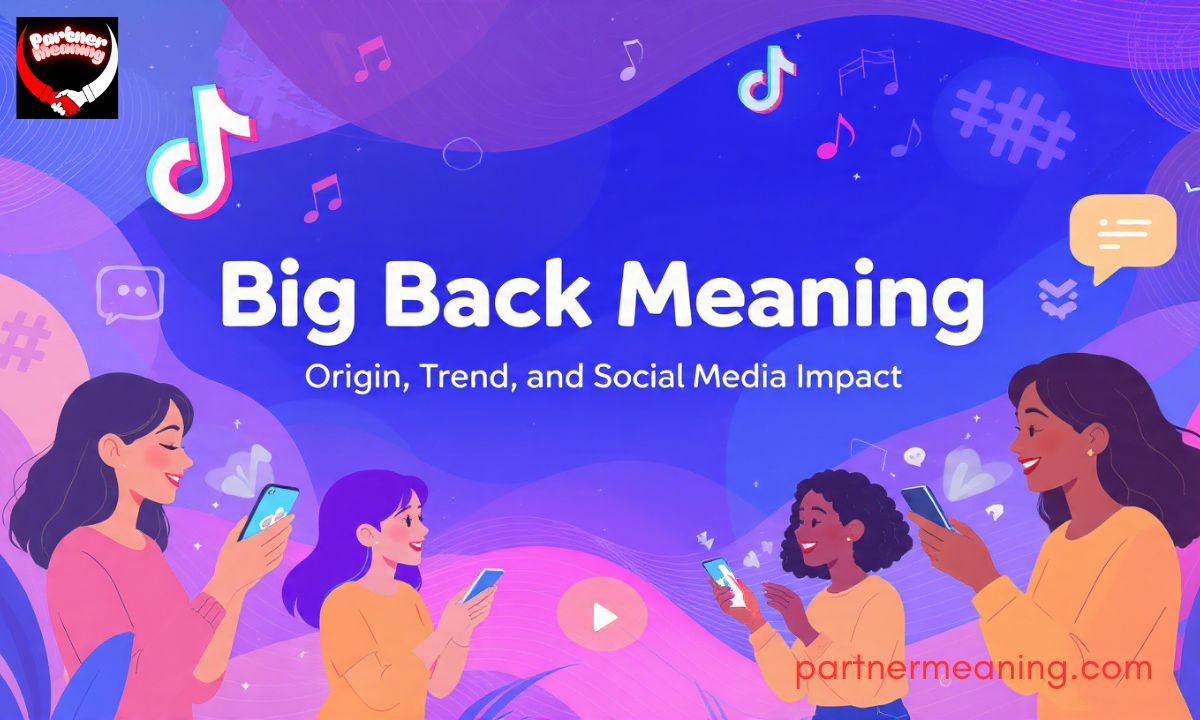
The phrase “Big Back” has quickly taken over social media, especially TikTok, becoming a mix of humor, music, and controversy. What started as a funny online phrase has turned into a viral internet slang trend with millions of users joining in on the joke.
While some people use “Big Back” for laughs or parody videos, others see it as a reminder of how easily body image and humor can collide online. Its rise shows how social media trends can blur the line between harmless fun and hurtful commentary.
What Does “Big Back” Mean in Slang?
The slang “Big Back” has taken over social media with mixed reactions. Many use it in jokes or viral videos, while others see it as a subtle form of body shaming. The phrase now lives in online culture as both a comedy trend and a controversial term tied to eating habits and appearance.
The Literal vs. Slang Meaning of “Big Back”
In a literal sense, “Big Back” refers to someone with a large or broad upper body. But online, it’s used as a playful or sarcastic label for people who love food or eat heavily. The term has grown beyond physical size to reflect certain attitudes, behaviors, and confidence often showcased in viral videos.
For some creators, “Big Back” has become a symbol of humor and bold personality. For others, it highlights how online slang can easily cross from funny to offensive. The meaning often depends on who says it and how it’s used.
Why the Term “Big Back” Became Viral Online
The rise of “Big Back” can be traced to TikTok, where people used it in cooking videos, parodies, and meme captions. It spread fast because of its catchy rhythm and the funny exaggerations people added to it.
A remix of the “Backpack Song” from Dora the Explorer also fueled the trend, swapping “Backpack” with “Big Back.” The sound became popular, and thousands of users joined in with their own versions, turning it into a viral meme that mixed humor, food culture, and self-mockery.
Where Did the Slang “Big Back” Come From?
The phrase “Big Back” has roots in African American pop culture, where having “back” was once considered a compliment. Over time, online users redefined it with humor and mockery, blending it into modern meme culture.
The Role of TikTok in Popularizing “Big Back”
TikTok creators played a huge role in making “Big Back” a trend. It became a part of viral content where users stuffed pillows under shirts, cooked heavy meals, or used the phrase in skits. The hashtag #BigBack gained millions of views, showing how fast social humor spreads online.
As influencers joined in, the trend expanded into parody songs, reaction videos, and “Big Back behavior” memes. It became both entertainment and a way to comment on body size stereotypes in a lighthearted tone.
African American and British Roots of the Phrase
In African American culture, phrases celebrating body shape—like “Baby Got Back”—inspired playful use of the word “back.” Over time, the term evolved into “Big Back,” often shifting from praise to mockery in online spaces.
In the UK, British users adapted the phrase with their own twist, using it in banter and online challenges. The result is a cross-culture slang that now lives globally across TikTok, YouTube, and meme pages.
How “Big Back” Is Used in Today’s Culture
Today, “Big Back” appears in memes, music remixes, and viral reactions. It can be funny or hurtful, depending on tone and context. The phrase reflects how online humor often walks a fine line between entertainment and insult.
Big Back Behavior on TikTok and Memes
TikTok trends like “Big Back Behavior” show creators eating, dancing, or joking about food in exaggerated ways. It’s often meant as fun, not offense, but not everyone sees it that way. The term keeps showing up in viral sounds, duets, and meme captions.
Examples:
– A user cooks a massive meal and captions it “Weekend Big Back Behavior.”
– Another creator dances while joking, “Me after eating one slice of pizza – certified Big Back.”
Some creators reclaim the phrase proudly, while others criticize it for promoting body-shaming humor.
How Teens and Gen Z Use the Term in Daily Life
Among Gen Z, “Big Back” is often used playfully between friends. It might refer to someone eating too much, flexing at the gym, or just being extra in a funny moment.
Examples:
– “Bro finished that burger in two bites, straight Big Back behavior.”
– “She’s rocking that dress – real Big Back energy!”
While it sounds casual, parents and educators warn that the phrase can still carry hidden insults or reinforce body image pressure if used carelessly.
Is “Big Back” a Compliment or an Insult?
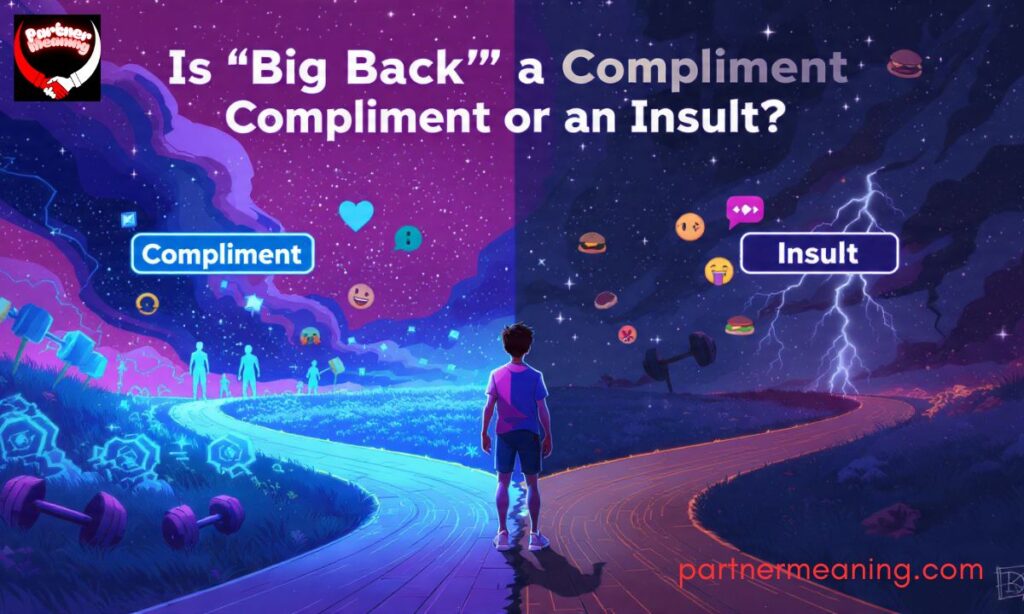
The phrase “Big Back” walks a fine line between humor and harm. In some circles, it’s seen as funny or lighthearted, while in others it’s viewed as mocking or disrespectful. The difference lies in tone, intention, and relationship between the people using it. What’s a joke to one person might feel like an insult to another.
Positive Interpretations in Fitness Circles
In fitness culture, “Big Back” can actually be a compliment. It’s often used to praise someone’s strength, broad shoulders, or muscular build. Many athletes and gym enthusiasts see a “big back” as a symbol of power and hard work.
Strong Physique Recognition – Used to praise people with visible back muscles or defined posture from training.
Gym Motivation – Hearing “You’ve got that big back energy” can boost confidence among weightlifters.
Bodybuilding Compliment – In competitions, a “big back” is admired as a sign of dominance and strength.
Masculine and Athletic Appeal – The phrase can highlight physical capability and dedication to fitness.
Empowerment Context – Some women use “Big Back energy” humorously to own their size and confidence.
Negative Connotations and Body Shaming Concerns
On the flip side, “Big Back” often carries negative undertones when used outside gym culture. It’s sometimes thrown around to tease or ridicule someone’s body size, eating habits, or appearance.
Mocking Weight or Shape – Used sarcastically to make fun of someone’s size instead of praising it.
Hidden Body Shaming – Disguised as a joke, it can hurt self-esteem and reinforce harmful beauty standards.
Public Embarrassment – When said online, it may turn into viral teasing or meme bullying.
Gender Bias – Women often face more criticism and scrutiny when labeled “Big Back.”
Insensitive Contexts – Used by strangers or influencers, it can easily cross boundaries and feel cruel.
The Psychological Impact of “Big Back” Slang
Hearing or reading “Big Back” comments repeatedly can influence self-image and confidence. Even if meant as humor, such phrases may shape how people view their bodies and how they expect others to judge them. Over time, it may lead to self-doubt, anxiety, or food-related stress.
How Online Slang Affects Body Image
Social media slang like “Big Back” creates fast-spreading jokes that often normalize judgment. When users see the phrase in memes or comments, it can affect how they feel about weight and appearance.
Examples:
– A TikTok user laughs at herself eating and captions it “Certified Big Back behavior.”
– Someone posts gym progress photos and commenters say “Big Back alert,” mixing praise with sarcasm.
Online repetition makes people compare themselves unconsciously. Even when jokes seem light, they reinforce stereotypes about what’s acceptable or attractive.
In some cases, users embrace the term for empowerment—turning humor into confidence and self-acceptance. Others, however, feel pressured to fit in or change habits to avoid being labeled that way.
Examples:
– A teen deletes her video after being called “Big Back.”
– Another user laughs it off, replying, “Yeah, I earned this Big Back energy at the gym.”
The Link Between Humor and Hidden Harm
| Humor Element | Surface Meaning |
| “Big Back” jokes among friends | Light teasing meant for fun |
| Used with memes and TikTok trends | Shared cultural joke |
| Self-deprecating humor | Can seem empowering |
| Influencer participation | Normalizes slang faster |
| Group bonding | Creates inclusion through laughter |
| Hidden Harm | Emotional or Social Impact |
| Repeated teasing | Leads to body insecurity |
| Viral memes | Amplify ridicule on a global scale |
| “Funny” insults | Mask real criticism |
| Public comments | Embarrass or shame individuals |
| Peer pressure | Makes teens mimic harmful humor |
Why Parents Should Be Aware of the “Big Back” Trend
Parents should understand that “Big Back” isn’t just an online joke—it’s part of youth culture that mixes humor with body commentary. Recognizing the slang helps adults spot early signs of online teasing or insecurity in kids. Awareness allows open discussions about how language affects confidence and kindness.
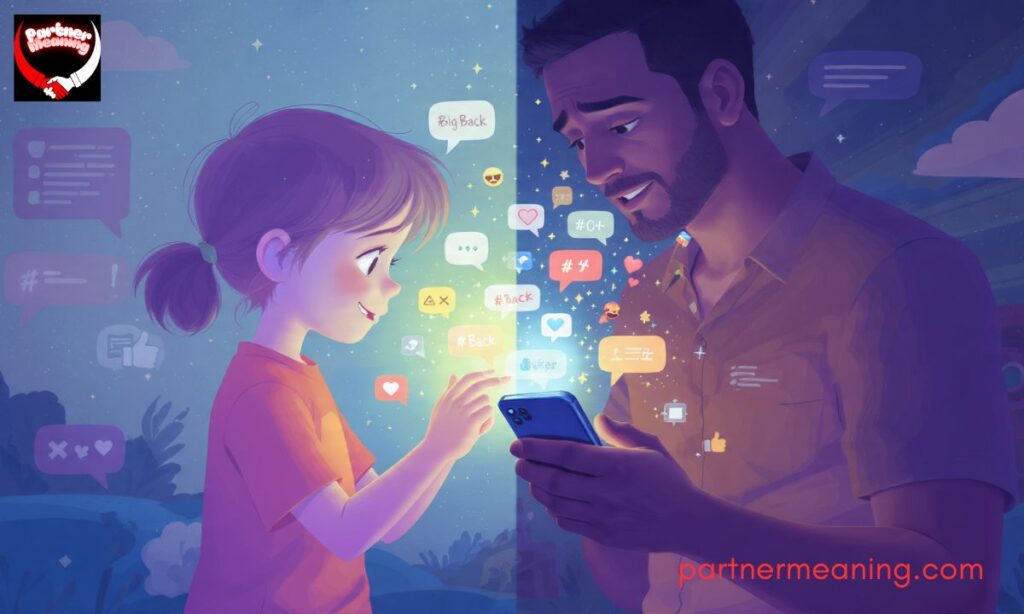
How Kids Encounter “Big Back” Slang Online
Children often hear or see “Big Back” through TikTok sounds, gaming chats, or meme pages. Many join in because it feels funny and trendy, not realizing the emotional effect it can have on others.
Examples:
– Kids copy “Big Back” memes during lunch breaks.
– Teens use it jokingly while gaming or commenting on each other’s posts.
Peer pressure plays a huge role. When everyone uses a term, it becomes normalized, even if it’s harmful or confusing. Over time, children may begin associating food or body size with shame or humor.
Examples:
– A group chat shares memes saying, “That meal’s giving Big Back.”
– A teen avoids eating in public after being called “Big Back” online.
Guiding Children Toward Healthy Digital Habits
Parents can turn slang conversations into teachable moments. Instead of banning words outright, explain why certain jokes hurt and how kindness online matters. Encouraging empathy builds emotional intelligence.
Examples:
– Discuss viral slang together: “What do you think ‘Big Back’ really means?”
– Praise kids for standing up when others are mocked online.
Setting clear rules about social media behavior helps children navigate trends safely. Encourage them to post thoughtfully and avoid commenting on appearance. This way, they learn to use humor responsibly and protect others’ confidence.
Examples:
– Create a “Think Before You Post” checklist at home.
– Reward positive online behavior, like reporting harmful content.
How to Respond if Someone Uses “Big Back”
If someone calls you “Big Back,” take a deep breath before reacting. The phrase might sound funny or casual, but it can also be hurtful or body-shaming. The best response is to stay calm, set boundaries, and remind others that words matter. Respectful conversation can turn an awkward moment into a learning one.
Talking to Kids About Body-Shaming Language
When kids repeat slang like “Big Back,” it’s usually because they heard it online. Parents should ask where they learned it and explain that such words can hurt people’s feelings even if used as a joke. Kids often copy humor without knowing its emotional weight.
Examples:
– A child laughs and says “Big Back energy” at dinner after watching a TikTok.
– A parent gently asks, “Do you know what that means?” and explains why it can be unkind.
Open conversations help kids think before they speak. Instead of scolding, use the moment to teach empathy and self-awareness. Help them understand that kindness online and offline builds stronger friendships than teasing ever could.
Examples:
– During car rides, discuss trends they’ve seen online.
– Share stories about people who felt hurt by “funny” comments to help them connect emotionally.
Encouraging Kindness and Empathy in Conversations
Teaching kids empathy starts with modeling it yourself. When they see you respond calmly to rudeness, they learn to handle words with care. Encourage them to compliment others sincerely instead of focusing on appearances.
Examples:
– Replace comments like “You’re so skinny” with “You look really happy today.”
– Praise actions or effort: “You worked so hard on that project!” instead of body remarks.
Encourage them to stand up for peers when others use phrases like “Big Back.” It shows moral strength and compassion. Remind them that online likes fade, but respect lasts. Helping others feel safe builds true confidence.
Examples:
– A teen replies, “Hey, that’s not cool,” when a classmate gets teased.
– Parents celebrate small acts of kindness with positive feedback or a family talk.
Big Back Meaning in Pop Culture and Internet Memes
The phrase “Big Back” has evolved far beyond slang—it’s now a pop culture phenomenon. Social media has turned it into memes, hashtags, and even remixes. While some find it funny or relatable, others see it as mocking and insensitive. Its rise shows how quickly digital humor can shape conversations about body image.
From Hashtags to Humor: The Evolution of “Big Back”
Online users took “Big Back” from simple slang to full-blown meme culture. It started as teasing among friends but soon became a trend through TikTok sounds and parody videos. Humor made the term go viral—but not everyone laughs at it.
Examples:
– TikTok videos titled “Big Back Behavior” showing exaggerated eating clips.
– Hashtags like #BigBackEnergy trending under comedy skits.
Over time, the phrase became a digital identity marker. People began using it ironically to joke about their own habits or confidence. What began as mockery turned into self-expression for some—but it still carries risks of body-shaming when misused.
Examples:
– Twitter posts saying, “Living my Big Back life unapologetically.”
– Instagram memes blending fitness jokes with “Big Back energy” captions.
Influencers and Viral Challenges Using the Phrase
Many influencers helped spread “Big Back” content by turning it into remixes, parodies, and challenges. Some creators use it to motivate fitness journeys, while others use it purely for laughs. The tone depends on how it’s delivered.
Examples:
– Influencer posts a skit cooking huge meals with the caption “Certified Big Back Chef.”
– Fitness creators post transformation videos saying, “No more Big Back days.”
Viral moments made “Big Back” a familiar sound across TikTok and YouTube. While it boosted engagement, it also blurred the line between self-deprecating humor and public ridicule. Responsible creators now try to shift the focus toward positivity and body acceptance.
Examples:
– A creator uses the phrase humorously while promoting healthy eating.
– Another replaces the phrase with “Strong Back Energy” to reframe the message positively.
Final Thoughts
The phrase “Big Back” shows how quickly online slang can shift from humor to harm. What starts as a joke can easily become body-shaming when taken out of context. It’s a reminder to think before sharing or repeating viral terms. Encouraging empathy, respect, and awareness online helps make digital spaces kinder for everyone.
Frequently Asked Questions
What does “Big Back” mean on TikTok?
It’s a slang term used in memes or jokes to describe someone’s body, often exaggerated for humor.
Is calling someone “Big Back” considered offensive?
Yes, it can be if said to insult or shame someone’s appearance.
Where did the term “Big Back” originate from?
It likely started in African American and British slang communities before spreading on social media.
Can “Big Back” ever be used as a compliment?
Sometimes, in fitness circles, it can mean someone has a strong or muscular build.
How can parents handle cyberbullying related to “Big Back”?
Talk openly, monitor online activity, and teach kids how to block or report harmful content.
What is “Big Back Behavior” in internet slang?
It’s a humorous phrase used in videos or memes to exaggerate confident or over-the-top actions.
Is the “Big Back” trend harmful for kids and teens?
Yes, it can affect self-esteem and promote unhealthy body comparisons if not addressed properly.

Hayyat is a passionate writer and researcher who loves exploring the beauty and depth of Arabic language and culture. With a special interest in Arabic names, Qur’anic words, and Islamic heritage, Hayyat aims to share meaningful insights with readers who appreciate names with purpose and history.