DTB is a popular slang acronym you’ve probably seen on TikTok, Instagram, or in text messages. It can have different meanings depending on the context, so knowing what it stands for is key. Understanding DTB will help you stay up-to-date with online conversations.
While most people use DTB to talk about relationships or trust, it can also mean things like Don’t Text Back or even pop up in gaming and social media trends. Learning how and when to use it will make your messages clear, trendy, and relatable.
What Does “DTB” Mean?
DTB is a trending slang term on social media. Its meaning depends on the context. People use it in texting, TikTok, or Instagram. Knowing its definition helps you communicate clearly online.
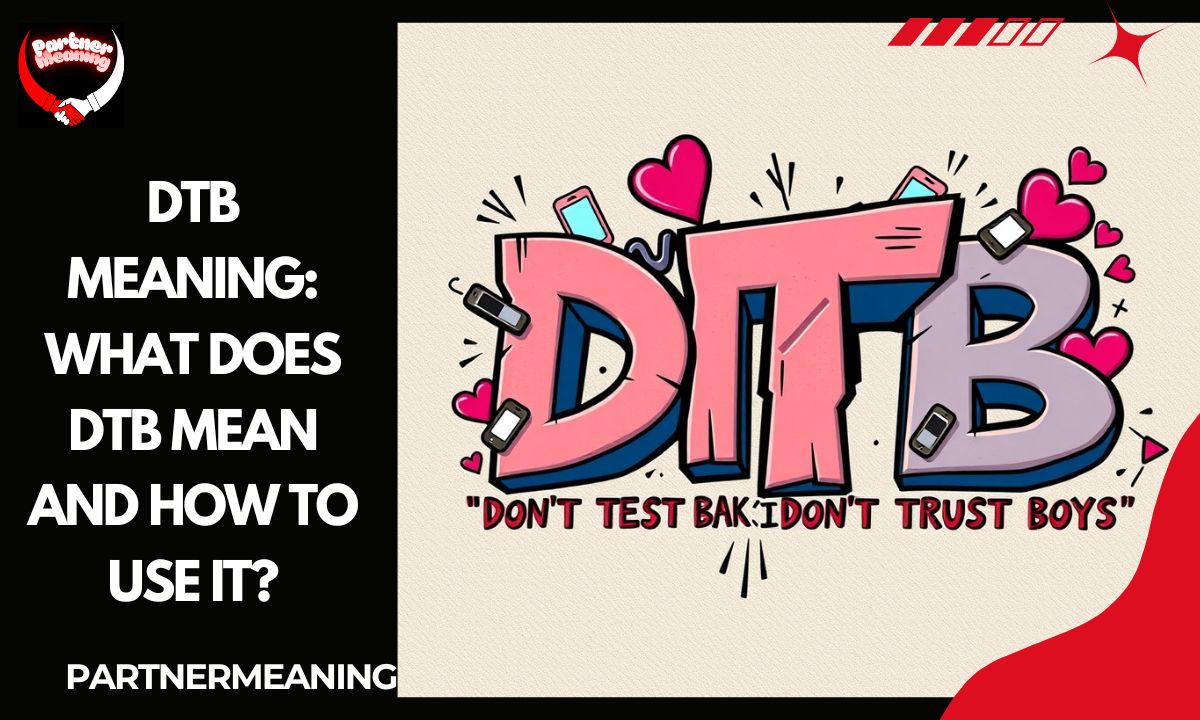
“DTB” – Don’t Text Back
Don’t Text Back is a simple meaning. It is used when someone does not want a reply. It signals the end of a conversation. For example:
- “I’m busy right now. DTB.”
- “Heading to bed, DTB.”
“DTB” – Don’t Trust B*tches / Don’t Trust Boys
This usage is common in relationships. It warns about trust issues. People post it after breakups or betrayals. For example:
- “He lied to me again. DTB.”
- “She cheated? DTB!”
DTB Examples in Conversations, Texting, and Social Posts
People use DTB in casual conversations. It can show attitude, frustration, or humor.
Examples in texting:
- “I’m done talking to him, DTB.”
- “No more lies, DTB.”
Examples on social media:
- TikTok caption: “After that date, DTB.”
- Instagram comment: “Girl, DTB energy today!”
More About DTB Terminology
DTB is versatile in slang culture. It can be playful or serious. Younger generations use it widely online. Memes, captions, and videos often include the term.
Sometimes, the acronym changes meaning. Context matters a lot. For instance, it can mean Don’t Text Back in messaging apps. Or, it can represent Don’t Trust Boys on social media posts.
The Origin and Evolution of “DTB”
DTB grew from hip-hop and internet slang. Artists like A Boogie Wit Da Hoodie popularized it. The term spread quickly on TikTok. Over time, it reached Instagram, Twitter, and messaging apps.
Where Did DTB Come From?
DTB started in music culture. Rap lyrics used it for relationships and trust. TikTok turned it into a viral trend. Now, it’s part of daily youth conversation.
DTB Meaning in Different Contexts – Explained
In texting, DTB often means “Don’t Text Back.” In TikTok videos, it signals mistrust or breakup energy. In Spanish chats, it can mean “Dios Te Bendiga.” Context is key. Always check the setting before using it.
When and How to Use DTB
Use DTB in casual conversations. It works for texting, captions, or social media posts. It can express humor, attitude, or warnings. One sentence is enough to get the message across.
Tips for Using DTB Effectively
- Use in informal messages.
- Keep the tone light if playful.
- Avoid professional settings.
- Ensure the recipient knows the meaning.
How People Use DTB Today
People use DTB to express independence. It appears in memes and social media trends. Some use it for breakups, others for humor. It is now part of youth online culture.
DTB in TikTok
TikTok boosted DTB popularity. Users post breakup videos or memes using the acronym. It is widely recognized and often used with hashtags.
DTB in Spanish
In Spanish, DTB can mean “Dios Te Bendiga.” It is a way to send blessings. Often kept in acronym form on social platforms.
How DTB is Used on Social Media
Social media users use DTB in comments, captions, and hashtags. It expresses mood, attitude, or warnings. Flexibility makes it easy to use in short posts.
Replying to “DTB”
When you see DTB, context matters. If it’s playful, reply with humor. If serious, acknowledge the message. Respect boundaries when someone uses it to end a conversation.
How to Respond to DTB in Chats or Social Media
- Agree with the sentiment: “Yes, DTB!”
- Ask for clarification if unsure: “What do you mean by DTB?”
- Keep it respectful when used seriously.
Other Possible Meanings of DTB
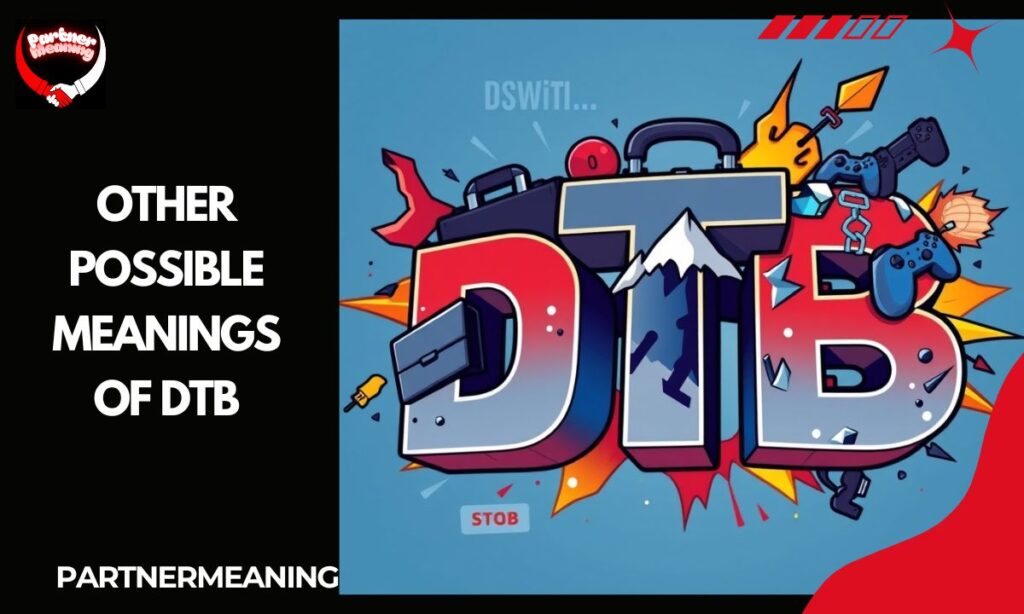
DTB can mean other things too.
- Down to Business – work or professional use.
- Don’t Turn Back – motivational or gaming context.
- Destroy the Base – gaming slang.
Words and Acronyms Related to DTB
Some related acronyms include:
- NTB – Not to Be
- IDC – I Don’t Care
- FBO – Facebook Official
- DND – Do Not Disturb
Is “DTB” a Slang, Acronym, or Name?
DTB is mainly slang and an acronym. Each letter stands for words in a phrase. It is informal and not used in professional writing. Some use it in gaming usernames to sound edgy.
“DTB” Pronunciation & Spelling
Pronounce each letter: “Dee-Tee-Bee.”
Common variations: lowercase (dtb), with emojis (DTB 💔), or hashtags (#DTB).
Is “DTB” in the Dictionary?
No, DTB is not in formal dictionaries. It appears in online slang resources like Urban Dictionary. It is widely understood in casual contexts.
Examples of “DTB” in a Sentence
Using DTB in everyday language can be both playful and serious. People often post it on TikTok or Instagram to express trust issues, breakups, or relationship frustration. It can be part of a caption, comment, or direct message. The key is understanding the context. DTB can also be used in texting to signal that no reply is needed or to emphasize independence.
Breakup text example: “He lied again? DTB!”
Social media caption: “Feeling free, DTB energy today.”
Playful advice among friends: “Girl, DTB about him, he’s not worth it.”
Group chat warning: “DTB, she’s shady.”
Texting to signal no reply needed: Using DTB to show independence or boundaries.
General social media usage: Can be part of a caption, comment, or direct message expressing frustration, trust issues, or freedom.
Why Do People Say DTB?
People say DTB for different reasons. Often, it expresses mistrust or caution in relationships. Someone may feel hurt by a partner or friend and want to convey that they won’t be easily fooled again. It can be a way to set boundaries or signal independence. Saying DTB also allows users to join social trends on TikTok or Instagram.
Some use DTB for humor or playful exaggeration. For instance, friends might post memes about crushes or dating experiences. Others use it to show confidence and self-protection. In texting, it can mean “Don’t Text Back,” which helps avoid further conversation. Overall, the phrase is a quick, expressive tool in online communication.
Is DTB Just for Girls, or Can Anyone Use It?
Although DTB often stands for “Don’t Trust Boys,” anyone can use it. Men, women, and non-binary individuals employ it to express caution, humor, or independence. Its meaning depends more on the situation than the gender of the user. It has become a gender-neutral slang term online.
In social media, many people use it jokingly. Friends might tease each other about crushes or bad dates. The phrase can also show solidarity after a breakup or betrayal. Its flexibility makes it popular among all genders. Whether in text messages, captions, or memes, DTB works for anyone wanting to share feelings or attitude quickly.
DTB vs Other Popular Slang – What’s the Difference?
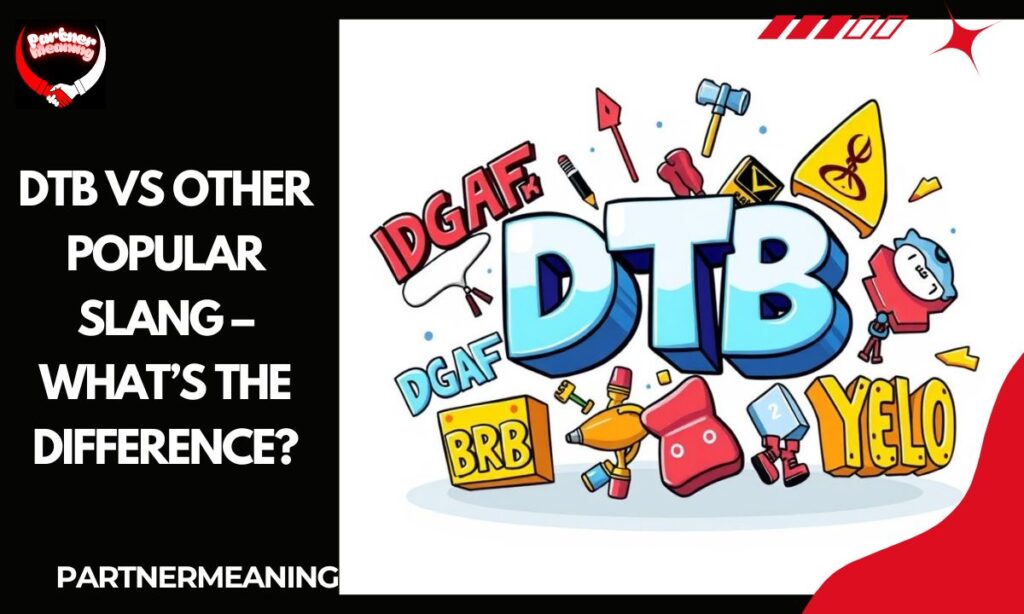
DTB stands out because it combines attitude, independence, and caution. Unlike acronyms like LOL or LMAO, which just express reactions, DTB conveys a message. It often reflects personal boundaries, mistrust, or humor in relationships.
- IDGAF – shows attitude but not trust issues.
- BRB – only signals a pause in conversation.
- YOLO – emphasizes life choices, not relationship caution.
While other slang is general, DTB is situational. It’s used mostly in personal, social, or romantic contexts. Social media and TikTok trends amplify its reach. Users choose it when they want a clear, punchy statement about trust or independence.
Common Mistakes People Make With DTB
Many people assume DTB always means “Don’t Trust Boys.” This is not true. It can also mean Don’t Text Back, Down to Business, or Don’t Turn Back depending on context. Misunderstanding the setting can lead to confusion.
Another common mistake is using DTB in formal or professional communication. It is slang and casual by nature. Texts, social media posts, and captions are the proper places. Overusing it can also make messages seem harsh or insensitive. Understanding when and how to use DTB avoids miscommunication and keeps the tone appropriate.
Better Alternatives to Say “DTB”
| Context | Alternative Phrase | Usage Example |
| Relationship caution | “Be careful who you trust” | “After that date, be careful who you trust.” |
| Avoid texting | “I won’t reply right now” | “I’m busy, I won’t reply right now.” |
| Breakup or betrayal | “Stay guarded” | “Stay guarded, don’t get hurt again.” |
| Self-independence | “Focus on yourself” | “Focus on yourself, no distractions.” |
| Playful warning | “Single and happy” | “Single and happy, don’t bother me.” |
These alternatives make the sentiment clear while avoiding slang misunderstandings. They can be used in messages or social media posts when a more polite or descriptive phrase is needed.
Cultural and Generational Impact of DTB
DTB is a Gen Z cultural marker. It reflects the shift toward self-protection, independence, and online humor. Music, memes, and TikTok videos have made it instantly recognizable. Younger audiences use it naturally in conversations.
Older generations may need explanation. Just like YOLO or BRB, it is part of a generational slang gap. Its rise shows how music and social media influence language. DTB represents a playful yet cautious approach to relationships and social interactions.
Why It’s Important to Know These Words
Understanding DTB helps you stay connected with modern conversations. If you don’t know it, messages or posts may seem confusing. Digital literacy now includes knowing common internet slang.
Being aware of DTB prevents misunderstandings. It also allows you to engage confidently in social media trends or messaging platforms. Recognizing the phrase and its context shows you understand current online culture.
Will DTB Stay Popular or Fade Away?
Like many slang terms, DTB may evolve over time. Social media and TikTok trends can keep it relevant. Its adaptability in texting, captions, and memes helps its longevity.
As new phrases appear, older slang may fade. Despite this, the core idea of trust, independence, and attitude will remain relevant. Whether it stays or fades, DTB has already left a mark on internet culture and youth communication.
Frequently Asked Questions
What does DTB mean in texting?
DTB usually means “Don’t Trust Boys” or “Don’t Text Back” depending on context.
What is the full form of DTB in chat?
The full form is typically “Don’t Trust Boys”, but it can also mean “Don’t Trust B*tches” or “Don’t Text Back.”
What does DTB mean on TikTok?
On TikTok, DTB mostly stands for “Don’t Trust Boys” and is used in posts about relationships or trust issues.
What does DTB mean on Instagram?
On Instagram, it’s used in captions, comments, or hashtags to express attitude, independence, or caution.
Is DTB only for girls?
No, anyone can use DTB to show trust issues, confidence, or humor, regardless of gender.
Can DTB mean something else?
Yes, it can also mean “Don’t Text Back,” “Down to Business,” or “Don’t Turn Back.”
What does DTB mean in Spanish?
In Spanish, DTB often stands for “Dios Te Bendiga” (God Bless You).
Where did DTB come from?
DTB became popular through rap music, hip-hop culture, and TikTok trends.
How do you reply to DTB in chat?
You can agree, laugh, or ask for clarification depending on the tone.
Is DTB still popular in 2026?
Yes, DTB remains trending on TikTok, Instagram, and online conversations.
Conclusion
DTB is a versatile acronym used to express trust, independence, or boundaries in conversations. Its meaning changes based on context, platform, and culture, making it essential to understand before using it. While it started in music and social media, it now plays a key role in digital slang and Gen Z culture. Whether for humor, advice, or attitude, DTB remains a relevant and catchy term in online communication.

Hayyat is a passionate writer and researcher who loves exploring the beauty and depth of Arabic language and culture. With a special interest in Arabic names, Qur’anic words, and Islamic heritage, Hayyat aims to share meaningful insights with readers who appreciate names with purpose and history.