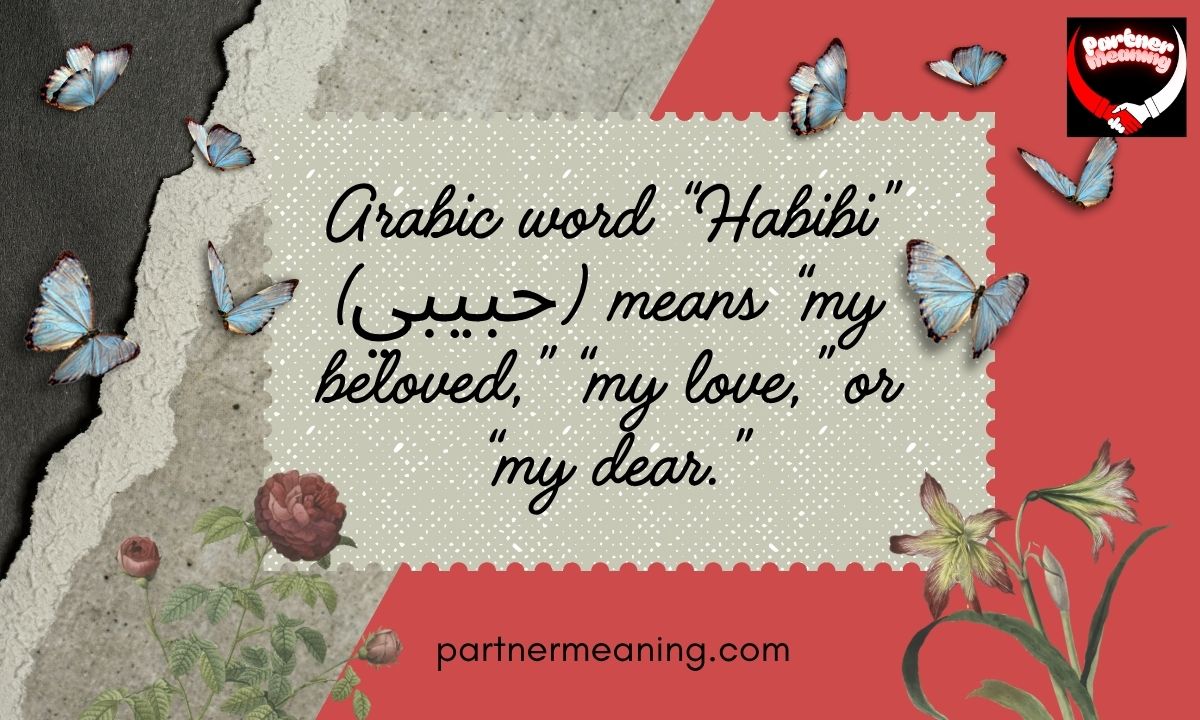
Habibi (حبيبي) is one of the most recognized Arabic words worldwide, filled with emotion and warmth. You’ll hear it in songs, movies, and daily conversations, carrying affection that crosses languages and cultures. Whether spoken between friends, family, or lovers, habibi captures connection and closeness in a single word. It’s more than speech—it’s a symbol of Arabic love and identity.
What Does Habibi Mean in Arabic?
Habibi (حبيبي) is one of the most beautiful expressions in the Arabic language, often used to show love, warmth, and closeness. It goes beyond simple affection—it’s part of everyday conversation among Arabs worldwide. Whether in a song, movie, or family talk, habibi carries a sense of emotional connection and familiarity that few words can match.
Literal Translation and Pronunciation
Literally, habibi (حبيبي) translates to “my beloved” or “my dear.” It comes from the root ḥubb (حب) which means “love.” The word is pronounced ha-bee-bee, with soft emphasis on the middle syllable.
In Arabic, adding the suffix -i (ـي) at the end makes it possessive, turning habib (beloved) into habibi (my beloved). This small change gives the word its emotional power—it turns love into something deeply personal.
The Feminine Form – Habibti (حبيبتي)
For addressing a female, Arabs say habibti (حبيبتي), pronounced ha-beeb-tee. The -ti (ـتي) ending marks femininity in Arabic grammar. This form is equally common and filled with affection.
You’ll often hear a man say ya habibti (يا حبيبتي)—“oh my love”—in songs, poetry, or between partners. Using the right gender form is important in Arabic culture and shows respect, familiarity, and fluency in the language.
Linguistic Roots of Habibi (حبيبي)
The word habibi comes from one of the most expressive roots in Arabic: ح-ب-ب (H-B-B). This root is all about love, affection, and fondness. It forms a family of words that express different shades of emotional attachment. Arabic’s root system connects meanings beautifully—each word grows from a shared foundation, giving the language depth and poetry.
Derived from the Root H-B-B (حب)
The triliteral root ح-ب-ب creates words that revolve around the idea of love. For example:
- ḥubb (حب): love (noun)
- yuḥibbu (يحب): to love (verb)
- maḥbūb (محبوب): beloved or admired
- ḥabīb (حبيب): dear one or loved person
From this same root, habibi (حبيبي) means my loved one. This connection shows how deeply love is woven into the language itself. Arabic doesn’t just speak love—it builds it right into the structure of its words.
Related Words Like Hubb and Habib
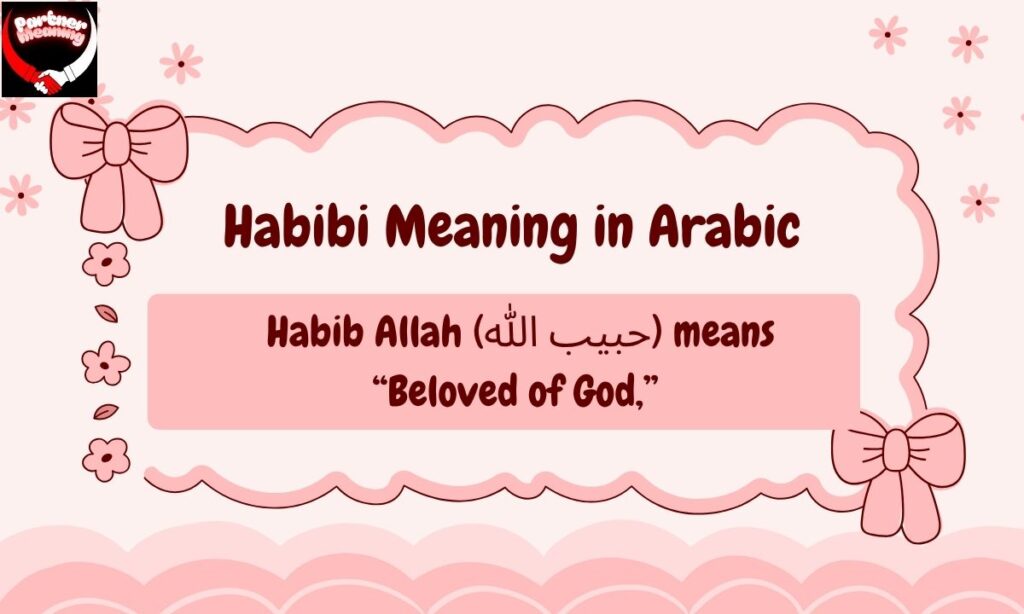
The noun ḥubb (حب) means love, often appearing in classical poetry and the Qur’an. Habib (حبيب), on the other hand, is a title of affection meaning “beloved.” The Prophet Muhammad (peace be upon him) was even called Habib Allah (حبيب الله)—“Beloved of God.” These related words give habibi its spiritual and emotional weight, linking everyday language to deep expressions of care and reverence.
Habibi Meaning in English
In English, habibi is often translated as “my love,” “my dear,” “sweetheart,” or even “buddy,” depending on tone and context. It’s one of those rare words that doesn’t fit neatly into a single translation because it carries layers of affection. Whether said between friends or lovers, it conveys kindness and warmth. The meaning changes not by word, but by voice, emotion, and relationship.
Common English Equivalents
Here’s how habibi and habibti align with common English phrases:
- Habibi (حبيبي) → “my love,” “dear,” “bro,” “pal”
- Habibti (حبيبتي) → “darling,” “sweetheart,” “honey”
- Habib (حبيب) → “beloved,” “dear one,” “precious”
Unlike English, Arabic doesn’t restrict such terms to romance. A father might call his son habibi, and friends might say ya habibi playfully. It’s both intimate and friendly—a word that bridges affection and respect.
Context and Tone Matter
The true meaning of habibi depends entirely on who says it and how. In a romantic setting, it feels tender and heartfelt; among friends, it’s casual and light. In Egypt or Lebanon, you might hear it every few minutes in daily talk—“shukran, habibi” (thank you, my dear) or “yalla, habibi” (come on, my friend). This flexibility is what makes it so unique—it’s an emotional mirror reflecting tone, intention, and relationship.
Everyday Usage of Habibi in Arabic Culture
In daily life, habibi (حبيبي) is more than just a word—it’s a habit of the heart. Arabs use it naturally in homes, workplaces, and even among strangers. It can soften a request, show affection, or express kindness. Whether you’re in Cairo, Dubai, or Beirut, you’ll hear ya habibi echoing in markets, cafés, and songs—it’s part of the rhythm of life.
Family and Friends
Among family, habibi expresses warmth and belonging. A mother might say enta habibi (أنت حبيبي) to her son, or siblings might use it playfully. Friends also say habibi or habib albi (حبيب قلبي), meaning “love of my heart.” It’s not always romantic—sometimes it’s just another way to say, “you’re special to me.” The word bridges closeness and respect within everyday Arabic relationships.
Romantic and Casual Use
Between lovers, habibi and habibti (حبيبتي) become words of deep emotion. You might hear ya habibti, ana uhibbuki (يا حبيبتي، أنا أحبكِ) meaning “my love, I love you.” In casual talk, it can also sound light and friendly—like saying “bro” or “dear.” This flexibility makes habibi so rich: it fits both romance and friendship, depending on tone and context.
Popular Variations and Phrases with Habibi
Arabic speakers love to mix habibi with other expressions to match mood and situation. These small variations change the meaning slightly but keep the affection alive. You’ll hear these phrases in songs, jokes, and conversations all across the Middle East.
Yalla Habibi Meaning
Yalla habibi (يلا حبيبي) means “come on, my dear” or “let’s go, my friend.” It’s a warm, motivating phrase often said to encourage someone. In Egypt or Lebanon, it’s used daily—friendly, not romantic.
Wallah Habibi Meaning
Wallah habibi (والله حبيبي) means “I swear, my friend.” The word wallah adds emphasis or truthfulness. It’s common among men when proving a point, like saying “I promise, bro.”
Ya Habibi Meaning
Ya habibi (يا حبيبي) literally means “oh my love.” The ya (يا) particle is a way of calling someone’s name in Arabic. It’s deeply expressive, often heard in romantic songs and poetry—like a soft cry from the heart.
Shukran Habibi Meaning
Shukran habibi (شكراً حبيبي) means “thank you, my dear.” It’s polite and friendly, often used in casual exchanges. Saying shukran habibi adds warmth to gratitude, making it sound heartfelt instead of formal.
Hamood Habibi Meme Meaning
The Hamood Habibi meme comes from an animated Arabic song that went viral online. It features a catchy tune repeating “Hamood Habibi,” and people use it humorously in videos and remixes. It turned a traditional word into a pop-culture icon, blending Arabic affection with internet fun.
Habibi in Different Languages and Cultures
Today, habibi has traveled far beyond the Arab world. From TikTok trends to international music, it’s become a global term of endearment. People everywhere now use it to sound affectionate or playful, even if they don’t speak Arabic.
Meaning in Hindi and Urdu
In Hindi and Urdu, habibi is understood as “my love” or “meri jaan (मेरी जान / میری جان).” It’s not originally part of these languages, but Bollywood and Arabic music have made it familiar. In casual talk, some South Asians use habibi jokingly, especially among friends who mix languages.
Global Adoption Beyond Arabic
The word habibi appears in English songs, captions, and even slang. Singers like Ricky Rich, Tamino, and Shaggy have used it in international hits. It symbolizes charm, warmth, and exotic romance. In many cultures now, habibi means what love sounds like—soft, catchy, and universal.
Habibi in Islamic and Cultural Context
The word habibi (حبيبي) holds a special place in Arabic culture, but its roots go beyond religion. It’s woven into daily speech, literature, and even faith-inspired names. However, while it appears in Islamic traditions, its usage in daily talk is cultural rather than strictly religious.
Habib Allah – Beloved of God
The phrase Habib Allah (حبيب الله) means “Beloved of God,” and it’s one of the honored titles for Prophet Muhammad ﷺ. In this context, habib represents deep divine love and respect. It shows how the Arabic word for love is tied to devotion, not just romance or friendship.
Cultural, Not Religious Expression
Outside religious contexts, habibi simply means “my dear” or “my love.” Muslims, Christians, and even non-religious Arabs all use it naturally. It’s a cultural expression of care and connection—just like “dear” or “sweetheart” in English. The meaning depends on tone, not faith.
Habibi in Slang and Modern Usage
In modern times, habibi has taken on a life of its own. You’ll hear it in memes, TikToks, and viral videos. It’s used playfully by people everywhere, even outside the Arabic-speaking world.
Internet and Social Media Trends
Online, habibi appears in captions, comments, and hashtags like #yallahabibi or #okhabibi. It’s often used with humor or affection, giving messages a warm touch. The phrase adds charm to texts or jokes, especially when paired with emojis like ❤️ or 😍.
Habibi in Rap, Songs, and Memes
From Arabic rap to global pop, habibi has become a lyrical favorite. Songs like “Habibi” by Tamino or “Yalla Habibi” by Ricky Rich mix love and culture beautifully. On social media, memes like “Hamood Habibi” turned the word into an internet sensation—funny, catchy, and full of Arabic flavor.
Habibi to a Girl vs. to a Boy
Using habibi correctly depends on gender and relationship. The male form is habibi (حبيبي) and the female is habibti (حبيبتي). Mixing them up can sound awkward—or even flirtatious—if you’re not careful.
Gender Rules and Common Mistakes
When talking to a man, say habibi, and to a woman, say habibti. For example:
- To a friend (male): Shukran, habibi!
- To a friend (female): Shukran, habibti!
Avoid saying habibi to someone you don’t know well of the opposite gender—it might seem too personal. Context is key in Arabic affection.
Habibi in Pop Culture and Media
From Arabic music to Hollywood films, habibi has become a global symbol of love and emotion. Its sound alone brings a romantic, exotic feel that appeals to audiences worldwide.
Music and Love Songs
Many famous Arabic and international artists use habibi in song titles and lyrics. Think of Amr Diab’s “Habibi Ya Nour El Ain”, a timeless Arabic love song, or English artists adding it to hooks for a Middle Eastern touch. The word carries melody even before meaning.
Movies, TV, and Global Influence
In TV shows and movies, habibi often appears when portraying Arab warmth or romance. Western media has adopted it to represent charm, emotion, and connection. From Netflix dramas to viral soundtracks, habibi speaks a universal language of love.
Common Misconceptions About Habibi
Many people outside the Arab world misunderstand what habibi means. It’s friendly and affectionate—but not always romantic or religious. Here are common clarifications:
- Not Always Romantic: Habibi can mean “dear” or “buddy,” not just “lover.”
- Not a Religious Term: It’s used by all Arabs, regardless of religion.
- Avoid in Professional Settings: It’s too casual for work or formal talks.
- Used by Arabs of All Faiths: Muslims, Christians, and Jews all say habibi naturally.
Other Arabic Words of Endearment
The Arabic language has many sweet expressions like habibi that show affection and closeness. Each carries a slightly different emotion and depth.
Hayati, Qalbi, Ruhi, and More
- Hayati (حياتي): “My life” – shows deep love or devotion.
- Qalbi (قلبي): “My heart” – intimate and emotional.
- Ruhi (روحي): “My soul” – very romantic, often used for lovers.
- Amri (عمري): “My life” or “my world,” expressing total affection.
These words are often combined with habibi for extra sweetness—like habibi qalbi (my love, my heart).
Expert Insights on Habibi and Arabic Affection
Experts in Arabic linguistics note that habibi represents more than a word—it’s a cultural bridge. It reflects how Arabs express emotion through connection rather than direct sentiment.
Arabic affection is warm, open, and inclusive. Words like habibi make everyday speech sound kind and poetic. Whether said to a friend, child, or lover, it reminds us that in Arabic, love isn’t hidden—it’s spoken.
Frequently Asked Questions
Can You Say Habibi to Strangers?
Yes, in casual or friendly settings—it’s often used warmly, even with new people.
Is Habibi Offensive?
No, habibi is affectionate and polite, though it can feel too personal in formal situations.
What’s the Difference Between Habibi and Habibti?
Habibi (حبيبي) is for men, while Habibti (حبيبتي) is for women—using the right one shows respect.
Why Do Arabs Use Habibi So Often?
Because it expresses warmth, love, and friendship—values deeply rooted in Arabic culture.
Conclusion
Habibi isn’t just a sweet nickname—it’s a piece of Arabic identity and emotion. It bridges hearts across families, friendships, and love stories. Whether spoken softly or playfully, it carries warmth, sincerity, and connection. In every tone, habibi reminds us that the Arabic language is built on affection and humanity.

Hayyat is a passionate writer and researcher who loves exploring the beauty and depth of Arabic language and culture. With a special interest in Arabic names, Qur’anic words, and Islamic heritage, Hayyat aims to share meaningful insights with readers who appreciate names with purpose and history.