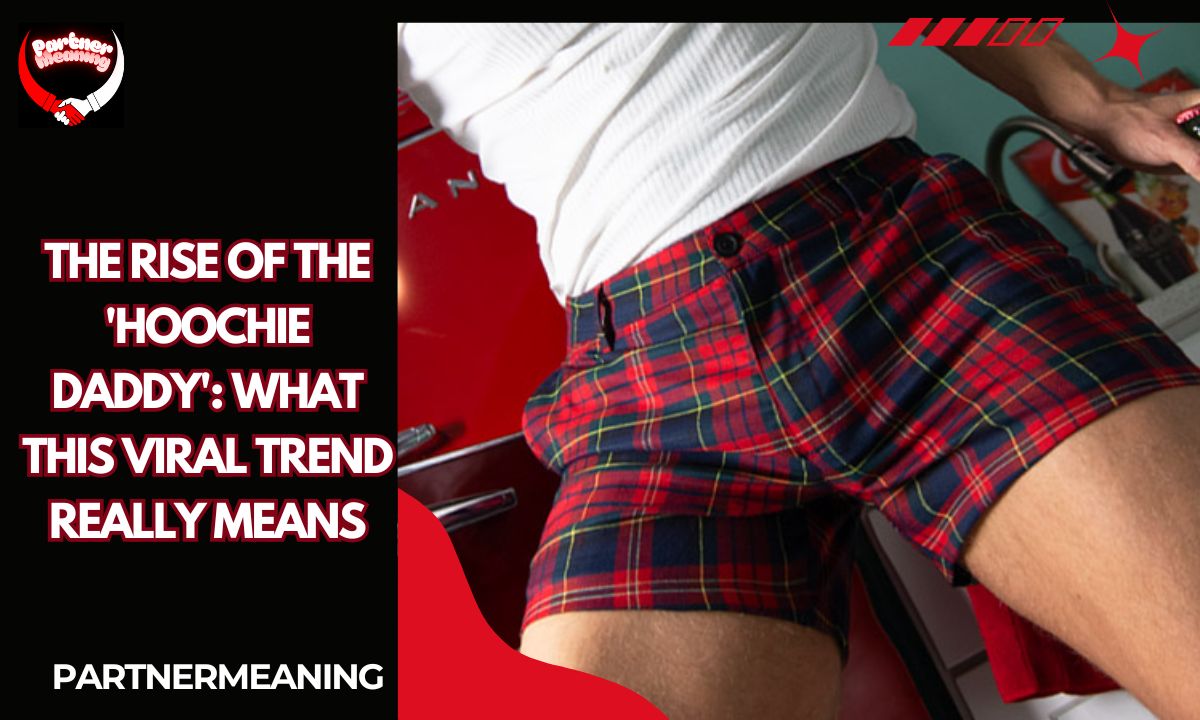
The term “Hoochie Daddy” has exploded in modern culture, referring to men who confidently wear very short shorts. It is often called the male equivalent of “Daisy Dukes,” inspiring men to embrace shorter inseams and show off their legs. This viral fashion trend is about body confidence and challenging traditional, longer men’s styles.
Hoochie Daddy shorts typically have an inseam of 5 inches or less, sitting several inches above the knee. The style is less about a specific fabric and more about the bold length and the attitude of the wearer. Ultimately, this guide confirms that the “Hoochie Daddy” look is a celebration of summer comfort and personal style.
What “Hoochie Daddy” Really Means Today
The “Hoochie Daddy” term has become a cultural shorthand for a specific look. It refers to men who confidently wear very short shorts, typically with a 5-inch inseam or less. This fashion choice is a bold statement of body confidence and summer style. It signifies a break from the long, baggy shorts that dominated men’s fashion for years.
Today, “Hoochie Daddy” is less a derogatory insult and more an affectionate, viral term. The look is often associated with the gym, beach, or casual summer outings. It embraces showing off one’s legs, challenging traditional norms of male fashion. The movement celebrates comfort, fun, and expressive personal style during warm weather.
The Origins of the Term “Hoochie Daddy”
The term “hoochie” has a historical context, often used to describe someone provocative. In the modern viral sense, the addition of “Daddy” gives the phrase a playful, confident edge. The precise origin is difficult to pinpoint but likely stems from African American Vernacular English (AAVE). It gained traction on social media platforms as a catchy, descriptive name for the short shorts trend.
Its initial use may have been slightly critical or humorous regarding the provocative length of the shorts. However, like many viral phrases, its meaning was quickly adopted and neutralized by the wearers. The term evolved from a potential critique into a badge of style and self-assurance. It perfectly captured the slightly audacious spirit of men intentionally wearing short shorts.
How Social Media Popularized Hoochie Daddy Culture
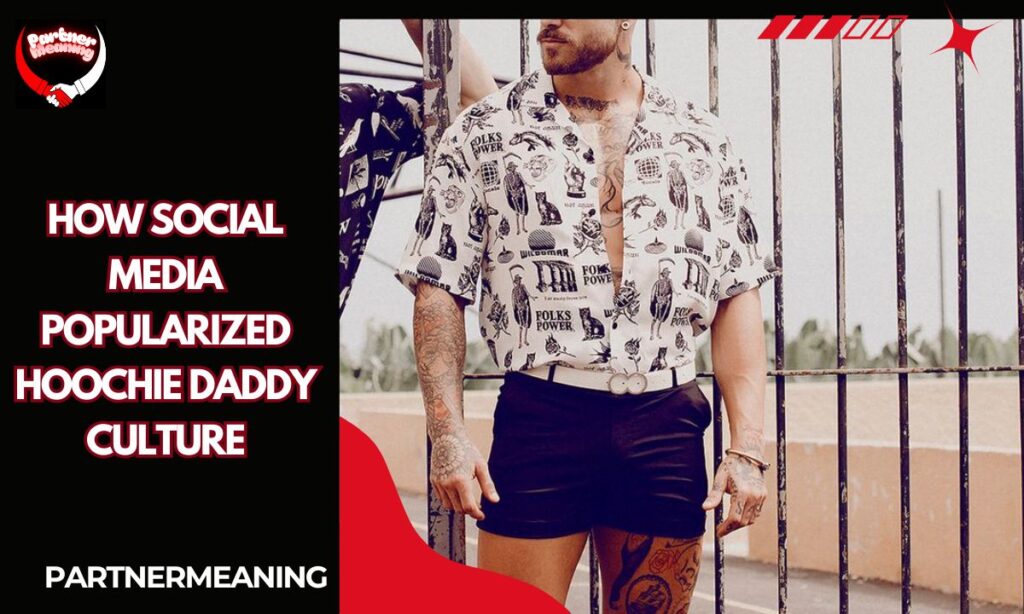
TikTok played the most significant role in propelling the term into mainstream culture. Challenges and humorous videos featuring men in short shorts went massively viral. Users created content celebrating the “Hoochie Daddy” look, often set to trending music. This amplified the visibility and acceptance of the shorter inseam across all demographics.
Platforms like Instagram and Twitter further cemented the phrase in the online lexicon. Influencers and fitness enthusiasts showcased the shorts, linking them to health and confidence. The accessible and shareable nature of social media made the trend ubiquitous almost overnight. It transformed the shorts from a niche item into a widespread summer fashion necessity.
Hoochie Daddy Shorts and the Rise of Summer Style Trends
The shorts directly tap into a broader cultural shift towards Y2K and retro fashion. Shorter lengths were popular in the 1970s and 80s, and the trend is a stylish revival. Designers and major clothing brands quickly responded to the online demand. They began stocking shorter inseams to capitalize on the rapidly growing “Hoochie Daddy” market.
This focus on shorter shorts emphasizes body positivity and comfort during the heat. The style is highly versatile, worn for running, lifting weights, or simply relaxing. It marks a collective move away from the baggy, knee-length cargo shorts of the early 2000s. The trend confirms that men’s summer style is embracing more form-fitting and revealing options.
The Cultural Impact of the Hoochie Daddy Movement
The movement has sparked important conversations about masculinity and self-expression. It challenges the outdated notion that men must adhere to overly conservative clothing norms. The willingness of men to show their legs is seen as a refreshing sign of fashion liberation. It encourages all body types to participate in the trend without feeling self-conscious.
The humor embedded in the term makes the fashion accessible and non-intimidating for new wearers. It fosters a sense of community among those who participate in the shared trend. The rise of “Hoochie Daddy” culture is an indicator of how quickly fashion can be democratized. Social media, not high fashion, dictated what the new summer uniform would be.
How the Term Evolved From Joke to Fashion Statement
Initially, the phrase carried an element of self-aware irony and playful exaggeration. Men might wear the shorts because they were slightly ridiculous or over-the-top. This irony quickly dissolved as the style became universally accepted and normalized. The shorts are now a genuine, foundational part of modern men’s casualwear wardrobe.
The widespread adoption by celebrities and athletes further legitimized the look. What started as an internet meme soon became a multi-million dollar segment of the apparel industry. The term transitioned from describing an outlier to describing a mainstream, popular choice. This evolution shows the power of viral culture to rapidly reshape fashion standards.
Hoochie Daddy vs. Daisy Dukes: Understanding the Difference
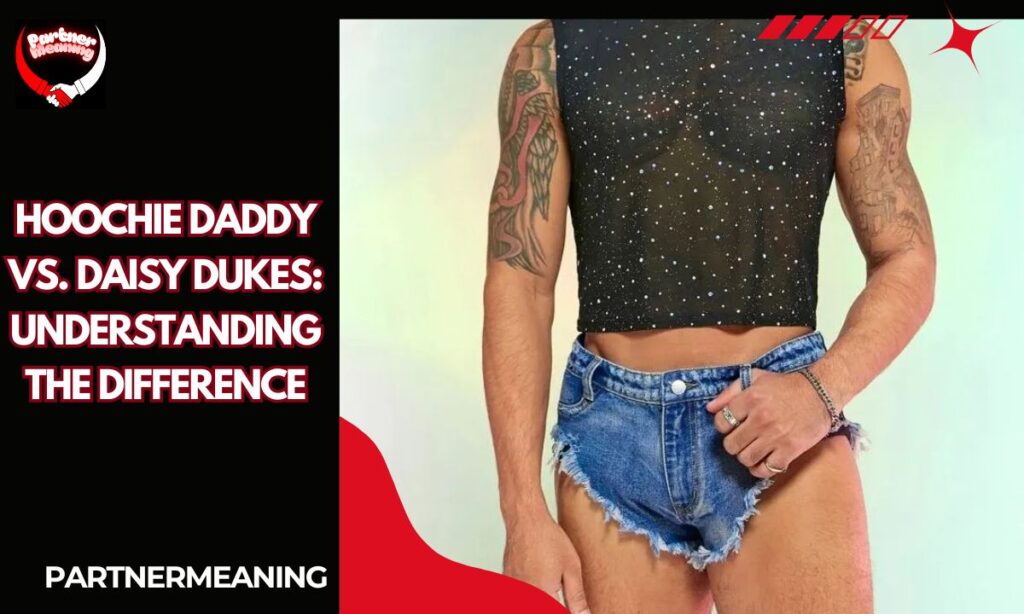
Daisy Dukes are the classic, high-cut, denim shorts specifically associated with women’s fashion. They are historically named after a character from The Dukes of Hazzard TV show. “Hoochie Daddy” is the modern, male parallel, primarily referring to any short-cut men’s short. The female version is typically denim cut-offs, while the male version is often athletic or cotton.
The core similarity is the emphasis on revealing the upper thigh for both genders. Both terms are defined by their provocative, confidence-demanding length. Daisy Dukes have been a staple for decades, whereas the “Hoochie Daddy” look is a newer viral phenomenon. The terms serve as gendered labels for the shared cultural concept of very short shorts.
Why Masculinity and Style Shifted Toward the Hoochie Daddy Look
A growing focus on health and fitness played a key role in the style’s shift. Men who work out want to showcase the results of their leg-day routines. The short shorts offer increased freedom of movement and less restriction during exercise. This practical and aesthetic benefit naturally propelled the style’s adoption.
The shift is also tied to a broader loosening of gendered fashion rules in Western society. Younger generations are less bound by the rigid sartorial codes of their fathers. They prioritize comfort, self-expression, and trends driven by their peers. The Hoochie Daddy style represents a modern, unapologetically confident masculinity.
Alternative Terms for “Hoochie Daddy” in Modern Fashion
“Thigh-grazers” or “Thigh-Highs” are more neutral, technical terms used by retailers and media. “5-inchers” is a straightforward nickname that references the standard inseam length of the shorts. “Euro-shorts” or “European Cut” are also used to reference the continent’s history with shorter men’s swimwear. “Athletic shorts” is a common catch-all, but the ‘Hoochie Daddy’ refers specifically to the short length.
Other slang terms like “Sky’s Out, Thighs Out” are often used to refer to the overall attitude of the trend. Retailers might simply label them as “Short Shorts” to maintain a neutral product description. However, none of these alternatives have the same viral traction or cultural weight as “Hoochie Daddy.” The playful, memorable name is part of the reason the style trended so powerfully.
The Future of Hoochie Daddy Style in Pop Culture
The style is likely to remain a dominant summer trend for the foreseeable future. It has transitioned past fad status into a recognized, established piece of seasonal wear. The term itself will continue to be a popular piece of online slang and cultural reference. We may see new variations, like shorter shorts in different fabrics or patterns.
Its presence in pop culture will be secured by continued celebrity endorsement and social media content. The cyclical nature of fashion suggests that the shorter inseam will hold its ground. It has effectively redefined what is considered an acceptable length for men’s shorts. The “Hoochie Daddy” has cemented its place as a symbol of modern, bold summer confidence.
Frequently Asked Questions
What does “Hoochie Daddy” mean?
It is a slang term referring to a man who confidently wears very short shorts, typically with a 5-inch inseam or less.
Is “Hoochie Daddy” considered offensive?
No, while the root term “hoochie” has a derogatory history, the modern phrase is widely used as a playful and celebratory term for a summer style trend.
Where did the term “Hoochie Daddy” start?
The term is believed to have roots in African American Vernacular English (AAVE) and was popularized on social media platforms like TikTok and Twitter.
Is it only used for men wearing short shorts?
Yes, it primarily refers to the male version of short shorts, though some use terms like “stoochies” for masculine-presenting lesbians.
What is “Hoochie Daddy Season”?
It refers to the summer months when it is appropriate and popular to wear the very short shorts.
Conclusion
The “Hoochie Daddy” phenomenon transcends simple short shorts, representing a cultural shift in male fashion. This vibrant, social media-driven term encourages men to embrace body confidence and expressive style, celebrating comfort and self-assurance. Far from a passing fad, it has cemented the shorter inseam as a staple of modern summer wear.

Hayyat is a passionate writer and researcher who loves exploring the beauty and depth of Arabic language and culture. With a special interest in Arabic names, Qur’anic words, and Islamic heritage, Hayyat aims to share meaningful insights with readers who appreciate names with purpose and history.