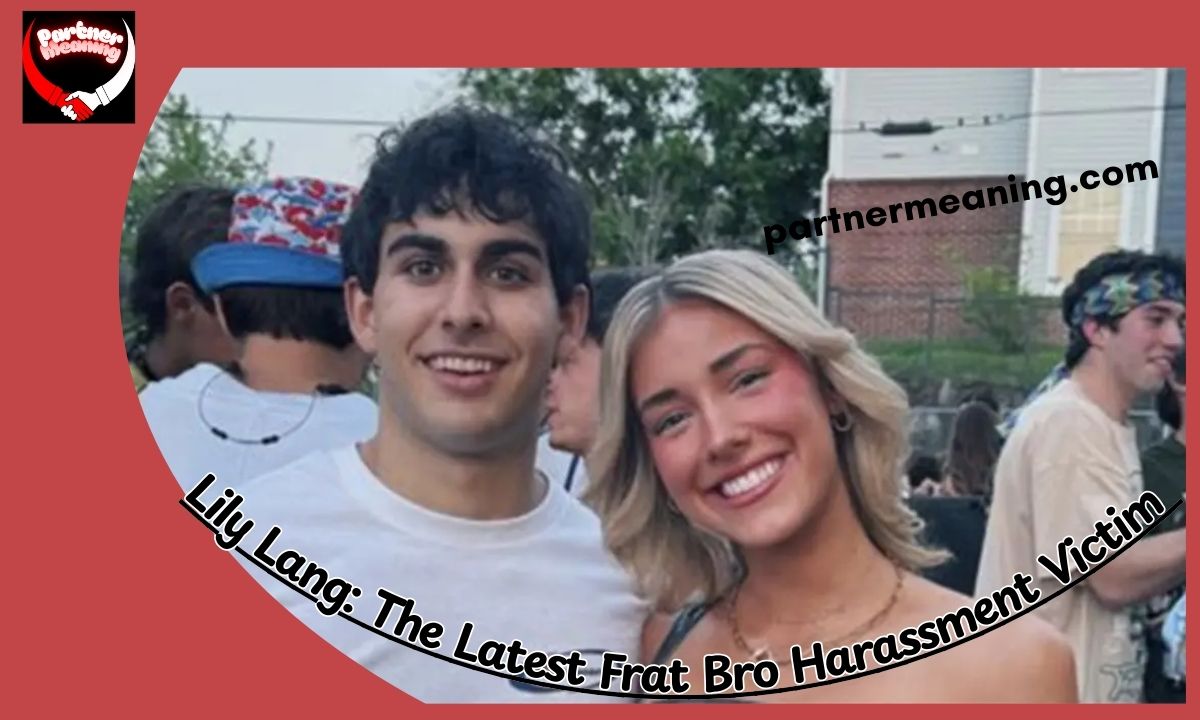
Lily Lang’s name is everywhere right now, but the story behind it is getting twisted fast. A rumor sparked by anonymous frat-linked accounts exploded into a full harassment wave. Now a college student is facing judgment from thousands of strangers over claims with no real proof.
The attention keeps growing even though nothing solid backs the accusations. What started as one post turned into a storm of misogynistic comments and memes targeting a young woman who didn’t ask for any of this. Her situation shows how quickly the internet punishes someone long before the facts ever surface.
Who Is Lily Lang? Understanding the Viral SEC Controversy
Lily Lang’s name jumped across social media in a way she never expected. A rumor turned her into the latest target of frat-driven online harassment, and the fallout hit her fast. Her story shows how quickly a young woman can lose control of her image once the internet decides she’s a trend.
Background of Lily Lang
Lily is a regular college student within the Southeastern Conference. She wasn’t a public figure or someone chasing attention online. She was known mostly within her campus circle, where she balanced classes, friendships, and the normal college experience. What made her vulnerable was simply existing in a space where frat culture and social media collide.
Her identity became public after people online began sharing her photos without consent. These images were taken from her social accounts and circulated with mocking captions. Every repost added a new layer of distortion to her real life. It didn’t matter who she actually was anymore; she became a character created by people who didn’t know her.
Why Her Name Went Viral Across the SEC
Her name spread after users tied her to a rumor involving students from different SEC schools. Once the Burnerverse accounts picked up her story, they pushed it through tweets, replies, and memes. The speed at which it traveled came from how interconnected these users are online. One post reaches dozens more within seconds, and before long it becomes a viral ecosystem.
The spread wasn’t organic; it was fueled by people who enjoy drama tied to college culture. They turned her into entertainment, ignoring the real person behind the name. Her trend wasn’t rooted in anything meaningful. It was simply a digital fire sparked by a group eager to pile on.
How Her Identity Spread Beyond Campus
Her story didn’t stay limited to SEC circles. The memes leaked into larger online communities, reaching users who had no idea who she was. Many people shared the memes without checking the context or questioning the accusations. This is how online reputations collapse—through effortless reposts that carry serious consequences.
As her name traveled, so did false claims tied to her. New narratives formed with each account trying to outdo the last. The result was a version of Lily that didn’t match reality, but matched what the internet wanted to believe.
What Sparked the Online Attacks Against Lily Lang?
Lily’s harassment began with a single reckless accusation. One user decided to frame her as someone who had been unfaithful, and the claim spread like wildfire. The moment that post went live, it became the foundation for an entire harassment campaign.
The Infidelity Rumor Started by Arthur Cacciatore
The accusation came from Arthur Cacciatore, a former fraternity member whose tweet suggested Lily had cheated with multiple men across the SEC. He offered no proof. He didn’t know her personally. He simply posted a photo of her with a claim designed to stir drama.
His post became the catalyst for everything that followed. People believed it because they wanted a scandal. They didn’t ask for context or facts. His words alone were enough to shift public perception entirely. From there, Lily’s personal life became a playground for strangers.
How a Single Post Escalated Into a Full Harassment Campaign
Once the rumor gained traction, it turned into coordinated trolling. Multiple accounts repeated the same claims, adding their own insults to keep the drama alive. They created memes, threads, and jokes that painted Lily as someone she wasn’t.
The harassment grew because:
- People enjoy sensational, fast-moving drama.
- Anonymous accounts face no consequences.
- Misogynistic online culture normalizes shaming women.
- Memes spread faster than clarifications or truth.
This is how one unverified post spiraled into widespread cruelty.
Inside the Burnerverse: The Toxic Frat Culture Behind the Pile-On
The Burnerverse is a digital environment shaped by anonymity and frat-influenced humor. It thrives on gossip, shaming, and viral moments that hurt real people. For Lily, it became the center of her worst online experience.
What the Burnerverse Is and Who Runs It
The Burnerverse consists of “burner” accounts—profiles created with no identifiable owner. Many users behind them have ties to fraternity culture, either as current members or graduates who still engage in college-focused online spaces. These accounts interact heavily with each other, forming a loose but influential network.
They specialize in spreading rumors about college students, especially women. Because their accounts can be abandoned at any time, they act without accountability. They treat harassment as entertainment, not as something that impacts a human being.
Why Women Become Frequent Targets in This Community
Misogyny is woven through the culture of this group. They create narratives that revolve around women’s bodies, relationships, and sexuality. A woman being rumored to have cheated becomes “fair game” for them. They target women because they assume women can be publicly shamed with minimal pushback.
Women become targets because:
- Their photos are easy to reuse in memes.
- Their personal lives attract curiosity from male-dominated groups.
- They face harsher judgment for sexual behavior than men.
- Harassers expect that a woman won’t fight back publicly.
Lily’s case followed these patterns perfectly.
The Role of Anonymous Frat-Linked Accounts in Amplifying Hate
Anonymous accounts give users freedom to escalate harassment without consequences. They can amplify accusations, create sexually suggestive memes, or invent stories with no fear of being traced. This structure made Lily’s situation much worse.
These accounts:
- Posted her photos out of context.
- Used sexist jokes to exaggerate the accusation.
- Encouraged others to join in.
- Created an echo chamber that made the rumor seem true.
Their anonymity fed the fire, allowing the harassment to grow with no resistance.
How Memes and Rumors Fueled the Lily Lang Smear Campaign

Memes turned Lily’s private life into public spectacle. They exaggerated the rumor, made fun of her appearance, and compared her to other viral women. These posts stripped away her privacy and replaced it with a digital caricature.
Misogynistic Patterns Seen in the Memes
The memes followed predictable sexist patterns. They implied she had a reckless sex life. They mocked her relationship. They portrayed her as someone undeserving of empathy. Every meme added another layer of damage that made the lies seem bigger.
Misogynistic meme patterns included:
- Labeling her as “easy” or unfaithful.
- Using her images to boost sexual jokes.
- Creating comparisons to other shamed women.
- Turning her into a punchline rather than a person.
These patterns turned the rumor into a spectacle people felt comfortable sharing.
Comparisons to Past Online Harassment Events
The situation mirrors previous online pile-ons where women were attacked over rumors or misunderstood clips. Gamergate, TikTok smear campaigns, and past sorority-related scandals followed the same structure. Lily’s case fits into a long history of women being targeted faster than the truth can catch up.
These events show a cycle:
- A woman becomes a topic of interest.
- A rumor is turned into content.
- Memes distort her identity.
- Harassment continues long after the truth fades.
Lily’s experience is part of a troubling pattern that keeps repeating.
The Real-World Impact of Viral Shame Culture on Young Women
The online hate forced Lily to lock down her accounts. She lost a sense of security in her own digital space. The stress of constant trolling impacts mental health, self-image, and trust in online communities. What was “content” for others became trauma for her.
Real-world impact includes:
- Anxiety and emotional distress.
- Loss of privacy and control.
- Fear of classmates or strangers recognizing her.
- Long-term reputation issues created from lies.
Her situation proves how destructive viral shame culture can be.
Why Lily Lang’s Case Shows the Danger of Online Misinformation
Lily Lang’s situation unfolded the same way many online scandals do. A rumor appeared, it spread faster than facts, and people treated it as the truth. Her story shows how misinformation can ruin someone’s reputation before they even have a chance to respond.
Rumors Treated as Facts Without Evidence
Rumor Spread Fast because people reacted emotionally instead of waiting for proof. The accusation that Lily cheated became viral even though it came from one anonymous user. Many assumed it was true simply because it matched the kind of drama they wanted to believe.
Memes Replaced Reality as users built narratives around her. Once the first few posts landed, others added their own assumptions, jokes, and insults. Every repost made the false image of Lily stronger. The truth became irrelevant because the story became entertainment.
People Ignored Context and didn’t check whether the accusation came from a credible source. This is the danger of online misinformation. False claims spread quickly, especially when they target a woman’s personal life. The lack of evidence didn’t matter. The drama was all that counted.
Consequences Lily Faced After Going Viral
Loss of Privacy happened overnight. Pictures of Lily were taken from her pages and reposted with mocking captions. Her name appeared in threads across platforms. She could no longer control how people viewed her because strangers were shaping her identity.
Emotional Stress Increased as the harassment grew. Being the center of viral hate is overwhelming for anyone, especially a college student. The barrage of comments, assumptions, and insults placed her under enormous pressure. Her normal life was suddenly replaced by fear of what people would say next.
Long-Term Damage Formed because internet content lingers. Even after the drama fades, screenshots and posts remain. Viral misinformation can follow someone for years. For Lily, the fear of future judgment may be the hardest part.
Why Going Private Was Her Only Option
Protecting Herself Online became a priority. With people swarming her accounts, setting them to private was the only way to stop strangers from digging through her life. It gave her a small layer of control during a chaotic moment.
Reducing Harassment was necessary because trolls were using her posts as fuel. By restricting access, she limited the ability of users to distort her photos or mock personal moments. Going private helped slow the spread of harmful content.
Creating Distance allowed her to regain emotional stability. When constant attention becomes toxic, stepping back is the only way to breathe. For Lily, locking her accounts wasn’t just a reaction; it was an act of self-preservation.
Does Any Evidence Support the Claims Against Lily?
The central question in Lily’s controversy is simple: Is there any proof she did what people accused her of? The answer remains unclear, and that uncertainty is exactly why the backlash was unfair.
Examining the Accusations
Claims Came From One Source with no verification. The person who posted about Lily didn’t offer screenshots, messages, or anything that confirmed the accusation. The lack of proof didn’t stop people from believing it, but it should have.
Anonymous Users Fueled the Fire without adding real evidence. As more accounts repeated the rumor, it created the illusion that the claim was credible. But repetition isn’t proof. It’s noise created by people who enjoy attention and drama.
No Concrete Proof Has Appeared despite the viral spread. Even the people claiming to “have a video” never confirmed its existence. These vague statements only increased suspicion but never delivered facts. The accusations remain speculation, not truth.
Why the Internet’s Reaction Was Disproportionate
Punishment Exceeded the Allegation by a wide margin. Even if Lily had cheated, it’s a private relationship issue. It doesn’t justify thousands of strangers shaming her online. The reaction became a spectacle that ignored normal human boundaries.
Harassment Became Entertainment for users who saw her as a character, not a person. Her real emotions and mental health didn’t matter. What mattered was how fun it was to share jokes about her. This imbalance shows how detached people become online.
Women Face Harsher Consequences for accusations related to sexuality. If a man cheats, he may get mocked briefly. If a woman is accused, she becomes a punchline that lasts for weeks. Lily received a level of backlash that went far beyond the scale of the rumor.
The Bigger Issue: How Women Are Targeted on Social Media
Lily’s case isn’t unique. It fits into a long pattern of women being judged quickly, harshly, and publicly. Social media often turns small mistakes—or even false rumors—into large-scale shaming events.
Patterns of Misogyny in Viral Pile-Ons
Women Become Easy Targets because discussions about their personal lives draw more attention. Harassers know they can provoke reactions by attacking women, especially on topics related to relationships or sexuality.
Sexist Narratives Spread Quickly and are rarely questioned. People were comfortable believing Lily had cheated with multiple men because the stereotype fit what they wanted to laugh at. Women are often boxed into narratives created by others, not shaped by facts.
Past Controversies Show a Pattern of the same behavior. Whether it’s a viral TikTok girl, a gamer, or a college student, the tone of the harassment is always similar. The mockery focuses on their choices, bodies, or romantic lives. Lily fell into the same cycle.
Why Even “Small Mistakes” Become Public Punishments for Women
Double Standards Intensify Judgment. A minor issue becomes a reason for large-scale shaming. Women face harsher moral expectations, and breaking them—even slightly—turns into a public spectacle. Lily’s supposed “mistake” became an excuse for misogynistic attacks.
Online Culture Rewards Outrage. Accounts get engagement when they say something extreme or mocking. Shaming women brings clicks, replies, and traction. Lily became a tool for people who wanted viral moments.
Young Women Lose Control Fast when rumors spread. Once the internet labels them, their real identity is overshadowed. The damage can last long after the trend dies. Lily will have to rebuild her online presence carefully because the internet acted without restraint.
Frequently Asked Questions
Who started the rumors about Lily Lang?
A former fraternity member named Arthur Cacciatore posted the original accusation online.
Why did Lily Lang go private on social media?
She received a surge of harassment, memes, and trolling that made her pages unsafe.
Is there proof Lily Lang cheated on her boyfriend?
No verified evidence has been released, despite online claims.
What is the Burnerverse?
A group of anonymous or semi-anonymous fraternity-linked accounts that often mock or shame people, mostly women.
Why did the memes spread so fast?
These accounts follow each other closely, allowing any rumor or meme to go viral instantly.
Did Lily do anything illegal or harmful?
No. Even if she made a personal mistake, the backlash was disproportionate and rooted in misogyny.
Conclusion
Lily Lang’s situation shows how fast a rumor can turn into a public storm. One claim with no proof was enough to drag her into a cycle of harassment she never asked for. The internet judged her before facts even appeared, and the damage spread far beyond her campus. Her case is a reminder that online shame culture hurts real people, and we all need to think before we join a viral crowd.

Hayyat is a passionate writer and researcher who loves exploring the beauty and depth of Arabic language and culture. With a special interest in Arabic names, Qur’anic words, and Islamic heritage, Hayyat aims to share meaningful insights with readers who appreciate names with purpose and history.