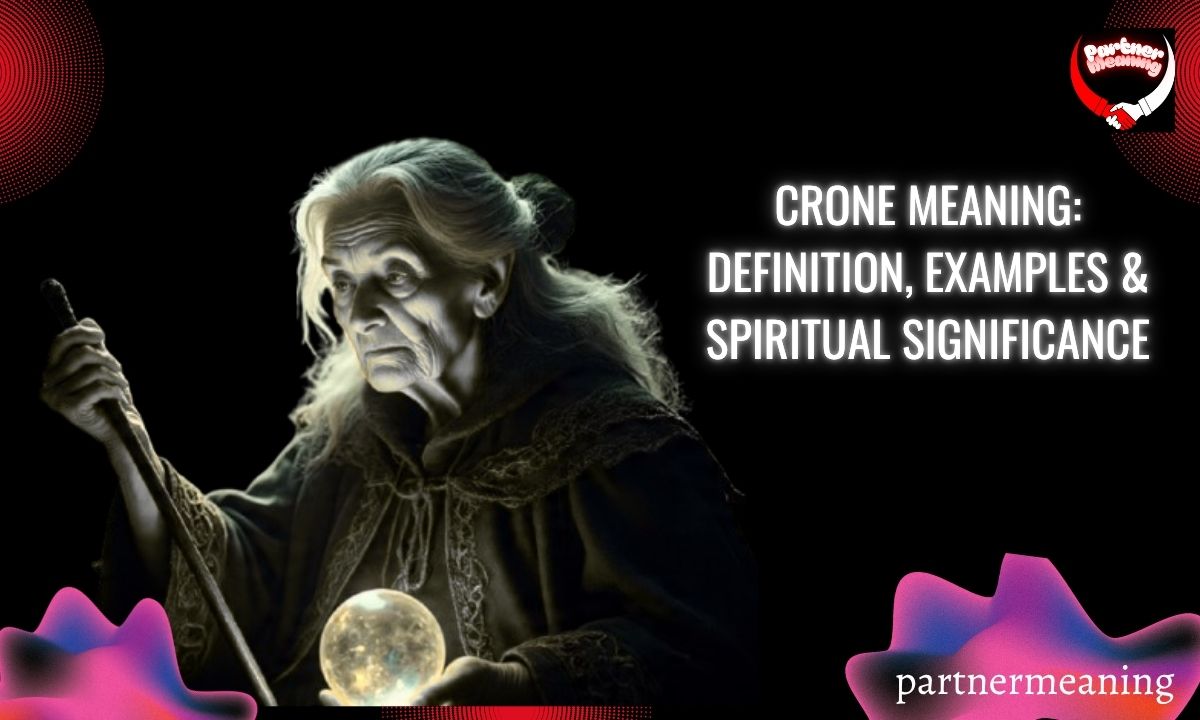
A Crone is more than just an older woman. She embodies wisdom, experience, and life lessons that come with age. In stories, spirituality, and culture, her role is both powerful and misunderstood.
From fairy tales to spiritual teachings, the Crone represents insight and guidance. She challenges society’s obsession with youth and reminds us that age can be a source of strength, clarity, and respect.
What is a Crone?
An older woman with wisdom: A crone is often depicted as an older woman who embodies experience, insight, and knowledge accumulated over a lifetime. She is not merely defined by age but by the maturity and perspective she brings to life’s challenges.
In folklore and modern culture, the crone is both respected and misunderstood, reflecting society’s complex view of aging.
A symbol beyond appearance: While traditional definitions emphasize thinness, unattractiveness, or harshness, the true meaning extends to wisdom and guidance. She represents the value of life experience, showing that growing older can bring clarity, resilience, and understanding.
Cultural archetype: The crone appears across myths, stories, and spiritual teachings as a figure of authority and insight. She often acts as a counselor, healer, or guardian, reminding people that age can enhance one’s ability to lead and nurture others.
Practical relevance today: In modern society, the crone symbolizes the potential and power of older women. With longer lifespans and greater societal influence, crones are increasingly seen as vital sources of mentorship, advice, and inspiration.
Crone in Literature and Folklore
A recurring character type: In fairy tales and myths, crones often appear as wise women, hags, or witches. They may challenge heroes, provide magical aid, or deliver critical knowledge. This duality shows both the fear and reverence societies hold for women who age with experience.
Teaching moral lessons: The crone’s presence in stories often serves as a reminder of the consequences of choices, beauty, or vanity. Tales like Snow White portray her as threatening, yet many stories celebrate her wisdom and protective guidance.
Literary evolution: Over time, literature has softened the negative image, emphasizing intelligence and spiritual insight. Writers today explore crones as mentors, healers, and independent women who defy stereotypes of invisibility in old age.
Symbol of resilience: The crone in folklore is not just a static figure; she reflects endurance, knowledge of life cycles, and the ability to navigate challenges. Her wisdom often guides younger characters and teaches readers the value of age.
Crone in Spirituality and the Triple Goddess
Part of the Triple Goddess: In Wicca and some neopagan traditions, the crone represents the final phase of the feminine cycle, alongside the Maiden and the Mother. She symbolizes endings, transformation, and the power of reflection.
The Dark Goddess aspect: The crone is associated with the Moon’s dark side, emphasizing mystery, intuition, and unseen knowledge. She embodies life’s hidden truths and the cycles of nature that humans often overlook.
Spiritual wisdom: Beyond rituals, the crone is a metaphor for personal mastery. She teaches the ability to see clearly with the heart, mind, and soul, offering insight into past, present, and future.
Guidance and transformation: Spiritually, engaging with the crone archetype encourages respect for aging, the development of inner strength, and the acceptance of life’s cyclical nature. She is a teacher, mentor, and guardian in the spiritual realm.
Crone in Modern Society
Relevance today: With aging populations and longer lifespans, crones are more visible and influential than ever. They bring leadership, mentorship, and social wisdom to families, workplaces, and communities.
Challenging stereotypes: Modern society often overvalues youth, overlooking the contributions of older women. Crone power challenges this bias, emphasizing that life experience is a form of authority and cultural capital.
Social guidance: Older women who embrace the crone archetype offer advice, mediation, and perspective during crises. They are natural mentors, helping younger generations navigate relationships, careers, and personal growth.
Empowerment through visibility: Recognizing the value of crones encourages societies to celebrate aging. Visibility and respect for older women’s contributions foster equality, wisdom-sharing, and community resilience.
Positive and Negative Connotations of Crone

Historical negativity: Traditionally, the term carried harsh descriptors like “withered,” “ugly,” or “cantankerous.” These definitions reflect societal fear and marginalization of aging women.
Modern positive meaning: Today, crone is increasingly associated with wisdom, guidance, and spiritual mastery. It celebrates experience, authority, and insight rather than merely physical appearance.
Context matters: The word’s tone varies depending on usage. In literature, it may be neutral or mystical; in conversation, it can be playful, sarcastic, or reverent.
Balancing perceptions: Understanding both the negative and positive connotations allows people to honor the crone’s strengths while challenging outdated stereotypes.
Crone Synonyms and Related Terms
Hag and witch: Often used interchangeably in stories, these words sometimes carry negative implications. They highlight fear, mystery, or malevolence associated with aging women.
Wise woman and sorceress: These synonyms emphasize positive traits like intelligence, guidance, and mystical knowledge. They align more closely with the modern understanding of a crone.
Contextual choice: Selecting the right synonym depends on tone, culture, and narrative intention. Words can reflect fear, respect, humor, or reverence.
Expanding vocabulary: Understanding these related terms allows writers, speakers, and learners to express the crone archetype accurately in both casual and formal contexts.
Crone Pronunciation and Etymology
Pronunciation: Crone is pronounced /kroʊn/. Correct pronunciation is essential for reading, storytelling, and communication.
Etymological roots: The word originates from Middle English caron and Old French carogne, initially meaning “old woman” or “carcass.”
Evolution of meaning: Over centuries, crone shifted from a derogatory label to a title recognizing wisdom, spiritual power, and life experience.
Symbolic transformation: Some scholars link the word to “crown,” connecting the crone to authority, insight, and the halo-like aura of wisdom depicted in religious art.
Crone Meaning in Different Cultures
Global folklore: Crones appear worldwide, from Norse myths to Cuban stories, reflecting diverse roles as protectors, healers, or cautionary figures.
Cultural significance: In some cultures, older women are revered as keepers of tradition, remedies, and family wisdom. In others, they are feared or marginalized.
Modern reinterpretation: Many cultures now recognize the crone as a symbol of guidance and resilience, celebrating the knowledge that comes with age.
Cross-cultural respect: Understanding crones across societies highlights universal themes: respect for elders, the importance of life experience, and the power of wisdom.
Crone in Slang
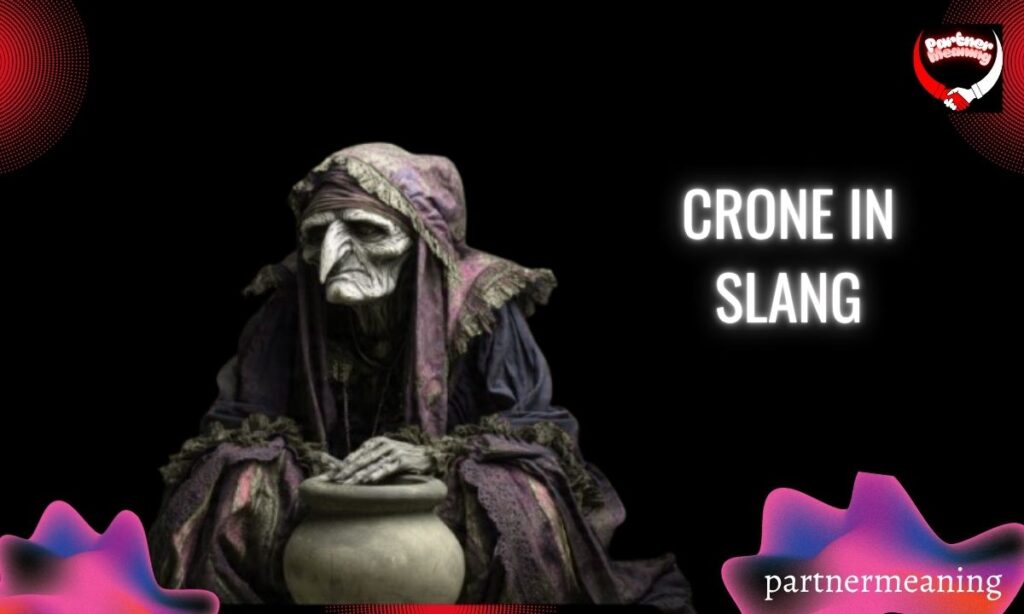
Playful usage: In casual contexts, crone may describe someone older or a little cranky, often humorously.
Less formal tone: Slang usage is lighthearted, softening the word’s historical negativity.
Cultural awareness: Understanding slang meaning helps avoid misunderstandings and adds nuance in social communication.
Balancing humor and respect: Even in slang, the term can acknowledge age while keeping conversation approachable and engaging.
Crone Examples in Sentences
Literary illustration: “The old crone lived at the edge of the forest,” shows the traditional depiction in fairy tales.
Everyday usage: “She felt like a crone after her children moved away,” highlights age and personal insight in modern speech.
Wisdom emphasized: Sentences can showcase the crone as a figure of guidance, advice, or life lessons.
Practical understanding: Using examples reinforces the nuanced meaning and helps readers integrate the word naturally into writing and conversation.
Crone Archetype and Symbolism
A symbol of wisdom: The crone archetype represents insight, guidance, and mastery of life experience.
Cycles of life: She embodies endings, transformation, and the natural flow of human existence.
Cultural resonance: The archetype appears in myths, literature, and spiritual teachings worldwide.
Empowerment: Recognizing the crone archetype encourages respect for older women and appreciation for accumulated knowledge.
The Role of Crone in Feminist Spirituality
Empowering older women: Feminist spiritual traditions celebrate croning rituals to honor wisdom and personal power.
Rite of passage: Becoming a crone symbolizes mastery, freedom, and life experience.
Mentorship and leadership: Crone figures guide communities, support younger women, and preserve cultural knowledge.
Spiritual significance: Embracing the crone challenges ageism and celebrates female empowerment through lived experience.
Cultural Perceptions of Aging Women
Societal bias: Many societies overvalue youth, marginalizing older women.
Redefining value: The crone archetype shifts focus from appearance to wisdom, resilience, and authority.
Visibility matters: Respecting older women enriches families, communities, and culture.
Positive impact: Changing perceptions encourages societal appreciation for contributions of elders.
Crone Wisdom and Life Lessons
Guidance through experience: Crones offer advice based on decades of lived challenges.
Mentorship and insight: They help others navigate relationships, careers, and personal growth.
Resilience and perspective: Crones model acceptance of life cycles and the importance of reflection.
Celebrating age: Life lessons from crones emphasize respect, responsibility, and the value of knowledge.
Frequently Asked Questions
What does crone mean?
A crone is an older woman, often highlighting age, wisdom, or experience.
How do you pronounce crone?
Crone is pronounced /kroʊn/.
Is crone a positive or negative word?
It can be both, depending on context—wise and respected or historically seen as harsh.
What is the spiritual meaning of crone?
Spiritually, a crone represents guidance, transformation, and life wisdom.
What is the difference between a witch and a crone?
A witch practices magic, while a crone is an older woman, often wise or mystical.
What is the Hindi meaning of crone?
In Hindi, crone is बुज़ुर्ग औरत or बुढ़िया, meaning an older woman.
What are common synonyms for crone?
Synonyms include hag, wise woman, sorceress, or witch, depending on context.
Final Words
The term crone goes beyond age, reflecting wisdom, life experience, and guidance. It honors older women’s contributions and challenges outdated stereotypes. Embracing the crone archetype encourages respect, insight, and the celebration of maturity. In stories, spirituality, and society, she remains a powerful symbol of strength and clarity.

Hayyat is a passionate writer and researcher who loves exploring the beauty and depth of Arabic language and culture. With a special interest in Arabic names, Qur’anic words, and Islamic heritage, Hayyat aims to share meaningful insights with readers who appreciate names with purpose and history.