The yellow ribbon has long stood as a quiet yet powerful symbol of hope, unity, and remembrance. From wartime traditions to modern awareness campaigns, it continues to connect people across causes and cultures. Its simple design carries deep emotion and shared meaning.
Over time, the yellow ribbon meaning has expanded beyond military support to include health awareness, advocacy, and remembrance. Whether tied around a tree or worn with pride, it reminds us of the strength of compassion and the importance of standing together through challenging times.
History of the Yellow Ribbon
The history of the yellow ribbon stretches back several centuries. What began as a simple piece of fabric has grown into a global symbol of support and remembrance. Across time, it has been tied, worn, and displayed to show unity, love, and hope.
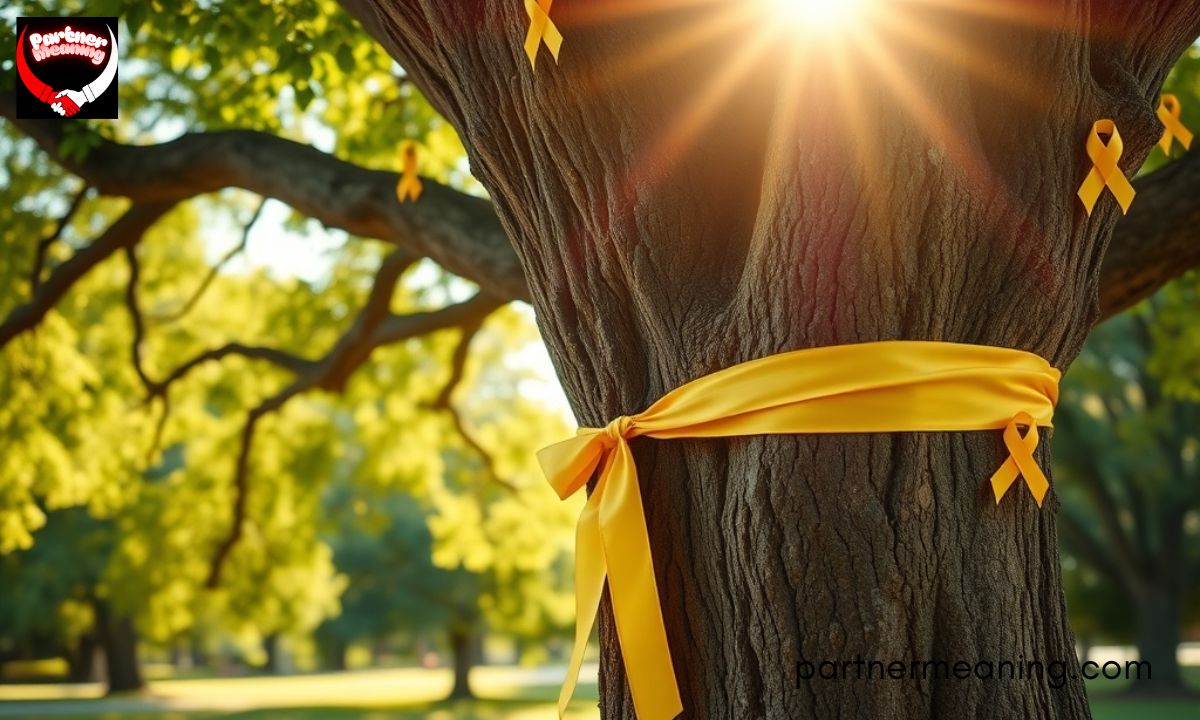
In the 17th century, yellow ribbons appeared on battlefields and in homes waiting for loved ones. Soldiers’ families often tied them around trees as a sign of faith and anticipation for safe returns. These acts later became powerful community traditions.
As centuries passed, the ribbon evolved from a military marker to an emotional emblem. Its meaning spread through literature, folklore, and music, transforming it into a lasting symbol of compassion that crosses generations.
Origin and Early Use
In early times, ribbons were used for identification, not emotion. Soldiers needed ways to recognize allies during chaotic battles. The Puritan Army of Oliver Cromwell famously wore yellow sashes during the English Civil War to show unity and loyalty.
This practical use of color became symbolic over time. Yellow began to represent hope, endurance, and waiting—especially for those longing for loved ones at war. It showed both recognition and remembrance in a single, visible gesture.
Example:
A wife tying a yellow ribbon around an oak tree was a way of saying, “I’m waiting for you.” It blended private hope with public expression, and that emotional act inspired centuries of continued use.
Modern Revival and Popular Culture
The modern revival of the yellow ribbon began in the late 20th century. During the 1979 Iran hostage crisis, Americans tied yellow ribbons outside homes to symbolize their hope for the hostages’ safe return.
This act captured hearts worldwide and reignited the ribbon’s popularity. In the 1990s Gulf War, families once again displayed yellow ribbons to support soldiers serving overseas. Media and songs strengthened its emotional impact.
Cultural Influence:
| Event/Period | Symbolic Use | Impact |
| Iran Hostage Crisis (1979) | Ribbons tied on trees and porches | National symbol of waiting and hope |
| Gulf War (1990s) | Community displays for troops | Strengthened unity and remembrance |
| Song: “Tie a Yellow Ribbon Round the Ole Oak Tree” | Musical representation of reunion | Globalized the symbol’s message |
Today, the yellow ribbon remains visible in public awareness events, reminding us of shared strength and collective care.
Symbolism of Yellow Ribbons
The yellow ribbon symbolism is rooted in hope, love, and unity. It represents the emotional connection between those separated by distance, conflict, or hardship. People use it to show that they stand with others in difficult times.
It is both personal and public—a quiet way to express love or solidarity. When displayed in communities, it unites people through shared emotion, reminding everyone that compassion has power.
- Hope – waiting for safe return or recovery
- Remembrance – honoring lives and sacrifices
- Support – standing with a cause or person
- Unity – building community through shared symbols
Through generations, the yellow ribbon has proven that small acts of empathy can leave a lasting mark.
Support for Military and Troops
The yellow ribbon and military connection runs deep in American culture. It became a heartfelt sign of support for soldiers away from home. Families tied ribbons on trees and homes to say, “We’re waiting for you.”
During major conflicts like the Vietnam War and Gulf War, communities used yellow ribbons to express faith and unity. It wasn’t just for families—it became a national gesture of gratitude.
Examples of Military Use:
- Ribbons displayed at memorials and parades
- Public buildings decorated to honor troops
- Charities selling yellow pins to fund veteran care
Even today, the ribbon stands as a symbol of respect and remembrance for those who serve or have served.
Awareness for Civilian Causes
Beyond the battlefield, the yellow ribbon supports many civilian causes. It raises awareness for missing children, suicide prevention, and disease awareness. Its visibility helps start conversations that lead to understanding and change.
When someone wears or displays a yellow ribbon, it’s a sign of solidarity and compassion. It shows care for others facing struggle or loss, reminding them they are not alone.
Main Civilian Causes Represented by Yellow Ribbons:
- Suicide prevention and mental health awareness
- Liver disease and cancer support
- Missing persons campaigns
- Community unity projects
This adaptability is what makes the yellow ribbon a universal emblem of care and connection.
Yellow Ribbon in Health Awareness
The yellow ribbon in health awareness is a vital tool for education and empathy. It symbolizes hope for recovery and support for patients facing life-changing diagnoses.
Used in hospitals, campaigns, and fundraisers, it connects patients, families, and advocates. It helps turn awareness into action by encouraging donations, research, and compassion.
Common Health Causes Linked to Yellow Ribbons:
| Health Cause | Purpose |
| Suicide Prevention | Encourage open mental health dialogue |
| Cancer Awareness | Promote research and patient support |
| Endometriosis | Raise awareness for underdiagnosed condition |
| Bladder Cancer | Support survivors and raise prevention awareness |
Each use shows how the simple yellow ribbon continues to bring light to important issues in society.
Cancer Awareness and Support
Yellow ribbons are powerful symbols in cancer awareness movements. They are most often linked to bladder cancer, bone cancer, and sarcoma awareness campaigns.
These ribbons help raise funds, promote early detection, and offer emotional strength to those affected. They remind patients and families that they’re part of a larger, caring community.
Example Campaigns:
- Bladder Cancer Awareness Month (May) – people wear yellow ribbons to show unity.
- Sarcoma Awareness Events – fundraising walks featuring yellow banners.
Through every campaign, the yellow ribbon represents hope for healing and courage to keep fighting.
Mental Health and Suicide Prevention
The yellow ribbon for mental health and suicide prevention stands as a global reminder that every life matters. It encourages open conversations about mental illness and aims to remove the stigma that keeps many silent.
Organizations and communities use it during events like World Suicide Prevention Day to spread awareness. It also serves as a comfort symbol for families who’ve lost loved ones, showing shared grief and hope for healing.
Key Messages Behind the Ribbon:
- You are not alone
- Speak up, seek help, and support others
- Together, we can prevent suicide
These small yellow emblems carry a message of understanding, compassion, and strength in the face of mental health struggles.
Other Health Conditions
Beyond cancer and mental health, the yellow ribbon supports several other health causes around the world. Each represents a call for awareness, research, and empathy toward those affected.
It’s used in campaigns for endometriosis, bladder disease, spina bifida, and bladder cancer. These efforts help patients feel seen and raise funds for medical advancement.
Examples of Yellow Ribbon Health Awareness:
| Condition | Awareness Goal |
| Endometriosis | Encourage early diagnosis and treatment |
| Spina Bifida | Support lifelong care and accessibility |
| Bladder Disease | Educate on prevention and treatment |
| Sarcoma | Raise research funding for rare cancers |
The versatility of the yellow ribbon shows its power to unite health causes under one message of care.
Awareness Ribbon Colors and Meanings
The awareness ribbon system uses colors to represent different social, medical, and humanitarian causes. Each hue tells its own story and connects people to specific missions of awareness and change.
The yellow ribbon often symbolizes hope, remembrance, and mental health support, but other colors hold equally deep meaning. Recognizing them helps people show solidarity in ways that are simple yet powerful.
Examples of Common Ribbon Colors:
- Red – HIV/AIDS and heart disease
- Pink – Breast cancer awareness
- Purple – Domestic violence and epilepsy
- Blue – Autism and child abuse prevention
- Green – Mental health awareness
This colorful system reminds us that compassion comes in many shades.
Popular Ribbon Colors and Causes
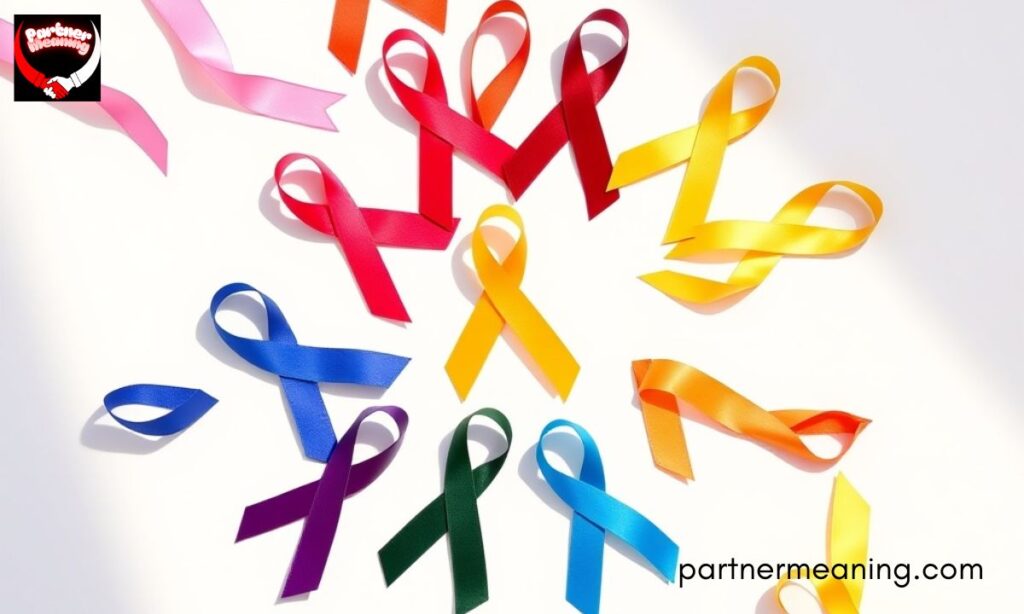
People often wear ribbons to show support for personal or community causes. These symbols appear at walks, parades, memorials, and fundraisers, turning awareness into public action.
The yellow ribbon remains among the most recognized, but colors like pink and red have also achieved global reach. Each represents a shared purpose and emotional connection between those involved.
Popular Ribbon Causes:
| Color | Main Cause | Message |
| Yellow | Support, remembrance | Hope and unity |
| Pink | Breast cancer | Love and awareness |
| Red | HIV/AIDS | Courage and action |
| Blue | Autism | Understanding and acceptance |
| Green | Mental health | Growth and recovery |
These small tokens show how color can speak louder than words.
Yellow Ribbon vs Other Ribbon Colors
The yellow ribbon differs from others because it carries both personal and national meaning. It’s used for soldiers, patients, and everyday people needing support. Few colors represent so many emotions at once.
While pink or red ribbons focus on specific diseases, yellow crosses multiple causes—from military remembrance to suicide prevention. It’s one of the most adaptable symbols worldwide.
Key Differences:
- Yellow – hope, remembrance, awareness
- Pink – health and survival
- Blue – empathy and protection
- Purple – justice and dignity
This broad symbolism makes the yellow ribbon timeless and universally understood.
Sociopolitical Role of Yellow Ribbons
The yellow ribbon also plays a political and social role. It often appears in movements demanding freedom, unity, or justice. Communities use it to express peaceful resistance or solidarity with the oppressed.
In some countries, yellow ribbons have been used during protests, elections, and reform movements. They act as non-violent signs of dissent, showing shared hope for change.
Examples:
- Philippines: Used during the 1986 “People Power Revolution.”
- Hong Kong: Worn by pro-democracy activists during the 2014 Umbrella Movement.
The ribbon has become a global voice for liberty and human rights.
Community Movements and Advocacy
In local communities, the yellow ribbon promotes awareness and empathy. It helps residents come together for causes like veteran support, missing persons, or mental health.
Schools, churches, and civic groups use it to organize campaigns, walks, and remembrance events. Its simplicity helps connect diverse people through shared emotion.
Common Advocacy Uses:
- Supporting local families of deployed soldiers
- Organizing suicide prevention walks
- Honoring missing persons through public displays
Through these actions, the yellow ribbon strengthens community bonds and shared hope.
International Symbolism and Projects
Globally, the yellow ribbon carries multiple interpretations. Some countries see it as a sign of solidarity and remembrance, while others view it as a symbol of peace or freedom.
International charities and NGOs have adopted the ribbon to promote awareness for humanitarian crises and health campaigns. Its visibility makes it an ideal global symbol.
Examples of International Use:
| Country | Meaning | Common Use |
| USA | Support for troops | Military and awareness events |
| Philippines | Democracy and reform | Political movements |
| South Korea | Hope for peace and reunification | Public displays and campaigns |
Across borders, the yellow ribbon links compassion with collective action.
Commemorative and Supportive Meanings
The commemorative meaning of the yellow ribbon honors lives lost and supports those still struggling. It’s often displayed during memorials, national days, and awareness weeks.
People tie ribbons to trees, fences, or clothing to keep memories alive. Each ribbon tells a story—of someone loved, missed, or remembered.
- Gratitude for service and sacrifice
- Comfort for grieving families
- Unity during national mourning
- Faith in healing and remembrance
Its lasting presence reminds communities that memory is a form of love.
Military and Veterans
For military families and veterans, the yellow ribbon is sacred. It represents loyalty, sacrifice, and the hope of reunion. From the Vietnam War to the present, it has stood for those who serve and those waiting for them.
Communities display it during deployment and homecoming ceremonies, and charities use it to support veteran care programs. The ribbon has become a visual promise of remembrance and gratitude.
Examples:
- Homecoming ceremonies featuring yellow banners
- Veteran support drives with ribbon pins
- Public memorials honoring fallen soldiers
The yellow ribbon continues to express a nation’s respect and emotional connection to its heroes.
Civil Rights and Advocacy
The yellow ribbon in civil rights symbolizes fairness, equality, and empathy. It’s used to promote justice for marginalized groups and remind societies of the value of inclusion.
Activists wear it to highlight freedom of speech, democratic rights, and humanitarian causes. Its non-confrontational appearance makes it a peaceful yet powerful statement.
Example:
During political imprisonment campaigns, yellow ribbons were tied around public buildings to demand justice and release of detainees.
Its quiet presence has helped turn compassion into civic action.
Remembrance and Mourning
The yellow ribbon in remembrance offers comfort during times of loss. It’s worn to honor the memory of loved ones—whether fallen soldiers, victims of illness, or missing persons.
People display it at memorials and anniversaries to say, “You are not forgotten.” It brings solace to grieving families and unites communities in shared remembrance.
Common Uses in Mourning:
- Funeral tributes and memorial trees
- Annual remembrance events
- Awareness days for lost loved ones
Through grief and reflection, the yellow ribbon remains a symbol of lasting love, strength, and remembrance.
Frequently Asked Questions
What does a yellow ribbon mean in the military?
It shows support, hope, and remembrance for soldiers serving away from home.
Why do people tie yellow ribbons around trees?
They symbolize waiting, love, and the safe return of someone missed or away.
How is the yellow ribbon used in health awareness?
It raises awareness for suicide prevention, cancer, and other health conditions.
What does a yellow ribbon symbolize in mourning?
It represents remembrance and honor for loved ones who have passed away.
What is the history behind the yellow ribbon?
It dates back to Puritan times and gained meaning through songs, wars, and social movements.
Conclusion
The yellow ribbon is a timeless symbol of hope, love, and solidarity. From soldiers and health campaigns to remembrance and social justice, it speaks a universal language of compassion. Though simple in form, its message is powerful—it reminds us to stand together, care deeply, and never forget those we hold in our hearts.

Hayyat is a passionate writer and researcher who loves exploring the beauty and depth of Arabic language and culture. With a special interest in Arabic names, Qur’anic words, and Islamic heritage, Hayyat aims to share meaningful insights with readers who appreciate names with purpose and history.