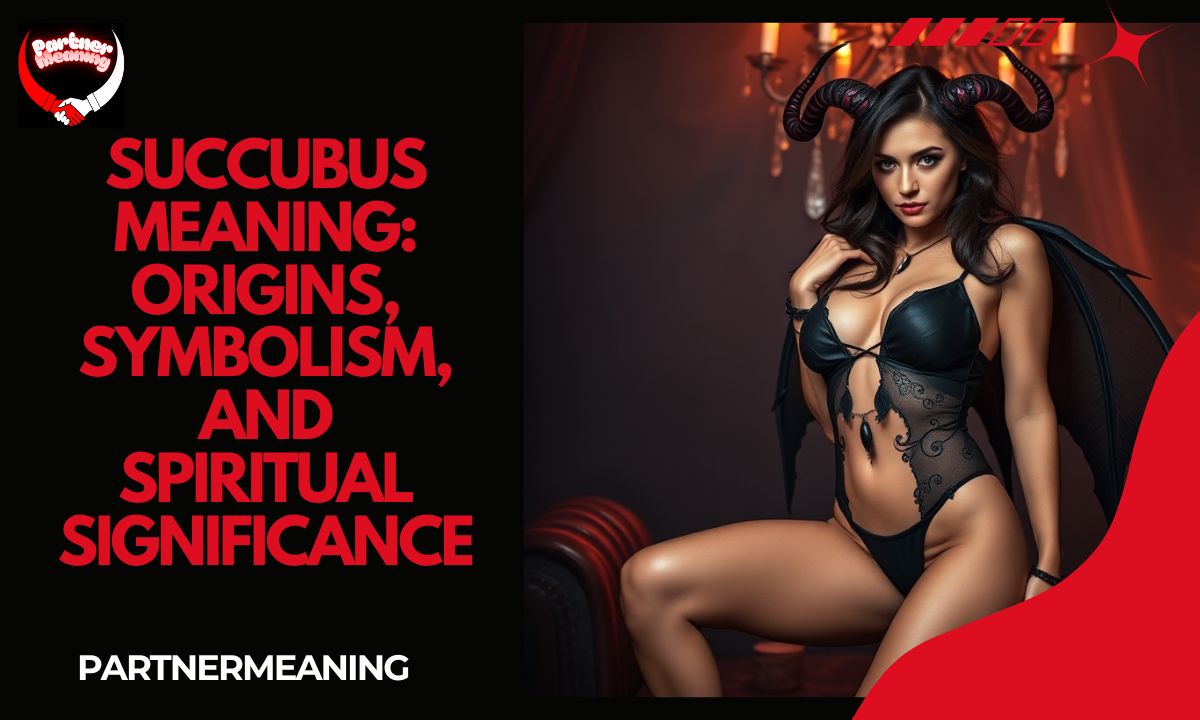
The succubus is a legendary female demon known for temptation and seduction. Across history, she has fascinated cultures with her mysterious and dangerous allure. From folklore to modern media, her story explores the fine line between desire and danger.
Rooted in ancient myths and biblical interpretations, the succubus symbolizes more than physical temptation. She represents spiritual struggle, moral weakness, and forbidden desires. Understanding her origins helps uncover humanity’s deepest fears and moral lessons.
“From ancient myths to modern tales, the succubus embodies the fine line between allure and danger.”
Origins and Historical Roots of the Succubus
The succubus has fascinated humans for centuries. She represents temptation, danger, and desire. Her roots span ancient myths and early folklore.
“Whispers in the night speak of the succubus, a demon of desire who lures dreams into shadows of temptation.”
Ancient Mesopotamian Legends and Lilith
In Mesopotamian myths, Lilith was one of the first female night demons. She prowled at night, preying on men and children. Lilith symbolized unchecked desire and rebellion, warning society about moral transgression.
Over time, her legend evolved into the concept of a succubus, combining beauty with deadly intent. She became a spiritual archetype, representing both power and fear.
Medieval European Beliefs and Thomas Aquinas
During the Middle Ages, theologians like Thomas Aquinas explored the nature of demons, including succubi. Aquinas argued that succubi could not reproduce independently. Instead, they collected human essence and transferred it to incubi.
This idea linked succubi to spiritual warfare. Medieval scholars feared these demons could erode faith and corrupt morality. Churches warned men to avoid temptation in dreams and maintain virtue.
Succubus in Folklore and Mythology
Folklore depicted succubi as seductive and dangerous. Men believed these demons visited them in dreams to drain life energy. Some stories described shape-shifting, claws, or tails hidden beneath human beauty. They were both feared and admired for their power. Stories also served as cautionary tales about sexual desire and vulnerability.
Biblical Meaning of Succubus
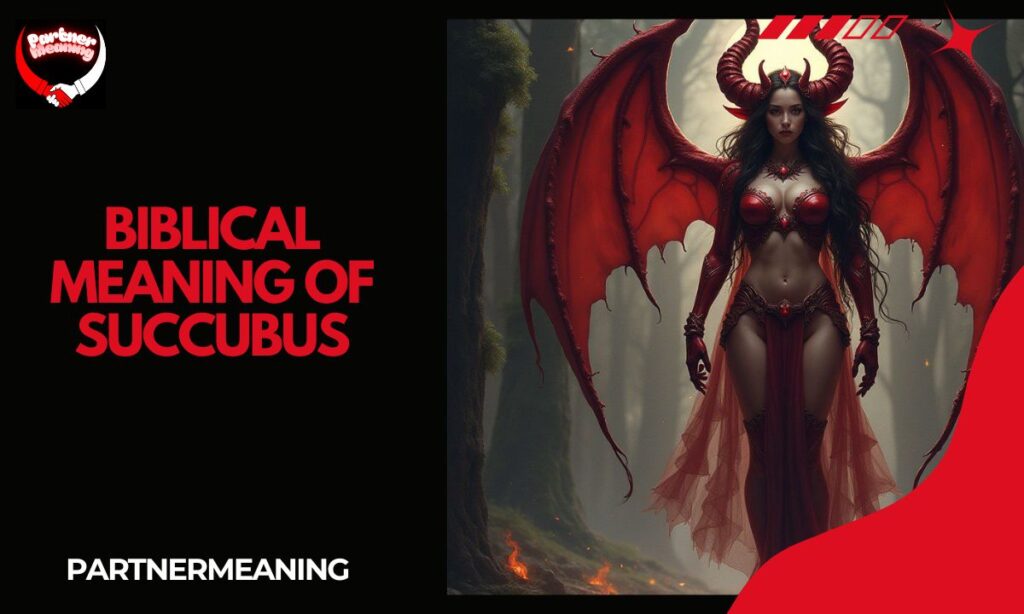
The Bible does not mention succubi explicitly. Still, some passages hint at spiritual temptation and sin. These verses influenced medieval interpretations of succubi.
References in Genesis, Proverbs, and Isaiah
Genesis 6:1-4 describes the Nephilim, born from the union of “sons of God” and human women. Some scholars link this to the succubus legend as a metaphor for forbidden desire.
Proverbs 2:16-19 warns against the “strange woman,” symbolizing temptation. Isaiah 34:14 mentions Lilith, a night demon associated with sin and spiritual danger. These passages became the foundation for biblical interpretations of succubi.
Spiritual Warfare and Moral Symbolism
In the biblical lens, a succubus represents spiritual deception and moral failure. She embodies the dangers of lust and indulgence. Medieval theologians viewed succubi as tools of Satan, designed to erode human faith.
They were less about physical seduction and more about corruption of the soul. Warnings about succubi reinforced the need for vigilance, prayer, and moral discipline in daily life.
Succubus Meaning in Arabic and Islamic Traditions
Islamic tradition contains a similar entity called the qarinah. Like the succubus, she preys on humans during sleep. Her role reflects fears of night spirits and spiritual harm.
The Qarinah and Night Spirits
The qarinah is an invisible spirit that can attack people in dreams. Those with “second sight” might see it as a cat, dog, or household pet. She is believed to drain energy or cause illness through nocturnal visits. Folklore warns that only certain individuals are affected. These spirits often symbolize temptation, danger, and unseen spiritual forces.
Cultural Practices and Protection Rituals
To protect against the qarinah, communities developed rituals. Common practices included:
- Sacrificing an all-black animal without prayers.
- Cooking the animal without salt and remaining silent during the process.
- Burying the offering in the house of the afflicted.
These rituals illustrate how cultural traditions combined fear of spiritual beings with practical methods of protection. They reflect human attempts to control supernatural threats and maintain spiritual safety.
Characteristics and Traits of a Succubus
A succubus is more than a seductive figure. She represents danger, power, and temptation. Her traits combine allure with spiritual influence.
Seduction and Dream Manipulation
Succubi are known for their ability to enter dreams and manipulate victims. They exploit desires, often without the person realizing it. Dream seduction allows them to drain energy subtly. These powers highlight both psychological and supernatural danger.
Energy Drain and Spiritual Corruption
One of the most feared traits of a succubus is life force consumption. Repeated contact weakens victims physically and spiritually. Over time, individuals may experience exhaustion, illness, or moral decline. This energy drain symbolizes the cost of indulgence in temptation.
Shape-Shifting and Immortality
Succubi are often portrayed as immortal and shape-shifting entities. They can appear as anyone their target desires, enhancing manipulation. Despite their beauty, their true form may include wings, claws, or tails. Immortality ensures they continue to influence generations of humans.
Symbolism and Allegory in Religion and Culture
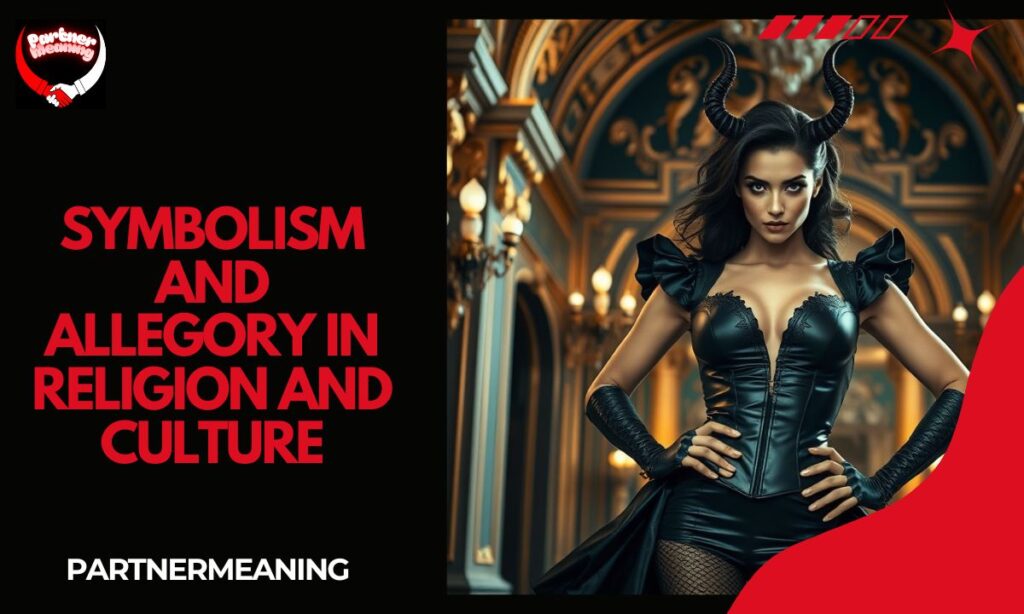
Succubi are not just literal demons. They also reflect temptation, moral struggles, and cultural fears. Their symbolism transcends folklore into lessons about human behavior.
Temptation, Lust, and Moral Lessons
Succubi embody unchecked desire and lust, warning against sin. Religious texts often equate seductive figures with moral danger. These stories encourage vigilance against temptation. They serve as allegories for spiritual decay and the consequences of indulgence.
Female Power and Spiritual Struggle
The succubus also represents female autonomy and spiritual influence. While traditionally feared, she shows how feminine power can challenge societal norms. In religious interpretations, this power can lead to moral conflict. She reflects struggles between authority, faith, and desire.
Modern Cultural Interpretations in Literature and Media
Modern works often depict succubi with complexity. They can be antiheroes or sympathetic characters. Literature, films, and games explore moral ambiguity and human temptation. These interpretations highlight evolving perspectives on sin, sexuality, and power.
Succubus in Modern Fantasy and Pop Culture
Succubi appear widely in contemporary media. They combine seduction, danger, and supernatural abilities. Their role varies across platforms and genres.
Video Games
In video games, succubi often act as enemies or allies.
- Diablo series: Uses charm and attacks to challenge players.
- Castlevania: Seductive illusions trap heroes.
- World of Warcraft: Summoned by warlocks as minions, using magic and distraction.
Their inclusion emphasizes strategy, danger, and allure in gameplay.
Literature and Novels
Books like Succubus Blues feature succubi as protagonists with moral dilemmas. They explore ethical conflicts between survival and conscience. These stories add depth beyond mere seduction. Characters struggle with desire, power, and responsibility.
Films and Television Shows
TV series like Lost Girl present succubi as complex characters. They balance human emotions with supernatural powers. Films often portray them as both villainous and relatable, blending fear and empathy. Their presence challenges traditional views on morality and desire.
Strengths and Weaknesses of a Succubus
Succubi are powerful yet not invincible. Their abilities make them formidable, but limits exist. Understanding both sides reveals their full influence.
Supernatural Powers and Influence
Succubi use seduction, energy drain, and shape-shifting to manipulate humans. They can subtly control thoughts, dreams, and emotions. This makes them effective in influencing individuals and shaping events. Their allure is both psychological and supernatural.
Limitations and Vulnerabilities
Despite strength, succubi depend on feeding to sustain power. They are susceptible to exorcism, holy symbols, or magic. Obsession with desire can make them predictable. These weaknesses ensure that even powerful entities have vulnerabilities.
Frequently Asked Questions
What is a succubus?
A succubus is a female demon or spirit believed to seduce men, often through dreams or temptation.
Are succubi mentioned in the Bible?
The Bible does not directly mention succubi, but some passages hint at spiritual temptation and moral danger.
How does a succubus differ from an incubus?
A succubus is female and targets men, while an incubus is male and targets women.
What is the spiritual meaning of a succubus?
Spiritually, a succubus represents temptation, lust, moral weakness, and spiritual corruption.
Can succubi appear in dreams or modern media?
Yes, succubi appear in folklore, dreams, and contemporary media like literature, films, and video games.
Conclusion
The succubus symbolizes the struggle between desire and moral discipline. She warns against indulgence and spiritual neglect. Her story reflects human fears, temptations, and the consequences of unchecked sin. Understanding her symbolism encourages vigilance, self-reflection, and reliance on faith.

Hayyat is a passionate writer and researcher who loves exploring the beauty and depth of Arabic language and culture. With a special interest in Arabic names, Qur’anic words, and Islamic heritage, Hayyat aims to share meaningful insights with readers who appreciate names with purpose and history.