The word “elope” once conjured images of secret runaways defying parental wishes for a hasty, forbidden marriage. This outdated definition painted elopement as a scandalous, last-minute decision made in shame or desperation.
Today, the meaning has entirely evolved; an elopement is now a deliberate, intimate wedding experience chosen by couples prioritizing their relationship and adventure over the stress of a large, traditional event. It represents freedom, personalization, and a commitment focused purely on each other.
What Does Elope Mean Today?
To secretly run away with someone to get married, often without telling others beforehand.
In casual text or online conversation, “elope” signifies a couple getting married privately, secretly, or spontaneously, conveying intimacy, romance, and a playful sense of rebellion against traditional wedding norms.
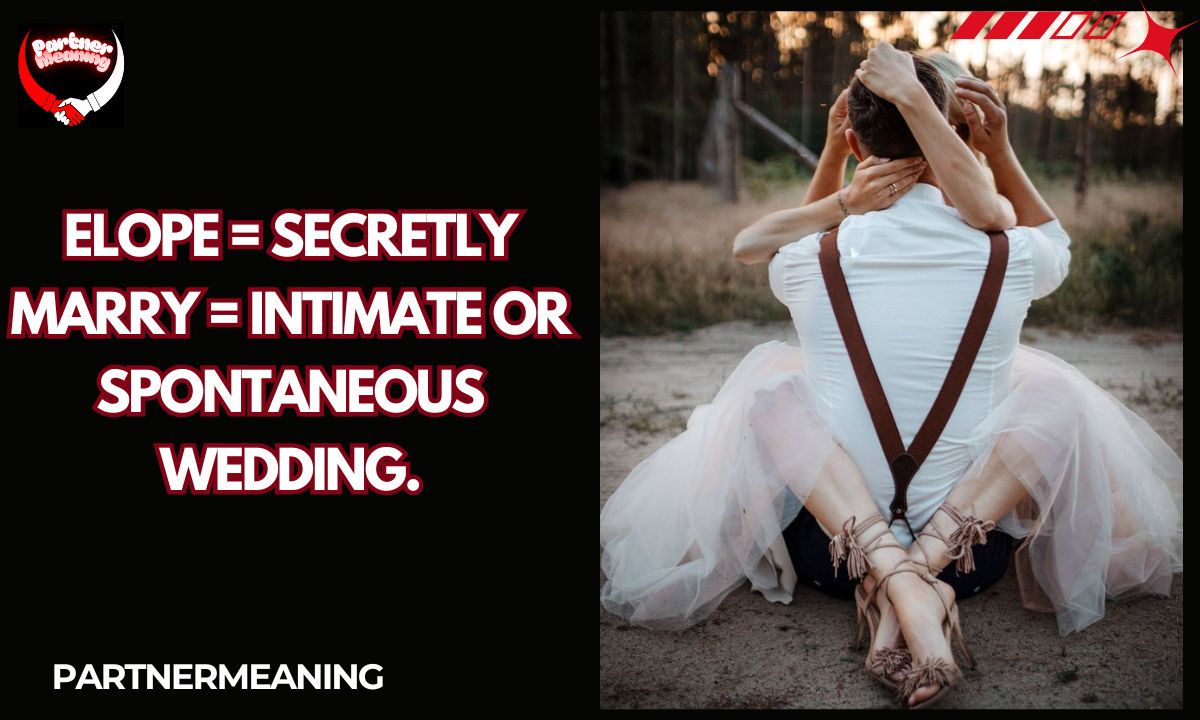
In short: Elope = secretly marry = intimate or spontaneous wedding.
Modern Trend: Elopement is romanticized as a choice for intimacy and adventure rather than rebellion, allowing couples to favor experiences over large, traditional weddings.
The meaning of “elope” has been completely transformed from its historical roots. It no longer implies a scandalous, secretive, or rushed marriage done against family wishes. Today, eloping is best described as choosing to have a small, intentional, and experience-focused wedding ceremony.
This modern definition centers on the couple’s desires, prioritizing intimacy and personalized adventure over a large guest list and formal production. It is a deliberate decision to craft a meaningful day where the focus remains entirely on the commitment being made.
How the Meaning of Eloping Has Changed Over Time
Historically, the word “elope” carried strong negative connotations of secrecy and rebellion. It meant running away, usually to marry without the necessary parental or societal consent that was legally or socially required. This historical context is why some older generations still associate the term with shame or disapproval.
The modern shift began as couples sought alternatives to the stress and high cost of traditional weddings. The term has been fully reclaimed and romanticized, moving away from a forced, last-minute act to an empowering, planned-out, and beautiful choice. This change reflects a wider societal value on authenticity and personal experience.
Why Couples Choose to Elope in 2025
The decision to elope in the modern era is driven by a deep desire for authenticity and simplicity. Couples want their wedding day to truly reflect their relationship and shared values, free from external pressures. They are actively seeking an experience that is meaningful, stress-free, and purely focused on their union.
| Factor | Traditional Wedding Pressure | Reason for Choosing Elopement |
| Stress | Coordinating large guest lists, vendors, and complex logistics. | Planning is simplified; focus is on a few core elements like location and photography. |
| Cost | Average cost exceeds $30,000, driven largely by venue and catering. | Significantly lower cost ($3,000–$15,000), freeing up funds for travel or investments. |
| Time | The day often feels like a blur; hours spent catering to guests. | The entire day (or multiple days) is spent fully present and enjoying the adventure. |
| Authenticity | Feeling obligated to uphold traditions or invite distant relatives. | Freedom to customize every moment and activity, making the day truly personal. |
Elope vs Traditional Wedding: Key Differences Explained
The primary distinction between an elopement and a traditional wedding lies in the scale and focus of the event. A traditional wedding centers around hosting a large number of guests and managing complex social dynamics. The celebration is often defined by a rigid timeline, strict etiquette, and high production value.
An elopement, conversely, is characterized by its minimal guest count (typically under 10) and its commitment to the couple’s experience. It allows for spontaneity, adventure, and the freedom to spend a significant portion of the day on meaningful activities rather than hosting obligations.
The Rise of Intimate and Intentional Elopements

The surge in elopement popularity stems directly from the desire for intimacy over spectacle. Couples are choosing to invest in the quality of the experience and their memories, rather than the quantity of guests or floral arrangements. This movement views the wedding as a deeply personal rite of passage.
Intentional elopements are carefully planned, often over several months, ensuring every detail reflects the couple’s personality. These ceremonies frequently take place in epic, adventurous, or private destinations, turning the wedding day into a profound shared journey.
What “Elope” Means in Texting and Social Media
In digital communication, “elope” is used casually to denote a private, romantic, or spontaneous marriage. It is a quick, exciting term often paired with celebratory emojis like 💍❤️ or an exotic location emoji 🏝️. The term in text is lighthearted and often used to announce news with a touch of playful secrecy.
When scrolling through social media, the phrase often functions as an aspirational hashtag, showcasing stunning photography of couples in beautiful landscapes. The online meaning emphasizes adventure and intimacy, instantly conveying that the marriage was kept small and personal.
Where the Word “Elope” Is Most Commonly Used Online
The word “elope” is most prevalent across platforms designed for sharing personal news, aspirations, and visual content. It thrives where couples tell their unique stories and visually express their freedom.
- Social Media Platforms (Instagram, TikTok, Threads): Used frequently in captions and hashtags to share stunning visual content of adventure elopements and destination weddings.
- Wedding & Lifestyle Blogs: Essential terminology in articles explaining modern wedding trends, planning guides, and vendor features.
- Casual Messaging (Texting, WhatsApp): Used between friends and family to casually announce or discuss a private marriage decision.
Real Reasons Couples Prefer Elopements Over Big Weddings
Couples consistently cite several core reasons for rejecting the traditional wedding model. These decisions are not made lightly; they are driven by a conscious prioritization of mental and financial well-being over tradition.
- Financial Freedom: Avoiding the high five-figure cost of a traditional wedding allows couples to use those funds for a down payment on a house, travel, or starting a family.
- Stress Avoidance: Eliminating the immense pressure of pleasing a large guest list, managing complicated seating charts, and coordinating dozens of vendors simultaneously.
- Focus on the Commitment: Ensuring the entire day is centered on the couple’s vows and emotions, rather than feeling like hosts performing for an audience.
- Flexibility and Customization: The ability to plan activities that truly resonate, such as hiking a mountain, kayaking, or having a private ceremony at a favorite spot, without logistical constraints.
- Family Dynamics: Bypassing complex or stressful family politics, drama, or unwanted input on decision-making.
Elope Planning Guide: What You Need to Know
Planning a modern elopement, while simpler than a wedding, still requires intentional steps to ensure a legal and memorable day. The process moves quickly and prioritizes securing key elements over extensive logistics.
1. Define Your Vision and Guest List:
- Decide on the vibe (adventure, backyard, destination) and the time of year that feels right.
- Finalize your guest count—remember, keeping it under 10 is the standard for a true elopement.
- Discuss how you will communicate your decision to family and friends respectfully.
2. Secure Location and Key Vendors:
- Choose your location—national parks, private Airbnbs, or international destinations are popular.
- Hire an experienced elopement photographer first, as they often double as expert planners for remote locations.
- Book any other essential vendors, like an officiant (if needed) and specialized guides or florists.
3. Address Legal Requirements:
- Research the marriage license laws for your chosen location, including any necessary waiting periods.
- Determine if the location requires a Special Use Permit (common in national parks and protected areas) and apply early.
- Confirm the need for witnesses—some states allow self-solemnization, while others require one or two.
4. Plan the Day’s Experience:
- Create a detailed, yet flexible, timeline that covers the entire day, not just the ceremony.
- Schedule activities that reflect your relationship, such as hiking, private dining, or reading letters from family.
- Don’t forget the small, meaningful details, like personal vows, a private first dance, or a unique cake smash.
Legal Requirements When You Elope

Understanding the legal groundwork is the most critical step when planning an elopement. Regardless of how spontaneous your ceremony feels, the marriage must be legally recognized in the location where you exchange vows.
This involves securing a marriage license, which requires researching the specific application process, necessary documents, and any waiting periods imposed by the local jurisdiction.
Beyond the license, couples must also confirm the requirements for officiants and witnesses. Some locations, like Colorado, allow self-solemnization, meaning the couple can marry themselves without an authorized official, or they may permit unique witnesses.
Other areas require an ordained minister or judge, and typically one or two witnesses to sign the official paperwork, even for the most private ceremonies.
Modern Elopement Styles Around the World
Modern elopement styles are incredibly diverse, moving far beyond the image of a quick courthouse ceremony. They reflect the couple’s personality and their passion for shared experiences. The current trend favors immersive, multi-day adventures that combine the ceremony with honeymoon travel.
Globally, elopement styles vary from romantic city escapes in places like Paris or Venice to rugged adventure elopements involving hiking, jeeping, or helicopter rides in remote locations. This variety means an elopement can be customized for any climate or activity level, making the day truly reflective of the couple’s lifestyle.
Popular Destinations for Eloping in 2025
Popular elopement destinations in 2025 are driven by picturesque scenery, accessibility, and unique legal options. National Parks across the US remain top choices due to their dramatic backdrops and the simplicity of obtaining permits for small ceremonies. The American West, including destinations like Yosemite, Zion, and the Rocky Mountains, is highly sought after.
Internationally, couples favor locations that offer both stunning beauty and ease of travel. Iceland, known for its dramatic glaciers and waterfalls, and Italy’s Amalfi Coast and Dolomites, providing beautiful Mediterranean and mountain views, are common choices. These locations offer a blend of adventure and romance, appealing to couples seeking a memorable backdrop.
Myths About Eloping Most People Still Believe
One of the persistent myths is that elopements are inherently rushed or signify a lack of commitment. This is entirely false; modern elopements are often meticulously planned for months, with every detail designed to maximize emotional impact and minimize stress. The intentionality behind the small ceremony demonstrates a profound commitment to the relationship itself.
Another enduring myth is that eloping must be done in total secrecy and that guests are never allowed. In reality, most couples share their plans with close family or friends, and elopements typically allow up to 10 guests to attend. The goal is intimacy, not secrecy, and excluding an audience allows the couple to focus fully on their commitment.
How to Announce Your Elopement in 2025
Announcing an elopement today is a deliberate and celebratory process, often treated like a stylish media reveal. Couples move away from simply sending a written announcement and instead focus on a visual, emotionally compelling share online. This often involves a professional photo or video snippet from the ceremony.
Common methods include sending out “We Eloped!” cards featuring stunning wedding photos, or utilizing social media platforms like Instagram and TikTok for a big reveal with cinematic reels. Many couples also host a relaxed “reception party” or dinner shortly after the ceremony to celebrate with a larger circle of family and friends.
Cultural Views and Family Reactions to Elopement
Cultural views on elopement remain varied, and family reactions are often the most difficult aspect of the decision. While modern Western society increasingly accepts eloping as a romantic choice, some cultures still hold the historical view of it being disrespectful or shameful, especially if it bypasses traditional rituals. This difference often requires careful communication.
Successful elopers often preempt negative reactions by having open, respectful conversations with their parents and close relatives before the event. They clearly articulate why they are choosing an intimate ceremony—to reduce stress or focus on commitment—and offer ways for family to feel included, such as via video calls or a future celebration.
Cost Comparison: Eloping vs Traditional Weddings
The financial difference between eloping and having a traditional wedding is one of the most compelling reasons for the modern trend. The average traditional wedding cost often exceeds $30,000, with the majority spent on guest-related expenses like catering and venue rental. This financial burden is the primary source of wedding planning stress.
In contrast, elopements typically range from $3,000 to $15,000, with the largest expenditure shifting to high-quality photography, travel, and accommodation. This massive cost difference allows couples to save money or reinvest a significant sum into their future, providing financial freedom that a large wedding would consume.
Creative Ideas for an Unforgettable Elopement Day
An elopement’s core advantage is the freedom to design a day that is entirely unique and meaningful. Instead of being confined to a venue’s schedule, couples can turn their ceremony into a bespoke adventure. Creative ideas include starting the day with a sunrise ceremony at a remote location followed by a picnic breakfast.
Other unforgettable concepts involve planning multi-day celebrations, such as a two-day backpacking trip where the ceremony takes place on a mountain peak, or a boat charter for vows on the water. These activities ensure the wedding day is not just an event, but a profound and lasting memory of a shared adventure.
Pros and Cons of Eloping for Today’s Couples
The benefits of eloping are significant, centered on stress reduction, cost savings, and complete personalization of the wedding day. The primary pro is the ability to focus solely on the emotional commitment without the distractions, drama, or financial strain associated with a large event. Eloping guarantees an intimate and authentic experience.
Eloping does present challenges. The main con is the potential for family disappointment or friction, which can require emotional navigation. Other drawbacks include the lack of a large, communal celebration and the need to follow specific, often complex, legal requirements if marrying abroad or in a national park.
How Social Media Has Transformed Elopement Trends
Social media has fundamentally changed how elopements are perceived and executed. Platforms like Instagram and TikTok serve as both an inspiration board and a proof-of-concept, showcasing that elopements can be stunning, celebratory, and highly desirable. This visual evidence has cemented the modern, romantic definition.
The rise of professional elopement photographers, whose work thrives on these platforms, has created a demand for high-quality, adventurous destination ceremonies. Social media has effectively destigmatized the act of eloping, turning it into a beautiful, aspirational trend that prioritizes experience and authenticity.
Frequently Asked Questions
What does elope legally mean?
Elope legally means obtaining a valid marriage license and fulfilling the witness/officiant requirements of the location chosen.
Does eloping have to be secret?
No, eloping does not have to be secret; most modern couples share their plans with close family and friends.
Is eloping cheaper than a regular wedding?
Yes, eloping is significantly cheaper, typically costing $3,000–$15,000 compared to the $30,000+ average of a traditional wedding.
Can you elope with guests?
Yes, modern elopements often include guests, usually limited to 10-20 close friends or family members.
Can you elope in another country?
Yes, you can elope internationally, but you must thoroughly research the foreign country’s legal marriage and residency requirements.
Is eloping disrespectful to family?
Eloping is only disrespectful if communication is handled poorly, but it is not inherently disrespectful as it’s a personal choice.
What does elope mean in texting?
In texting, “elope” means to get married privately, spontaneously, or intimately, often conveyed with romantic emojis.
How do couples announce an elopement?
Couples typically announce an elopement using high-quality professional photographs on social media or printed announcement cards.
Conclusion
The meaning of elope has definitively shed its historical shame, fully embracing its modern identity as an intentional, adventure-focused, and intimate way to wed. Today’s couples select elopement to maximize personalization, minimize stress, and ensure their commitment is the absolute focus of the entire wedding experience.
This choice reflects a cultural shift toward prioritizing genuine emotional value over societal expectation, making elopement a powerful statement of relationship priority.

Hayyat is a passionate writer and researcher who loves exploring the beauty and depth of Arabic language and culture. With a special interest in Arabic names, Qur’anic words, and Islamic heritage, Hayyat aims to share meaningful insights with readers who appreciate names with purpose and history.