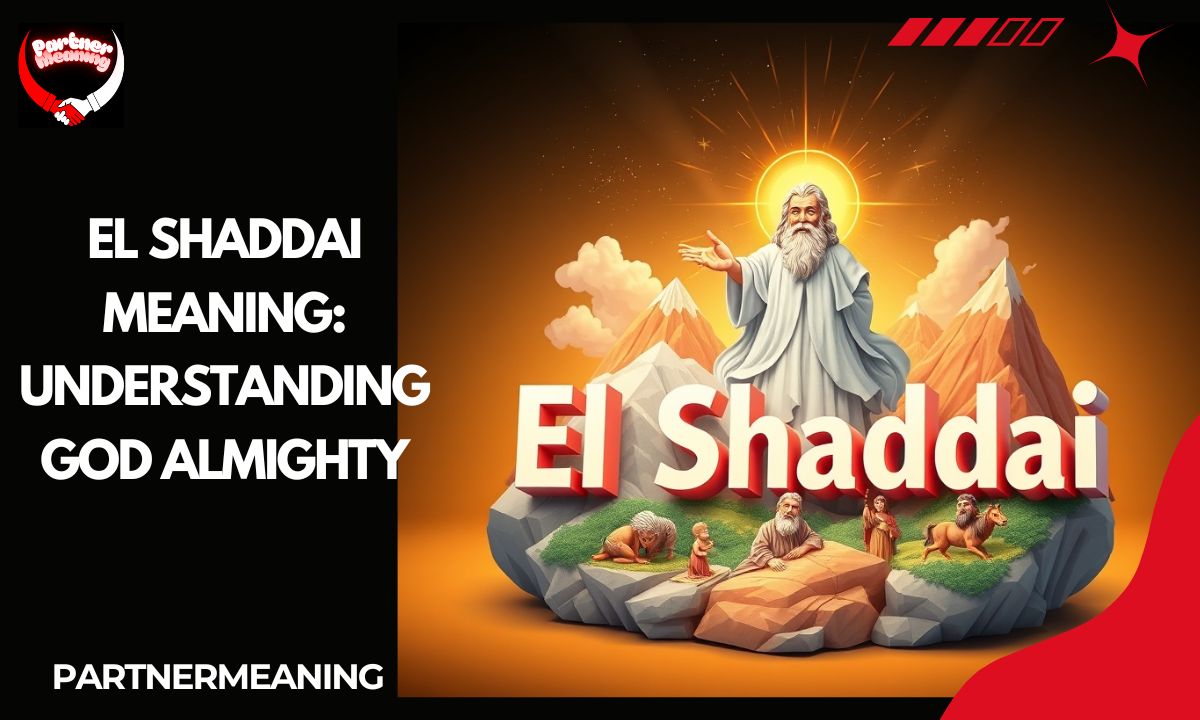
El Shaddai is one of the most powerful names of God in the Bible. It is often translated as God Almighty or the All-Sufficient One. This name shows God’s ability to provide and protect completely.
The name first appears when God spoke to Abraham, Isaac, and Jacob. It emphasizes His faithfulness and His power to fulfill every promise. Knowing El Shaddai helps us trust God in every part of our lives.
What Does the Name El Shaddai Mean?
The name El Shaddai is one of the most profound names of God in the Bible. It is commonly translated as God Almighty or All-Sufficient God. This name highlights God’s power, provision, and protection. It reminds us that nothing is beyond His control.
El Shaddai conveys more than just strength. It also shows God’s ability to fulfill His promises completely. When He speaks, His word is final, and His plans cannot fail. Understanding this name helps believers trust God fully in every situation.
Bible Question: Where Is El Shaddai Found in the Bible?
The name El Shaddai appears primarily in the Old Testament. It is mentioned in passages that emphasize God’s covenant with His people. Key references include Genesis, Exodus, and Ezekiel. These passages show God as faithful, mighty, and life-giving.
Bible Answer: God Is El Shaddai
God revealed Himself as El Shaddai to emphasize His almighty power. He is not limited by human weakness. His promises are sure, and His provision is complete.
El Shaddai as the Almighty and All-Sufficient God
El Shaddai is not only almighty but also all-sufficient. This means God can meet every need of His people. His power extends to the physical, emotional, spiritual, and intellectual aspects of life. He is able to bring life, blessing, and protection.
Meaning of El Shaddai
The literal meaning of El Shaddai is debated, but it reflects God’s might and sufficiency.
- Almighty One: God has power over all creation.
- All-Sufficient Provider: He meets every need completely.
- Covenant Keeper: His promises are unbreakable.
- Life Giver: God sustains and blesses His people.
- Overcomer: He triumphs over challenges and obstacles.
- Protector: His presence guards and shields His people.
Why El Shaddai Was Revealed to the Patriarchs
God revealed Himself as El Shaddai to Abraham, Isaac, and Jacob. He used this name to assure them of His power and faithfulness. At their stage, they needed to trust God’s promises fully, even when circumstances seemed impossible.
This name communicated that God could bring life to the barren, multiply nations from a single man, and protect them. It was enough for them to believe, obey, and walk faithfully with God. By revealing Himself as El Shaddai, God prepared the patriarchs to trust His plans completely.
Biblical Context and Occurrences
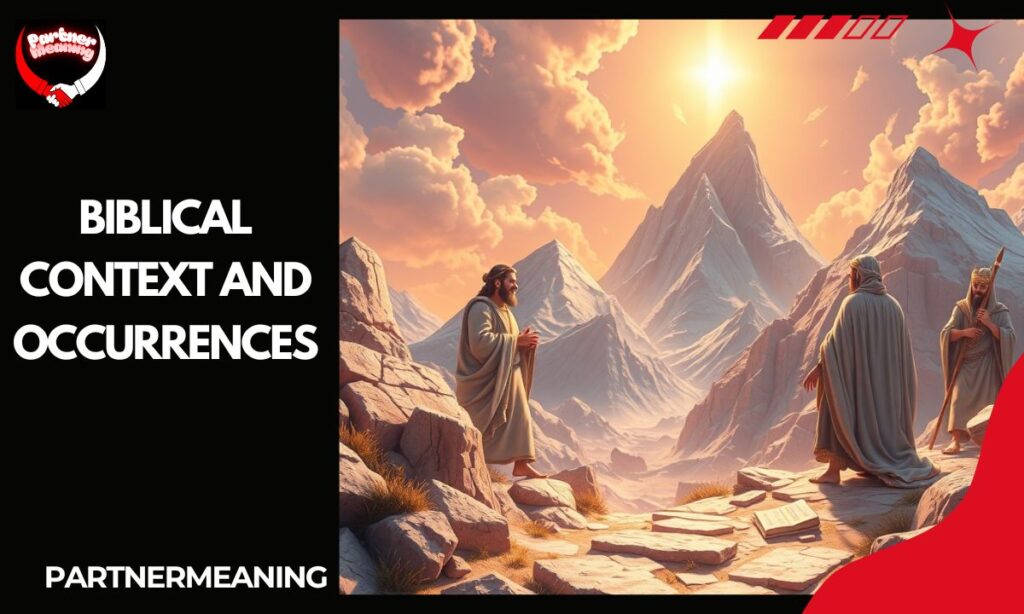
The name El Shaddai appears mostly in the Old Testament, emphasizing God’s almighty power, sufficiency, and covenant faithfulness. It highlights God’s ability to fulfill His promises, provide for His people, and overcome obstacles. The name first appears with Abraham, Isaac, and Jacob, showing a personal and covenantal relationship. Later references demonstrate its role in blessing, guidance, and protection throughout Israel’s history.
Genesis: Abraham, Isaac, and Jacob
El Shaddai first appears in Genesis 17:1-2, when God speaks to Abraham:
- “When Abram was ninety-nine years old, the Lord appeared to Abram and said to him, ‘I am God Almighty; walk before Me faithfully and be blameless’” (Genesis 17:1).
- Genesis 28:3 – Isaac blesses Jacob: “May God Almighty bless you and make you fruitful and increase your numbers until you become a community of peoples.”
- Genesis 35:11 – God speaks to Jacob: “I am God Almighty; be fruitful and increase in number. A nation and a community of nations will come from you, and kings will be among your descendants.”
- Genesis 43:14 – Jacob prays for his sons: “And may God Almighty grant you mercy before the man so that he will let your other brother and Benjamin come back with you.”
- Genesis 48:3-4 – Jacob blesses Joseph’s children: “God Almighty appeared to me at Luz in the land of Canaan, and there He blessed me.”
These passages consistently show God as Almighty, covenant-keeper, and life-giver, emphasizing His power and faithfulness.
Exodus and Beyond
In Exodus, God primarily reveals Himself as Yahweh, the God who saves, yet He retains the identity of El Shaddai in relation to His promises. Exodus 6:2-3 says:
- “God also said to Moses, ‘I am the Lord. I appeared to Abraham, to Isaac, and to Jacob as God Almighty, but by my name the Lord I did not make myself known to them.’”
This highlights a distinction: El Shaddai emphasizes might and sufficiency, while Yahweh emphasizes deliverance and salvation. God’s word through El Shaddai ensures the fulfillment of His covenant, showing both strength and reliability.
Other Old Testament References
El Shaddai also appears in:
- Job 5:17 – “Blessed is the one whom God corrects; so do not despise the discipline of the Almighty.”
- Ruth 1:20-21 – Ruth praises El Shaddai for providence and protection.
- Ezekiel 10:3-5 – The sound of the wings of the cherubim is described as the voice of God Almighty.
These passages reinforce God’s dominion, covenant faithfulness, and life-giving power across Scripture.
The Name El Shaddai
The name El Shaddai conveys God’s might, sufficiency, and covenant faithfulness. It assures believers that God’s promises will come to pass, no matter the circumstances. The Old Testament consistently presents El Shaddai as trustworthy, omnipotent, and nurturing, reflecting His dual role as both over-powerer and life-giver.
The name also underscores God’s sovereignty over all creation and His ability to provide completely for His people. It is more than a title—it is a revelation of His character, power, and nurturing care.
Cultural and Ritual Use
Jewish Traditions: Mezuzah, Tefillin, and Circumcision
- Mezuzah: Shaddai is written on the parchment and casing, symbolizing protection for the home.
- Tefillin: Knots and letters form part of Shaddai, connecting the wearer spiritually to God’s authority.
- Circumcision: Shaddai marks the covenant, representing faithfulness and divine blessing (Genesis 17:10-14).
Apotropaic Use in Amulets and Plaques
El Shaddai appears on amulets and plaques to ward off evil and invoke blessing. These devices symbolize God’s sufficiency and protective power in daily life.
Etymology and Interpretations
Shaddai as Over-Powerer
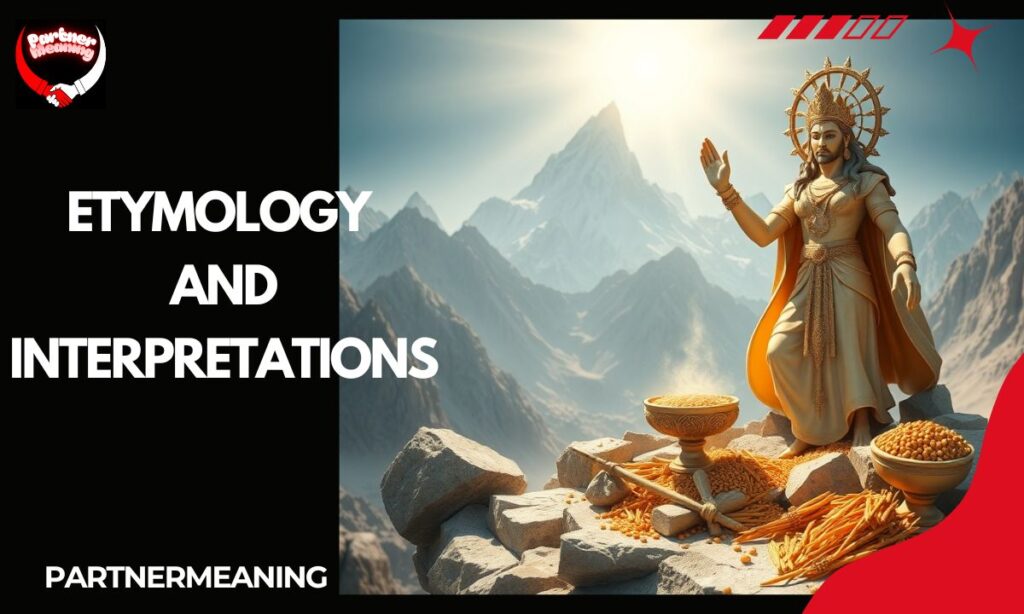
The root implies strength and dominance. God overcomes obstacles, enemies, and challenges, emphasizing almighty authority (Isaiah 54:17).
Shaddai as Life-Giver (Breast Imagery)
The Hebrew word shad means breast, symbolizing nourishment and sustenance. El Shaddai provides fully for His people, spiritually and physically (Genesis 17:1-8).
Shaddai as God of Mountains or Wilderness
Some scholars connect Shaddai to mountains or wilderness, symbolizing God’s majesty, untamed authority, and holy dwelling (Ezekiel 28:14).
Shaddai as “Enough” or Sufficient One
In Jewish tradition, Shaddai is He who says ‘enough’, showing that God alone can fulfill every need (Haggadah, Dayeinu).
Name and General Meaning
- “El Shaddai is Almighty God, unstoppable and all-powerful.”
- “El Shaddai provides fully for every need.”
- “El Shaddai keeps His covenant with perfect faithfulness.”
- “El Shaddai nourishes and sustains His people.”
- “El Shaddai rules over creation, mountains, and wilderness.”
- “El Shaddai declares enough; His sufficiency is complete.”
This shows that El Shaddai is more than a name—it is a revelation of God’s power, care, and covenant promises.
What Is the True Meaning of El Shaddai?
The name El Shaddai is one of the most profound titles of God in the Bible. It emphasizes God’s almighty power, sufficiency, and covenant faithfulness. Unlike other names of God, El Shaddai highlights His ability to fulfill His promises completely, regardless of circumstances. The literal meaning is debated among scholars, ranging from “God Almighty” to “God of the Mountains” or “God who suffices.”
El Shaddai is not just a name; it represents God’s personal relationship with His people. When He revealed Himself as El Shaddai to Abraham, Isaac, and Jacob, it was to show that His promises could be trusted absolutely. The patriarchs relied on this name to know God as powerful, nurturing, and faithful. It symbolizes divine authority combined with care, a theme consistent across the Old Testament.
What Is the Purpose of El Shaddai?
The purpose of revealing God as El Shaddai is to instill confidence and faith in His followers. It reassures believers that God is all-powerful, all-sufficient, and always present. By using this name, God demonstrates His ability to overcome obstacles, provide for needs, and bring promises to fulfillment. Genesis 17:1-2 shows God speaking to Abraham: “I am God Almighty; walk before Me faithfully and be blameless.”
El Shaddai also serves as a covenantal name, reminding believers of God’s faithfulness to His promises. It comforts those facing impossible situations. The patriarchs’ experiences teach that faith in El Shaddai is trusting God’s word above human limitations. His purpose extends beyond individuals; it highlights God’s plan to bring blessing, fruitfulness, and protection to entire nations.
El Shaddai—Shades of Meaning
Almighty, Promise-Keeper, Overcomer
El Shaddai reflects multiple aspects of God. He is Almighty, with authority over all creation. He is the Promise-Keeper, ensuring that His words never fail. He is the Overcomer, defeating sin, death, and every obstacle. Job 5:17 says, “Blessed is the one whom God corrects; so do not despise the discipline of the Almighty.”
- Almighty: God demonstrates absolute power over creation.
- Promise-Keeper: He fulfills covenants with Abraham, Isaac, and Jacob.
- Overcomer: Nothing can thwart His plans or purposes.
This combination makes El Shaddai a name of both reverence and comfort.
How Is God Mighty?
God’s might is visible in both creation and history. When He speaks, events unfold as He intends. Genesis 1:3 says, “And God said, ‘Let there be light,’ and there was light.” The same authority is seen in His covenant promises, where the seemingly impossible becomes possible. His might is not only physical but also spiritual and moral, showing that God’s power extends over all dimensions of life.
El Shaddai Through the Old Testament
Throughout the Old Testament, El Shaddai appears to reinforce God’s covenant and sufficiency. Examples include:
- Genesis 28:3 – Isaac blesses Jacob through God Almighty.
- Exodus 6:3 – God identifies Himself as El Shaddai to Moses before revealing Yahweh.
- Ruth 1:20-21 – El Shaddai demonstrates providence and protection.
Each appearance confirms that God is faithful, mighty, and sufficient.
Contending with the Almighty
Encountering El Shaddai often evokes awe and humility. Humans cannot fully comprehend His power. In Genesis 32, Jacob wrestles with God and receives a blessing. This story illustrates that humans can engage with God, but His authority remains supreme and decisive.
Does Our Culture Discount El Shaddai?
Modern society often underestimates God’s power and sufficiency. People may rely on human solutions rather than trusting the Almighty. Yet Scripture calls us to remember that God alone can provide, protect, and accomplish what we cannot (2 Corinthians 12:9).
The Almighty Invites Us to Trust Him
El Shaddai encourages believers to depend fully on God. His promises are sure, and His might is unfailing. Walking with Him means trusting that He can meet every need, overcome every challenge, and fulfill every promise.
The Paradox of Might and Humility
Though God is all-powerful, He exercises mercy, patience, and care. El Shaddai’s might is not oppressive but purposeful and nurturing. Believers are invited to experience both awe and intimacy, knowing the Almighty is both Overcomer and Provider.
This duality of power and compassion is central to understanding El Shaddai, guiding believers to faith, trust, and obedience.
Frequently Asked Questions
What Does El Shaddai Mean Biblically?
It means God Almighty, the all-sufficient one who fulfills His promises.
Is Jesus El Shaddai?
Yes, Christians understand Jesus as part of the Trinity, fully embodying God Almighty.
Who Is Called El Shaddai?
God Himself is called El Shaddai in the Hebrew Bible.
What Language Is El Shaddai?
It is a Hebrew name, with roots in ancient Semitic languages.
What Does El Shaddai Mean Literally?
Literally, it can mean “God of the Mountains,” “Sufficient God,” or “Almighty God.”
Is El Shaddai a Catholic Concept?
No, it is a biblical Hebrew name used in Judaism and Christianity.
Does El Shaddai Mean “More Than Enough”?
Yes, it conveys God’s sufficiency and ability to provide abundantly.
Can I Name My Child Shaddai?
While uncommon, it is possible, but it is traditionally reserved as a name of God.
What Are Common Interpretations of El Shaddai?
- Almighty God
- Overcomer
- Promise-Keeper
- Life-Giver
- God Who Suffices
Conclusion
El Shaddai is a name that embodies God’s power, sufficiency, and faithfulness. It reminds believers that God can overcome any obstacle and fulfill His promises. Understanding this name strengthens faith, trust, and reliance on God in daily life. In Scripture, El Shaddai shows that God is both mighty and nurturing, inviting us to walk confidently before Him.

Hayyat is a passionate writer and researcher who loves exploring the beauty and depth of Arabic language and culture. With a special interest in Arabic names, Qur’anic words, and Islamic heritage, Hayyat aims to share meaningful insights with readers who appreciate names with purpose and history.