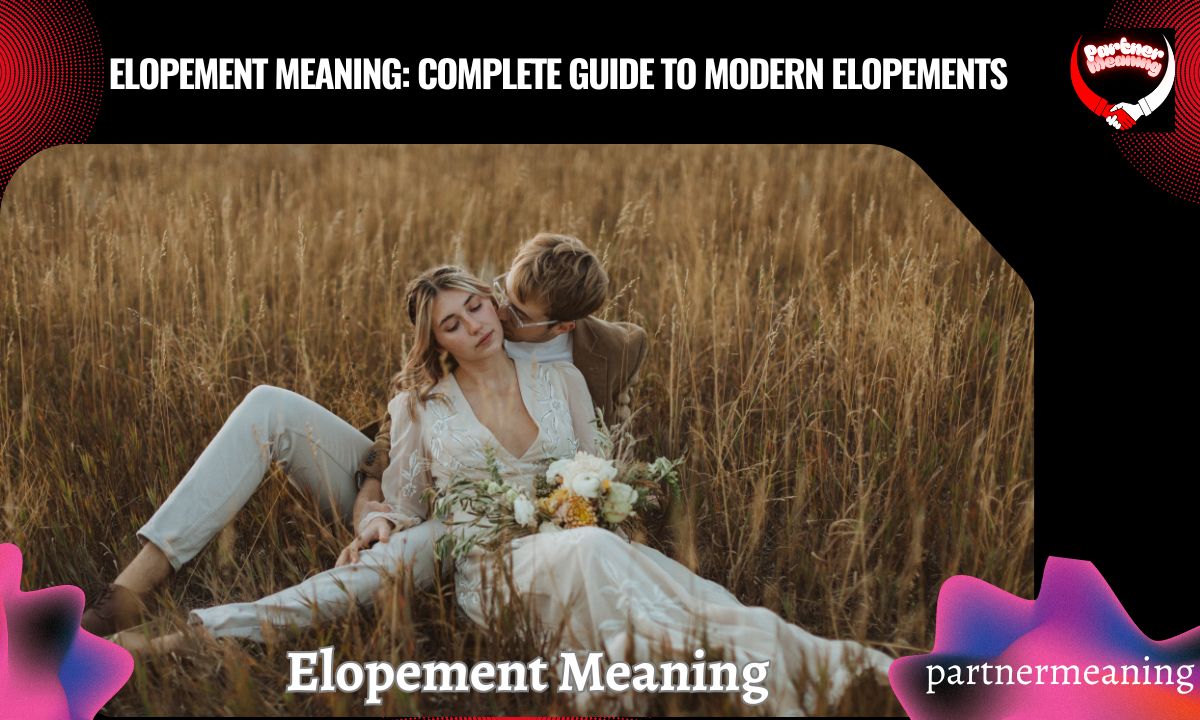
The word “elopement” once brought to mind secret dashes and rushed ceremonies, often due to family disapproval or necessity. That old, dramatic definition is now completely obsolete and misleading.
Today, eloping signifies a deliberate, intimate decision to customize your wedding day, prioritizing a meaningful adventure over large production and guest expectations. It is a powerful choice for couples who want their commitment to be the sole focus of a beautiful, stress-free celebration.
What Elopement Really Means in Today’s Wedding Culture
In today’s wedding culture, elopement has shed its old connotation of secrecy and shame. It now represents an empowered and intentional choice by couples. An elopement is fundamentally an intimate, small-scale wedding designed entirely around the couple’s personal desires and shared values.
Intimate Wedding Day: An elopement is an intimate wedding day designed intentionally to celebrate a couple’s commitment to one another.
Freedom of Choice: It means being intentional about how you spend your wedding day, granting the freedom to do whatever you decide, such as hiking a glacier or having a picnic.
Ditching Pressure: It allows couples to let go of the pressure, stress, and expectations often associated with large, traditional weddings, ensuring the day feels true to them.
This modern definition emphasizes the experience over the spectacle, focusing on adventure, authenticity, and emotional connection. It is about creating a meaningful, personalized memory rather than performing for a large audience.
How the Definition of Eloping Has Evolved Over Time
Historically, “to elope” meant a hurried, secretive marriage, often driven by a need to defy parental disapproval or avoid social judgment. This practice carried a sense of rebellion and was seen as a last-resort solution for star-crossed lovers.
The definition’s evolution stems from a modern shift away from rigid wedding traditions and high consumerism. Couples have actively reclaimed the word, transforming it from a scandalous act into a romantic, carefully planned choice that prioritizes joy and commitment over obligation.
Why More Couples Choose to Elope Instead of Having a Traditional Wedding
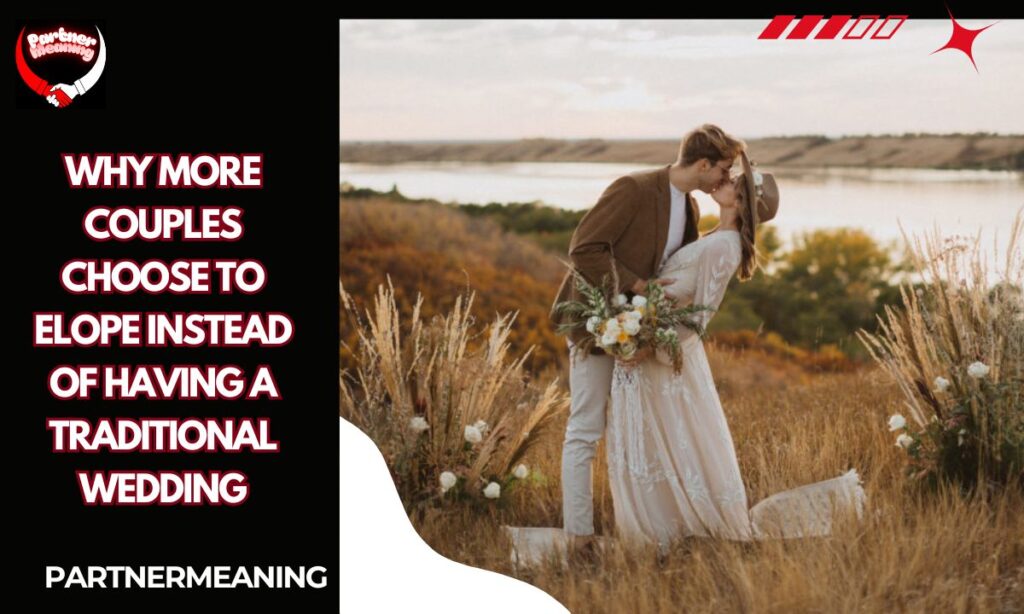
A primary motivation for choosing elopement is the desire to escape the overwhelming stress and complexity of planning a large event. Traditional weddings often become organizational feats that distract from the emotional significance of the day itself.
Furthermore, eloping grants couples complete control over their wedding day narrative and budget. It allows them to bypass the financial burden of large catering bills and venue rentals, enabling them to invest in quality experiences, travel, or their future together.
Key Differences Between Elopements and Conventional Weddings
The core difference lies in the scale and priority of the event. A conventional wedding is structured primarily to host, entertain, and accommodate a large number of guests. Its schedule is often dictated by venue and vendor logistics.
In contrast, an elopement is designed for maximum intimacy and flexibility, typically involving fewer than 10 people. The focus is placed entirely on the couple’s desires—allowing for multi-day celebrations, unique activities, and scenic, non-traditional locations.
| Feature | Elopement | Traditional Wedding |
| Guest Count | Usually 10 or fewer (up to 20 maximum). | Typically 150+ people. |
| Planning Focus | On the couple, the experience, and adventure. | On logistics, seating charts, favors, and guest experience. |
| Time to Plan | Can be done in less than 3 months, or planned thoughtfully over 3–12 months. | Often requires a year or more. |
| Stress Level | Significantly lower, focusing only on details important to the couple. | High, due to numerous variables and large guest list concerns. |
| Cost | Averages $3,000 – $15,000. Largest expenses are photography, travel, and accommodations. | Averages $30,000+. Largest expenses are venue and catering. |
| Adventure | Encourages spontaneity and unique activities (hiking, boating, etc.) not restricted by guest count. | Tends to be perfectly planned and stays on a set course. |
Emotional and Personal Benefits of an Intentional Elopement Day
An intentional elopement offers profound emotional benefits by guaranteeing a stress-free and fully present wedding day. Couples consistently report feeling deeply connected and joyful because they are free from the pressure of entertaining or worrying about the timeline.
This format fosters authenticity, allowing couples to express their vows and commitments in a truly personal, private, and vulnerable way. The result is a day that feels genuinely reflective of their relationship, forging an unforgettable shared memory.
Modern Misconceptions About Eloping and Why They Are Wrong
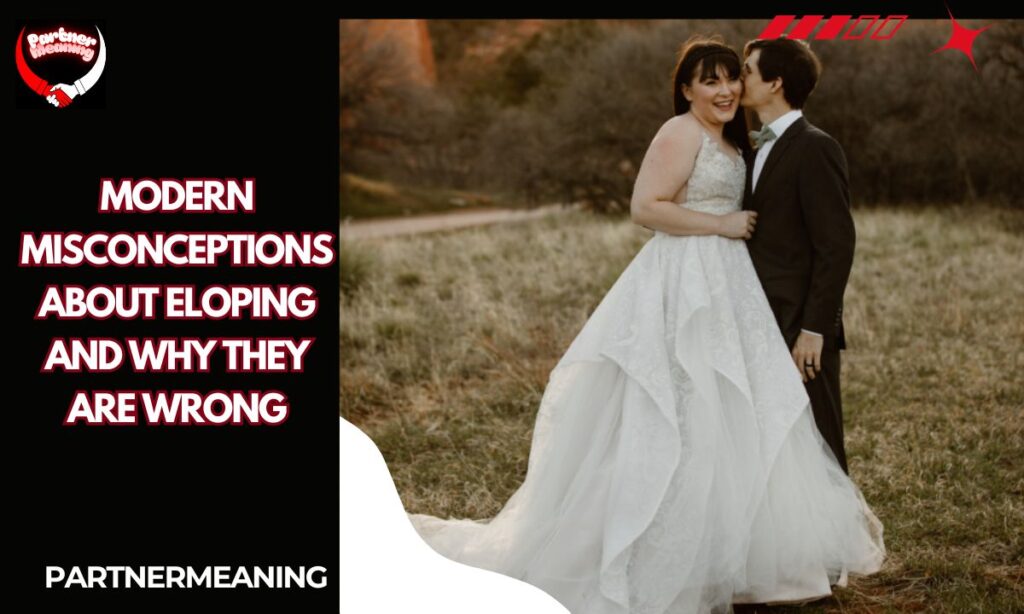
One common misconception is that elopements are simply “quick and cheap” ceremonies that lack effort. This is inaccurate; modern elopements are meticulously planned, full-day experiences that are highly intentional about every detail.
Another myth is that eloping is inherently selfish or requires total secrecy from loved ones. Most couples respectfully communicate their decision to family and find creative ways to include them, proving that the choice is about intimacy rather than exclusion.
10 Elopement Myths Busted
| Myth | Reality |
| 1. Must be at a courthouse or in Las Vegas. | False. You can elope wherever you want and include unique activities like hiking, kayaking, or hot air balloon rides. |
| 2. Elopements are for people who don’t care about their wedding. | False. Couples who elope often care more about having an intentional, slow-paced day focused on their commitment, not a production for others. |
| 3. They are just a cheap alternative. | False. While often less expensive, the motivation is prioritizing meaningful experiences and personal values over reducing investment. |
| 4. Elopements have to be secret. | False. This is an outdated definition. Couples are free to tell friends and family whenever they choose. |
| 5. Elopements don’t involve planning. | False. They still involve planning (usually 2 to 10 months), but it is typically much less stressful than a traditional wedding. |
| 6. You can’t have guests. | False. You can have guests, typically 10 or fewer. Microweddings allow up to 50. |
| 7. They are just quick vows and a few photos. | False. Most couples choose a full-day experience that includes activities, getting ready, vows, celebration, and more—treating it as the special, full-length wedding day it is. |
| 8. You can’t celebrate your elopement. | False. Couples can plan celebrations like a party, reception, or photo watch party after the elopement. |
| 9. Eloping is selfish. | Debatable. The author argues that all weddings involve a degree of “selfishness” (throwing a party for oneself), and couples deserve to have a day that is truly meaningful to them. |
| 10. No one will understand our decision. | False. More people than you think will understand and support the choice for a simpler, more focused day. Communication is key. |
Costs of an Elopement and What Couples Actually Spend
The overall cost of an elopement is significantly lower than a traditional wedding, providing substantial financial relief. While a conventional wedding averages over $30,000, elopements typically range from $3,000 to $15,000, depending heavily on the location and travel involved.
- Traditional Wedding: Major expenses are catering, venue rental, and decor for a large guest count.
- Elopement: Primary investments shift to high-quality photography, travel, lodging, and unique activity fees. This prioritizes lasting memories and experiences over one-time material goods.
How Guest Count Works and When an Elopement Becomes a Wedding
An elopement is generally defined by an extremely limited guest list, typically encompassing fewer than 10 people. This low count is what preserves the intimacy and adventure-focused nature of the day.
When the guest count approaches 20 to 50 people, the event begins to transition into what is called a “micro-wedding.” While still small, the logistics and focus start to shift back toward accommodating guests, differentiating it from a pure, intimate elopement experience.
Popular Locations and Venue Ideas for Modern Elopements
Modern elopements utilize the world as their venue, rejecting the confines of traditional halls or ballrooms. Popular locations are driven by dramatic scenery, offering couples unique, photographic backdrops.
Top ideas include:
- National Parks: Places like Yosemite, Zion, and Rocky Mountain National Park (requires special permits).
- International Destinations: Scenic spots in Iceland, the Italian Dolomites, or the Scottish Highlands.
- Unique Private Spots: Remote Airbnbs, mountain peaks, private beaches, or the couple’s own meaningful backyard.
How to Plan a Meaningful and Stress-Free Elopement Experience
To ensure an elopement is meaningful and low-stress, couples should first define their ideal experience and non-negotiable activities. The key is to book an elopement-specialist photographer early, as they often double as expert planners for location scouting and vendor recommendations.
The next steps involve securing the necessary legal documents, such as a marriage license and location permits. The focus should remain on crafting a full-day, flexible timeline that allows for authentic moments and adventure rather than rushing the ceremony.
Frequently Asked Questions
What does elopement mean today?
Today, elopement means an intentional, intimate, and often adventurous wedding experience with a very small guest count (typically under 10).
Is an elopement legally recognized as a wedding?
Yes, as long as the couple fulfills all local legal requirements, including obtaining a valid marriage license and following witness/officiant laws.
How many guests can you bring to an elopement?
While often just the couple, most modern elopements include fewer than 10 guests; the general maximum to maintain the definition is 20.
Is eloping cheaper than a full wedding?
Yes, eloping is significantly cheaper because it removes the high cost of venue rental, catering, and guest accommodation.
What makes an elopement different from a micro-wedding?
A micro-wedding usually hosts 20-50 guests and often keeps a traditional structure, while an elopement is defined by its small scale (under 20) and focus on adventure/experience.
Final words
The modern definition of elopement has fully broken free from its historical chains of secrecy and scandal. It now stands as an empowering and deliberate choice for couples prioritizing emotional depth and personal adventure over lavish performance. By choosing to elope, couples are actively investing in an authentic, stress-free experience that ensures their commitment remains the beautiful, central focus of their wedding day.

Hayyat is a passionate writer and researcher who loves exploring the beauty and depth of Arabic language and culture. With a special interest in Arabic names, Qur’anic words, and Islamic heritage, Hayyat aims to share meaningful insights with readers who appreciate names with purpose and history.