Looking to refresh your library’s image? A strong logo can shape how people see your space in seconds. The FLPMarkable style helps libraries create clean, modern identities that feel welcoming and memorable. This approach focuses on simple shapes, thoughtful typography, and flexible digital use. It’s a smart way to build a brand that works everywhere.
Many libraries are shifting toward designs that feel lighter and more adaptable. With FLPMarkable principles, you get a logo that stands out without feeling complicated. The goal is clarity, connection, and long-term use. When your symbol is clear, your community understands your purpose faster. This guide helps you explore how to build a remarkable library identity that stays relevant.
What Is Library Logos FLPMarkable?
FLPMarkable refers to a modern design approach used to create simple, flexible, and highly recognizable library logos. It focuses on clean shapes and typography that work well in digital and print spaces. This method removes visual noise and highlights clarity, identity, and purpose. Libraries use it to build strong brand recognition.
This style also improves how a library communicates its mission. A logo designed this way feels modern while staying meaningful. It adapts well to websites, apps, banners, and signage. The goal is a logo that tells a story without looking crowded. FLPMarkable helps libraries stay relevant in a fast-changing digital world.
Why Are FLPMarkable Styles Becoming Popular in Library Branding?
Libraries want clean visuals that match new digital expectations. FLPMarkable logos are easy to use across screens, print platforms, and social media. They maintain quality and readability at all sizes. This makes them ideal for modern branding and long-term use.
Key reasons include:
- Strong visibility on mobile apps and digital catalogs
- Easy scaling for posters, cards, and banners
- Modern look that attracts younger audiences
- Simplified shapes that communicate meaning quickly
- Works well with brand colors and typography systems
- Long-lasting style that avoids outdated trends
Key Features of FLPMarkable Library Logos
Clean and Minimal Design
A minimal design helps a library express its identity clearly. It removes clutter and leaves only the visual elements that matter. This creates a polished look that works for every audience. Clean logos also feel modern without looking overly technical or trendy.
Minimalism supports better readability. When a logo is simple, people recognize it in seconds. This is important for digital-first libraries that need instant impact. The reduced detail keeps the logo strong on small screens, making it ideal for mobile platforms and e-readers.
Flexible Digital Use
FLPMarkable designs work smoothly across digital environments. The shapes and lines stay sharp no matter where they appear. This helps libraries maintain consistent branding online. Digital flexibility also means fewer revisions and faster adoption.
Designers often test these logos in different digital mockups. They check how each element behaves on screens. A good FLPMarkable logo remains readable even when it shrinks to a favicon. This reliability is key for modern library tools like apps and online catalogs.
Modern Typography
Typography in FLPMarkable designs focuses on clean, readable fonts. Designers avoid overly decorative styles and pick balanced letterforms instead. This creates a smart, professional look that matches today’s design standards. The typography also supports the logo’s message without overpowering it.
Good font choices help build trust. A clear typeface makes a library feel approachable and organized. Modern typography blends easily with other brand elements. This makes it simple to create brochures, signs, and social content that all look consistent.
Symbolic Shapes
Symbolism plays a strong role in these logos. Designers use shapes like books, pages, knowledge icons, or open paths. Each symbol carries a deeper meaning about learning and access. The shapes stay simple but still deliver emotional connection.
These symbols help communicate values instantly. A viewer should understand the library’s purpose at a glance. Symbolic shapes also help a logo stand out from similar institutions. Smart symbolism makes the brand more memorable and easier to recognize.
High Memorability
Memorability is a core strength of FLPMarkable logos. The blend of simple geometry and clear type helps people remember the brand quickly. A strong memorable logo stays with users long after they see it. This builds trust and repeat engagement.
Well-crafted memorability also supports community recognition. A logo that sticks in the mind helps promote library programs and services. It becomes an identity marker for the entire community. This long-term recall strengthens the library’s presence.
Why Libraries Need FLPMarkable Logos
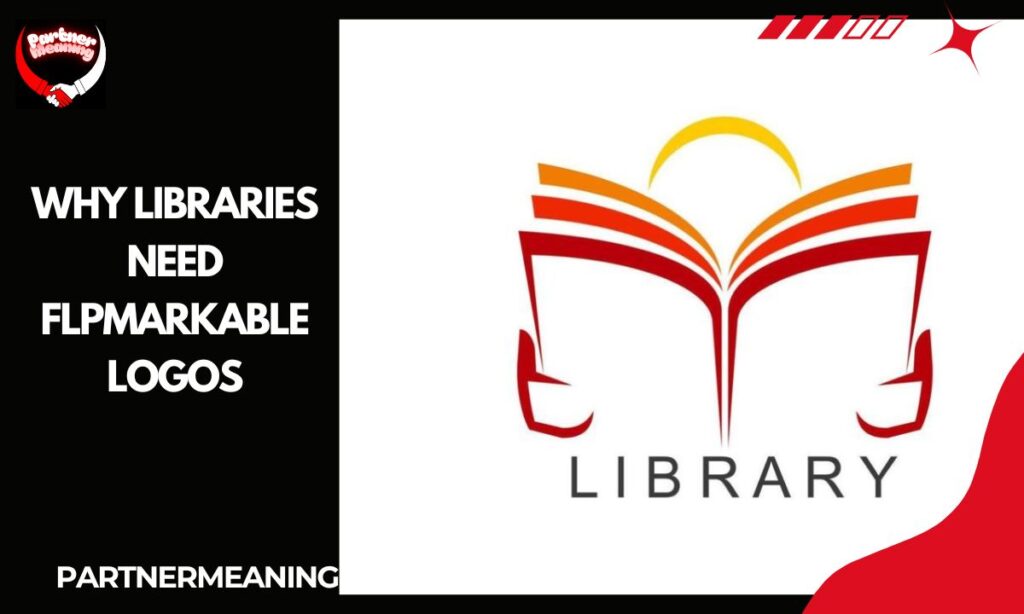
Libraries need logos that work in both physical and digital spaces. FLPMarkable designs meet this need by offering clean forms that adapt easily. As libraries expand online, branding must stay strong and consistent. A modern logo helps the institution feel current and reliable.
These logos also support outreach. When a logo feels friendly and clear, more people notice it. This is important for attracting new users and promoting learning programs. A strong visual identity shows that the library cares about accessibility and community engagement.
How Designers Use the FLPMarkable Approach
Designers begin by studying the library’s mission, services, and users. They identify what message the logo must express. Then they build shapes, fonts, and layouts that stay simple but meaningful. This creates a design rooted in purpose, not decoration.
Next, they test the logo across multiple platforms. They check size, clarity, contrast, and readability. The goal is to keep the design flexible. Once every test works well, designers refine the logo into a polished, scalable system. This ensures the brand stays strong everywhere.
Examples of FLPMarkable Library Logo Concepts
Here are some common styles seen in FLPMarkable library logo concepts:
- Open book symbol with clean lines
- Abstract page shapes forming a modern icon
- Lettermark-style initials using minimal typography
- Geometric shapes representing learning paths
- Digital-inspired icons for modern library services
Concept table:
| Logo Concept Type | Visual Style | Ideal Use |
| Minimal Book Icon | Thin clean lines | Physical and digital signage |
| Geometric Pages | Simple shapes | Modern apps and catalogs |
| Lettermark Logo | Strong initials | Branding merchandise |
| Knowledge Symbol | Abstract shapes | Educational programs |
These examples show how flexible the FLPMarkable system can be. Each concept adapts to many formats while keeping the identity clear and memorable.
Understanding the Concept Behind Library Logos FLPMarkable
FLPMarkable is a design approach focused on creating simple, clean, and meaningful library logos. It blends minimal shapes with modern typography to deliver strong visual clarity. The goal is to remove clutter and highlight only what matters. A logo built this way feels balanced and easy to recognize.
This method also supports long-term branding. Libraries use these designs because they age well and feel relevant across different platforms. The approach helps create a visual identity that reflects knowledge, access, and community. With FLPMarkable, libraries can express purpose through clear and modern visuals.
The Rise of Digital Library Logo Design
Libraries have moved heavily into digital spaces, which has changed branding needs. Logos must now look sharp on websites, apps, social feeds, and online catalogs. A design that only worked on printed signs is no longer enough. FLPMarkable fills this gap with clarity and digital flexibility.
This shift also demands scalable symbols that stay readable at tiny sizes. A digital logo must work as an app icon, social avatar, and navigation marker. Modern libraries want designs that adapt to every format. This has pushed FLPMarkable styles into mainstream branding.
Features That Make FLPMarkable Logos Stand Out
FLPMarkable logos are strong because they are clean, adaptable, and focused on meaning. They avoid visual noise and use elements that remain readable at all sizes.
Key features include:
- Minimal shapes that communicate clearly
- Clean lines for digital readability
- Balanced typography that enhances meaning
- Strong symbolic concepts rooted in library values
- Easy scaling across print and digital platforms
- High memorability due to simplicity and structure
Importance of Symbolic Shapes in Library Logos
Symbolic shapes help people understand a library’s purpose at a glance. Designers often use books, pages, paths, and light-based symbols. These elements carry emotional meaning and create instant recognition. A strong symbol also sets the tone for the library’s mission. Symbols help connect the visual identity to learning and curiosity.
Simple shapes work better because they are easier to remember. Complex illustrations get lost in small spaces and feel outdated. FLPMarkable uses symbolism that is stripped to its essentials. The result is a shape that feels timeless and stays strong across all formats. This makes symbolic design a key part of library branding.
Typography Choices for Modern Library Branding
Typography is central to FLPMarkable design because it influences how a library feels. Designers choose fonts that are readable, clean, and well-balanced. Modern typography helps libraries appear professional and accessible. The right font supports the logo symbol without overpowering it. Good typography builds trust and clarity across all library materials.
Serif vs Sans-Serif for Library Logos
Serif fonts create a traditional and scholarly feeling. They work well for libraries that want to highlight heritage or academic roots. These fonts help communicate authority and history. However, they can feel heavy in small digital displays.
Sans-serif fonts create a modern and approachable tone. They work well for libraries focused on digital tools, innovation, and youth audiences. These fonts stay sharp across screens and small icons. Many FLPMarkable logos use sans-serif styles because they offer long-term versatility.
How Flexibility Enhances Library Logo Performance
A flexible logo performs well in every environment. FLPMarkable designs prioritize shapes that scale cleanly from large banners to tiny favicons. Flexibility keeps the brand strong no matter where it appears. This is essential for modern libraries with digital-first services.
Flexibility also helps with promotional materials. A single clean design works on cards, posters, websites, and social platforms. Libraries save time and resources because one logo fits everywhere. A flexible identity ensures that the brand stays consistent across all mediums.
Case Studies of Memorable FLPMarkable Logos
Some libraries have adopted simple, symbolic logos that stand out. These designs use clean lines and modern typography. They tell a story without relying on detailed illustrations. This keeps the brand fresh and easy to recognize. A memorable logo builds long-term trust with the community.
Another example is the rise of digital library apps. They use icons shaped like books, bookmarks, or abstract knowledge symbols. These designs work well in small spaces and still look smooth in larger formats. Their memorability comes from clarity, balance, and reduced detail.
Creating a Cohesive Library Identity System
A library identity system includes the logo, colors, fonts, and layout rules. FLPMarkable helps unify these elements into one strong visual language. A cohesive system creates consistency in every interaction. This helps the library look organized and professional.
The system also guides designers and staff when creating new materials. With set rules, the brand stays clear no matter who works on it. This improves outreach, trust, and recognition across the community. A unified identity turns the logo into a complete brand experience.
Frequently Asked Questions
How to make a library logo?
Use simple shapes, modern typography, and a strong symbolic concept.
How much does a lettermark logo cost?
Prices can range from low-cost templates to higher custom design fees.
Which icon library is best for logo design?
Choose one with clean, scalable, and vector-based icons.
What is the universal library symbol?
The open book is the most recognized universal library symbol.
Conclusion
FLPMarkable gives libraries a clear path to modern branding. The approach blends simplicity with symbolic meaning to create strong identities. These logos work well across digital and print spaces. A thoughtful design helps libraries connect with their communities. A strong FLPMarkable logo builds trust, improves recognition, and supports long-term growth.

Hayyat is a passionate writer and researcher who loves exploring the beauty and depth of Arabic language and culture. With a special interest in Arabic names, Qur’anic words, and Islamic heritage, Hayyat aims to share meaningful insights with readers who appreciate names with purpose and history.